
Fiddle Leaf Fig Care: The Ultimate Guide to a Thriving Indoor Tree
Learn how to care for your fiddle leaf fig (Ficus lyrata) with confidence. From watering and lighting to pruning and troubleshooting, this guide covers everything you need to keep your plant lush, healthy, and growing tall.
Shop Essential SuppliesWhy this guide matters: The fiddle leaf fig is one of the most popular—and notoriously finicky—houseplants. With the right knowledge, you can avoid common pitfalls and enjoy a stunning, statement-making indoor tree that transforms your space.
Understanding Your Fiddle Leaf Fig
🌿 What is a Fiddle Leaf Fig?
The fiddle leaf fig (Ficus lyrata) is a tropical plant native to West Africa. It's beloved for its large, violin-shaped leaves that can grow up to 18 inches long. In its natural habitat, it can reach heights of 40–50 feet, but as an indoor plant, it typically grows 6–10 feet tall with proper care.
Its dramatic foliage makes it a favorite for interior designers and plant enthusiasts alike. However, it requires consistent care to thrive indoors.
🏡 Why Choose a Fiddle Leaf Fig?
- Statement piece: Its large, glossy leaves add instant drama and elegance to any room.
- Air purifying: Like many houseplants, it helps improve indoor air quality.
- Long-lasting: With proper care, it can live for decades, becoming a cherished part of your home.
- Versatile: Fits well in modern, bohemian, and classic decor styles.
Whether you're a beginner or an experienced plant parent, the fiddle leaf fig is a rewarding challenge.
Essential Fiddle Leaf Fig Care
💧 Watering
Watering is the most critical aspect of fiddle leaf fig care. Overwatering is the #1 cause of death. Here's how to get it right:
- Check the soil: Stick your finger 2–3 inches into the soil. If it feels dry, it's time to water. If it's still moist, wait a few days.
- Water thoroughly: Water until it drains from the bottom, then empty the saucer to prevent root rot.
- Frequency: Typically once every 7–10 days, but this depends on light, temperature, and humidity.
- Use filtered water: Tap water with high chlorine or fluoride can cause leaf burn. Let it sit overnight or use a filter.
Pro tip: Consider using a drip irrigation system for consistent moisture if you're away often.
☀️ Light Requirements
Fiddle leaf figs thrive in bright, indirect light. They can tolerate some morning sun, but harsh afternoon rays will scorch their leaves.
- Ideal spot: Near an east- or south-facing window with a sheer curtain.
- Low light: While they can survive in medium light, they won't grow as vigorously. Rotate the plant every few weeks for even growth.
- Signs of too much light: Brown patches or crispy edges.
- Signs of too little light: Small new leaves, slow growth, or leaf drop.
For more light-sensitive plants, explore our low-light indoor plants guide.
🌱 Soil & Potting
Well-draining soil is non-negotiable. Use a high-quality potting mix designed for indoor plants, or create your own mix:
- Recipe: 2 parts peat-based potting soil, 1 part perlite, 1 part orchid bark.
- Pot: Choose a pot with drainage holes. Terracotta or ceramic pots are excellent choices.
- Repotting: Repot every 1–2 years in spring. Increase pot size by 2–4 inches.
Proper soil and drainage are key to preventing root rot—a common issue with fiddle leaf figs.
🌡️ Temperature & Humidity
Fiddle leaf figs are tropical plants and prefer warm, humid conditions.
- Temperature: Keep between 65°F and 75°F (18°C–24°C). Avoid drafts, heaters, and air conditioning vents.
- Humidity: Aim for 40%–60% humidity. Use a humidifier, mist the leaves, or place a tray of water near the plant.
- Seasonal adjustments: Reduce watering in winter when growth slows.
If you're looking for other humidity-loving plants, check out our fern care guide.
Pruning, Shaping & Maintenance
✂️ Pruning for Health & Shape
Pruning encourages bushier growth and removes damaged leaves. Follow these steps:
- When: Prune in spring or early summer during active growth.
- How: Use clean, sharp shears. Cut just above a leaf node at a 45° angle.
- What to prune: Remove dead, yellowing, or damaged leaves. Also trim leggy stems to promote branching.
- Shaping: You can prune the top to control height. New branches will emerge below the cut.
For more pruning techniques, see our pruning tips page.
🧹 Cleaning & Leaf Care
Clean leaves allow for better photosynthesis and pest prevention.
- Dusting: Wipe leaves with a damp, soft cloth every 2–4 weeks.
- Leaf shine: Use a diluted neem oil or commercial leaf shine solution. Avoid olive oil or milk, which can clog pores.
- Inspect: Regularly check for pests like spider mites, mealybugs, and scale.
Keeping your plant clean also makes it more resilient. Learn about natural pest control methods to keep your fiddle leaf fig safe.
Common Problems & Solutions
🍂 Brown Spots & Edges
Brown spots can be confusing. Here's how to diagnose:
- Dry, crispy edges: Usually from low humidity or underwatering. Increase humidity and water consistently.
- Soft, dark brown spots: Often a sign of overwatering or root rot. Check soil moisture and drainage.
- Brown spots with yellow halos: Could indicate a bacterial or fungal infection. Remove affected leaves and treat with fungicide.
If you're struggling with multiple plants, our composting guide can help improve soil health.
🍃 Leaf Drop
Leaf drop is a stress response. Common triggers include:
- Sudden environment changes: Moving the plant, drafts, or temperature fluctuations.
- Overwatering/Underwatering: Inconsistent moisture stresses the plant.
- Pests: Check undersides of leaves for signs of infestation.
- Under-fertilizing: Nutrient deficiency can also cause leaf drop.
For robust growth, use a balanced fertilizer during the growing season. See our best fertilizer guide for recommendations.
How to Propagate Fiddle Leaf Figs
🌱 Propagation Methods
Propagating a fiddle leaf fig is a rewarding way to expand your collection or share with friends. The most reliable method is stem cuttings in water.
- Step 1: Take a 6–12 inch cutting with 2–3 nodes and leaves. Use sterilized shears.
- Step 2: Place the cutting in a glass jar with room-temperature water. Ensure at least one node is submerged.
- Step 3: Change the water every 2–3 days. Place in bright, indirect light.
- Step 4: Roots typically appear in 3–6 weeks. Once roots are 2–3 inches long, pot in well-draining soil.
- Alternative: You can also root directly in soil using rooting hormone, but water propagation allows you to monitor root development.
If you enjoy propagating plants, you might also like our guides on plant propagation techniques.
What to Look For When Buying a Fiddle Leaf Fig
🛒 Choosing a Healthy Plant
Whether you're buying online or at a nursery, here's what to check:
- Leaves: Look for vibrant, green leaves without brown spots, holes, or yellowing.
- Stems: Sturdy and not leaning excessively. Avoid plants with weak or damaged stems.
- Roots: If possible, check the root system. Healthy roots are white or light tan, not dark or mushy.
- Pests: Inspect the underside of leaves and along stems for any signs of pests.
- Size: Consider the space in your home. Small 2–3 ft plants are great for tabletops, while 5–6 ft plants make a bold floor statement.
Once you bring your plant home, gradually acclimate it to its new environment to minimize stress. Avoid placing it near cold drafts or heat sources.
Fiddle Leaf Fig Care Essentials
⚠️ AFFILIATE DISCLOSURE: This website contains affiliate links. As an Amazon Associate, we earn from qualifying purchases. If you make a purchase through these links, we may receive a small commission at no additional cost to you. Read our full affiliate policy.

Costa Farms Fiddle Leaf Fig, Live Indoor Plant, Floor Plant, Statement Tree | On-trend indoor tree with large violin-shaped leaves. Ideal housewarming or birthday gift. About 1 ft tall.
Check price on Amazon
Realead 6ft Fiddle Leaf Fig Tree Artificial with Tall Exquisite Planter | Faux Fiddle Leaf Fig Tree, Natural Trunk, Lifelike Leaves - Fake Fig Tree for Home Living Room Bedroom Offices Indoor Decor
Check price on Amazon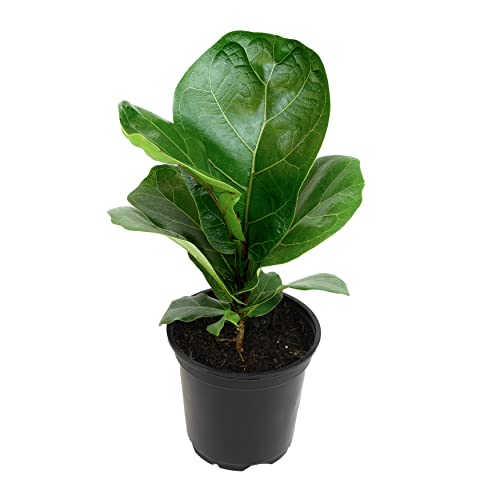
Plants for Pets Ficus Lyrata Fiddle Leaf Fig Plant, House Plants Indoors Live Ficus Tree Live Plant, Fig Trees Live Plants Indoor Plants Live Houseplants Fig Plants Live in Planter Pot in Soil Mix
Check price on Amazon
Costa Farms Fiddle Leaf Fig Tree, Live Indoor Plant, Large, 3-4 Ft. Tall | On-trend indoor tree with large violin-shaped leaves. Great indoor houseplant. Ideal housewarming or birthday gift.
Check price on Amazon
Fiddle Leaf Fig Fertilizer, Liquid Plant Food for Bigger Leaves, 8oz | Encourages New Growth, Kelp-Enriched Formula, Reduces Yellowing & Leaf Drop, Gentle Feeding Formula, Supports Healthy Foliage
Check price on Amazon
Fiddle Leaf Fig Plant Food, 3-1-2 NPK Liquid Fertilizer for Ficus, 8 oz
Check price on Amazon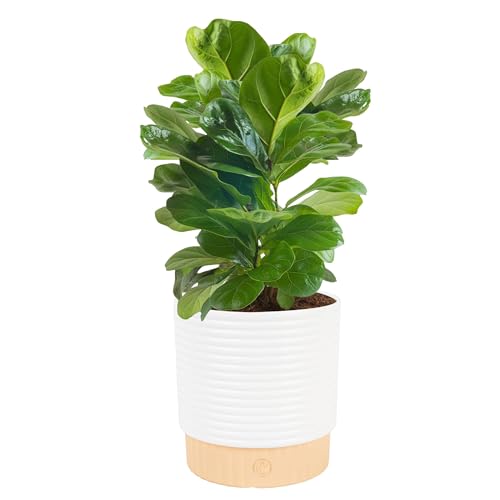
Costa Farms Fiddle Leaf Fig, Live Indoor Plant, Ficus Lyrata, 6-in Pot | On-trend indoor houseplant with large violin leaves. Compact 12 in. height in decorative planter
Check price on Amazon
Costa Farms Fiddle Leaf Fig, Live Indoor Plant, Floor Plant, Statement Tree | On-trend indoor tree with large violin-shaped leaves. Great indoor houseplant. Ideal housewarming or birthday gift.
Check price on AmazonReady to Grow Your Fiddle Leaf Fig?
With the right care, your fiddle leaf fig will reward you with stunning, oversized leaves that become the centerpiece of your indoor garden. Remember: bright indirect light, consistent watering, and regular cleaning are the secrets to success.
If you're looking to expand your plant family, explore our collection of low-light indoor plants or learn about pet-friendly plants for a safe, lush home.
Shop Fiddle Leaf Fig Supplies