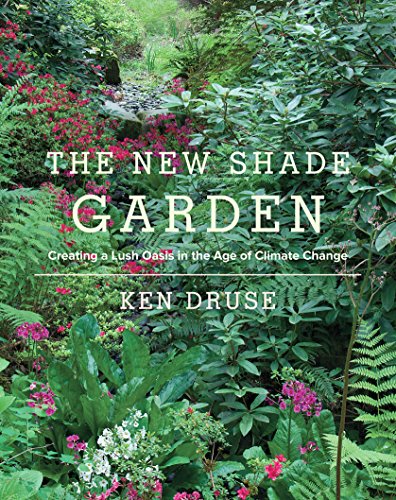
Landscaping Ideas for Shade: Create a Lush, Vibrant Garden
Expert tips on shade garden design, plant selection, hardscaping, and lighting to turn your dark areas into a stunning outdoor retreat.
Shop Recommended SuppliesLandscaping a shady yard can be challenging, but it's also an opportunity to create a cool, tranquil oasis. With the right design and plant choices, shade can be an asset rather than a liability. This comprehensive guide covers everything you need to know about landscaping ideas for shade, from choosing the best plants to integrating hardscaping and lighting.
💡 Did you know? Many of the most beautiful and low-maintenance plants thrive in shade, including hostas, ferns, and astilbe. With the right approach, your shady garden can be the most relaxing and visually stunning part of your property.
Understanding Your Shade
Before you start planting, assess the type of shade your yard receives:
- Full shade: Less than 3 hours of direct sunlight per day (often under dense trees or on the north side of buildings).
- Partial shade: 3–6 hours of filtered sunlight, often dappled or morning sun with afternoon shade.
- Light shade: Open shade with bright, indirect light for most of the day.
Understanding your shade type is crucial for selecting the right plants. For more on this, see our shade garden design ideas.
Best Plants for Shady Landscapes
Shade gardens can be incredibly diverse. Here are top performers that bring color and texture to low-light areas:
- Hostas: Classic shade perennials with stunning foliage in shades of green, blue, and variegated patterns. Learn more about hostas.
- Ferns: Elegant and airy, ferns add texture and movement. Try Japanese painted fern or autumn fern.
- Coral Bells (Heuchera): Fabulous foliage plants with vibrant colors—purple, lime, bronze—perfect for shade. Check our coral bells guide.
- Astilbe: Brings plumes of pink, red, or white flowers to the shade garden. Learn more about astilbe care.
- Bleeding Heart: Romantic, heart-shaped flowers that bloom in spring. See our bleeding heart guide.
- Rhododendrons & Azaleas: Acid-loving shrubs with spectacular spring blooms. Explore rhododendrons and azaleas.
- Ground Covers: Creeping phlox, liriope, and sweet woodruff are excellent for filling in bare spots. Consider creeping phlox and liriope.
For a full list of shade-tolerant plants, visit our shade plants for wildlife guide.
Hardscaping Ideas for Shade
Hardscaping adds structure and functionality to a shade garden. Consider these elements:
- Paths and Walkways: Natural stone, gravel, or stepping stones create a sense of journey through the garden.
- Patios and Seating Areas: A shaded patio can be a cool retreat during hot summer months. Use light-colored stone or pavers to brighten the space.
- Retaining Walls: Great for terraced gardens on slopes. Check our retaining wall ideas.
- Water Features: The sound of water adds tranquility. Ponds, fountains, or birdbaths are perfect for shade. Explore water features.
- Mulch and Groundcover: Dark mulch can absorb light, while lighter gravel or stone can brighten the area.
Lighting for Shade Gardens
Thoughtful lighting can transform a shady garden into an enchanting evening space:
- Path Lights: Guide visitors safely and add ambiance. See our path lights guide.
- String Lights: Create a magical atmosphere. Check out string lights ideas.
- Spotlights: Highlight key features like trees, statues, or water elements. Learn more about outdoor spotlights.
- Solar Lights: Eco-friendly and easy to install, but ensure they receive enough daylight to charge.
Deer and Rabbit Resistant Shade Plants
If wildlife is a concern, choose plants that are less appealing to deer and rabbits. Many shade plants are naturally resistant:
- Ferns (most are deer-resistant).
- Bleeding Heart (toxic to animals, so they avoid it).
- Astilbe (rarely bothered).
- Coral Bells (resistant due to tough leaves).
- Liriope (grass-like, not favored).
For more options, see our list of plants that deer and rabbits don't eat.
Shade Garden Design Tips
Creating a cohesive shade garden involves thoughtful planning:
- Layering: Use tall shrubs, mid-sized perennials, and low ground covers for depth.
- Foliage Contrast: Mix leaf shapes (broad, ferny, grassy) and colors (green, purple, lime, silver) for visual interest.
- Bloom Time: Choose plants that flower in early spring, summer, and fall for season-long color.
- Texture: Combine smooth, glossy leaves with fuzzy or ruffled ones.
For more inspiration, explore our shade garden design guide.
🌟 Pro Tip: Shade gardens are perfect for creating a peaceful retreat. Add a bench, a small table, and some soft cushions to enjoy the serenity. Consider outdoor furniture covers to protect your investment.
Final Thoughts
With the right plants, hardscaping, and design, a shady yard can become the most enchanting part of your landscape. Embrace the coolness and tranquility that shade offers. Whether you're starting from scratch or refreshing an existing garden, these landscaping ideas for shade will help you create a lush, inviting outdoor space.
Ready to transform your shade garden? Check out the recommended tools and supplies below to get started.