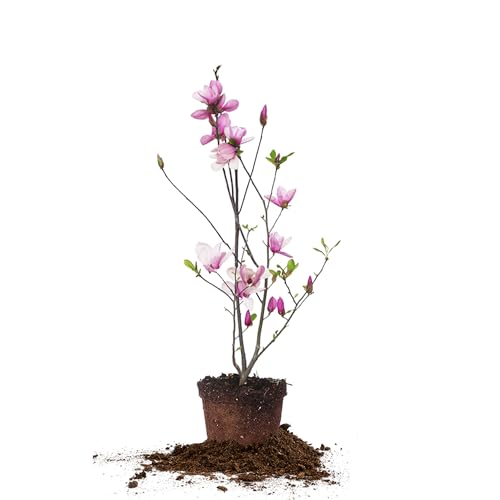
Magnolia Tree: The Complete Planting, Care & Growing Guide
Discover how to grow one of the most breathtaking flowering trees in the world. From choosing the right variety to mastering soil, watering, and pruning, this guide gives you everything you need to enjoy magnificent magnolia blooms year after year.
EXPLORE MAGNOLIA VARIETIESWhy Grow a Magnolia Tree? Magnolias are among the oldest flowering plants on Earth, prized for their dramatic, often fragrant blossoms that appear in spring or summer. Whether you choose a compact star magnolia for a small yard or a stately southern magnolia for a grand landscape, these trees reward gardeners with decades of beauty. This guide walks you through every step — from selecting the ideal species to long-term maintenance — so you can grow a magnolia with confidence.
Choosing the Right Magnolia Variety
Magnolias come in a wide range of sizes, bloom colors, and growing requirements. Understanding the main types helps you pick the one that fits your climate, space, and design goals. Below is a comparison of the most popular magnolia varieties for home landscapes.
| Variety | Bloom Color | Bloom Time | Mature Size | Best For |
|---|---|---|---|---|
| Star Magnolia (M. stellata) | White to pale pink | Early spring | Compact (10–20 ft) | Small yards, patios |
| Southern Magnolia (M. grandiflora) | Creamy white | Late spring–summer | Large (60–80 ft) | Grand landscapes, shade |
| Saucer Magnolia (M. × soulangeana) | Pink, white, purple | Mid-spring | Medium (20–30 ft) | Focal points, borders |
| Jane Magnolia (M. liliflora 'Jane') | Deep pink-purple | Late spring | Compact (10–15 ft) | Small gardens, containers |
| Sweetbay Magnolia (M. virginiana) | White, lemon-scented | Late spring–summer | Medium (10–35 ft) | Wet areas, native gardens |
When choosing a magnolia, consider your U.S.D.A. growing zone, available space, and whether you prefer evergreen or deciduous foliage. Evergreen types like the southern magnolia provide year-round structure, while deciduous varieties such as the star magnolia offer spectacular spring displays and often fit more easily into mixed borders. Pair your magnolia with complementary ornamental trees to build a layered, visually rich landscape.
How to Plant a Magnolia Tree
Proper planting is the single most important step for long-term health. Magnolias have shallow, fleshy roots that are sensitive to disturbance, so timing and technique matter.
When to Plant
The ideal time to plant a magnolia is in early spring or early fall, when the soil is warm but the air is cool. Avoid planting during midsummer heat or freezing winter conditions. Container-grown trees can be planted almost any time the ground is workable, but spring and fall remain the safest windows.
Site Selection
Choose a location with well-drained soil and adequate sunlight. Most magnolias prefer full sun to partial shade, though some understory species appreciate protection from intense afternoon heat. Shelter from strong winds helps prevent damage to large, tender blossoms.
Soil Preparation
Magnolias thrive in slightly acidic, loamy soil rich in organic matter. Amend heavy clay with compost to improve drainage, and avoid planting in waterlogged areas. A layer of mulch helps retain moisture and keeps roots cool, but keep it a few inches away from the trunk.
Planting Steps
- Dig a hole twice as wide as the root ball but no deeper than its height.
- Gently loosen the root ball and place the tree so the top of the root ball sits level with the surrounding soil.
- Backfill with native soil, firming gently to remove air pockets.
- Water deeply and apply a 2–3 inch layer of organic mulch.
Magnolia Tree Care: Watering, Feeding & Pruning
Once established, magnolias are relatively low-maintenance, but young trees need consistent care during their first few years. Follow these guidelines to keep your tree healthy and blooming beautifully.
Watering
Newly planted magnolias need regular, deep watering — about once a week during dry spells. Once established, most varieties tolerate moderate drought but perform best with consistent moisture. Avoid soggy soil, which can cause root rot. During hot summers, a slow, deep soak is more effective than frequent shallow watering.
Fertilizing
Apply a slow-release, balanced fertilizer in early spring before new growth begins. Avoid high-nitrogen formulas, which can encourage excessive foliage at the expense of blooms. If your soil is naturally rich, fertilization may only be needed every few years.
Pruning
Magnolias generally need minimal pruning. Remove dead, damaged, or crossed branches in late winter or immediately after blooming. Avoid heavy pruning, as magnolias heal slowly and may produce unsightly water sprouts. For more guidance, see our general pruning tips.
Pest & Disease Watch
Magnolias are largely pest-resistant, though scale insects and aphids can occasionally appear. Fungal issues like leaf spot are usually cosmetic. Practice good air circulation and avoid overhead watering to reduce problems. For a chemical-free approach, explore our organic pest control strategies.
Landscaping with Magnolia Trees
Magnolias are versatile design elements. A single specimen tree can serve as a stunning focal point in a front yard, while smaller varieties work beautifully in mixed borders or as understory plantings. Their large, glossy leaves and dramatic flowers pair well with low-maintenance evergreen shrubs and perennial flowers that bloom all summer, creating a sequence of seasonal interest.
For small spaces, compact magnolias like the Jane magnolia fit comfortably into low-maintenance landscaping plans without overwhelming the area. If you are designing a front yard, consider combining a magnolia with rock and mulch landscaping for a clean, modern look that requires minimal upkeep.
Magnolias also work well in native and wildlife-friendly gardens. Their early blooms provide nectar for pollinators when little else is flowering, and their dense canopies offer shelter for birds. Pair them with perennial flowers that attract butterflies and hummingbirds to create a vibrant, living landscape.
Common Magnolia Problems & Solutions
Yellowing Leaves
Often a sign of poor drainage or alkaline soil. Magnolias prefer slightly acidic conditions; if your soil is too alkaline, add organic matter and consider a soil test. Ensure the planting site drains well, especially during wet seasons.
Few or No Blooms
Insufficient sunlight, excessive nitrogen fertilizer, or late frosts can reduce flowering. Ensure your tree receives at least six hours of sun and avoid over-fertilizing. Some varieties naturally bloom sparsely when young.
Frost Damage
Early-blooming magnolias can lose blossoms to late frosts. Choose late-blooming varieties or plant in a sheltered spot to reduce risk. Damaged foliage usually recovers as the season warms.
Root Disturbance
Magnolia roots are shallow and sensitive. Avoid digging or cultivating beneath the canopy. Mulching helps protect surface roots and conserves moisture, keeping your tree stress-free.
Frequently Asked Questions About Magnolia Trees
How fast do magnolia trees grow?
Growth rates vary by variety. Most magnolias grow slowly to moderately, adding roughly 1–2 feet per year. Compact varieties tend to grow more slowly, while southern magnolias can eventually reach impressive heights over many decades.
Do magnolias need full sun?
Most magnolias perform best in full sun to partial shade. Adequate sunlight encourages abundant blooms and dense growth. In very hot climates, a little afternoon shade can protect foliage and flowers from scorching.
Can I grow a magnolia in a container?
Yes, compact varieties like the Jane magnolia and star magnolia can be grown in large containers for several years. Use a well-draining, slightly acidic potting mix and water consistently. Container-grown magnolias may eventually need to be planted in the ground as they outgrow their space.
When is the best time to prune a magnolia tree?
Prune lightly in late winter or immediately after flowering. Avoid heavy pruning, as magnolias heal slowly. Remove only dead, damaged, or crossing branches to maintain shape and health.
Are magnolia trees messy?
Evergreen magnolias drop large leathery leaves year-round, and all magnolias shed spent petals after blooming. These are natural characteristics, not signs of disease. Regular raking and mulching keep the area tidy.
Related Gardening Guides
Ready to Bring a Magnolia Tree into Your Garden?
Explore our recommended gardening tools and supplies below to give your magnolia the best possible start. From quality pruners to soil amendments, the right equipment makes every planting season easier.
VIEW RECOMMENDED TOOLS