Perennial Ground Cover Plants for Full Sun & Low Maintenance
Transform bare patches, slopes, and problem areas into a lush, living carpet with perennial ground covers that thrive in full sun and demand very little from you. Discover the best varieties, planting strategies, and expert care tips.
Explore Top VarietiesWhy ground covers matter: A well-chosen perennial ground cover does more than fill empty space. It suppresses weeds, reduces erosion on slopes, conserves soil moisture, and unifies your landscape design. When you choose full-sun, low-maintenance species, you get all these benefits without endless watering, fertilizing, or replanting each season. This guide walks you through the most reliable options, how to compare them, and exactly how to get them established so they flourish for years.
What Makes a Great Full-Sun, Low-Maintenance Ground Cover?
Not every perennial is suited to carpeting the ground. The best ground covers share a handful of traits: they spread aggressively enough to fill gaps but not so aggressively that they become invasive; they tolerate heat and direct sun without scorching; and they need minimal intervention after establishment. When evaluating a candidate, look for these characteristics:
- Drought tolerance: Once rooted, the plant should survive on rainfall alone in most climates, needing supplemental water only during extended dry spells.
- Dense growth habit: A thick canopy blocks sunlight from reaching weed seeds, dramatically reducing weeding chores.
- Self-spreading or clump-forming: Spreading types fill bare soil quickly; clump-forming types suit borders and controlled areas.
- Pest and disease resistance: Low-maintenance means low intervention — choose species rarely troubled by insects or fungal issues.
- Year-round interest: Evergreen foliage or attractive seasonal blooms keep the area looking intentional even in dormancy.
If you are still shaping your broader planting plan, our guide to low-maintenance plants that come back every year pairs perfectly with the ground cover choices below, and our overview of low-maintenance landscaping helps you tie everything together.
Top Perennial Ground Cover Plants for Full Sun
The following varieties have earned their reputation through decades of reliable performance in sunny beds, borders, slopes, and walkway edges. Each entry includes its growth habit, sun and water needs, and a quality-tier descriptor so you can match the plant to your project's ambition.
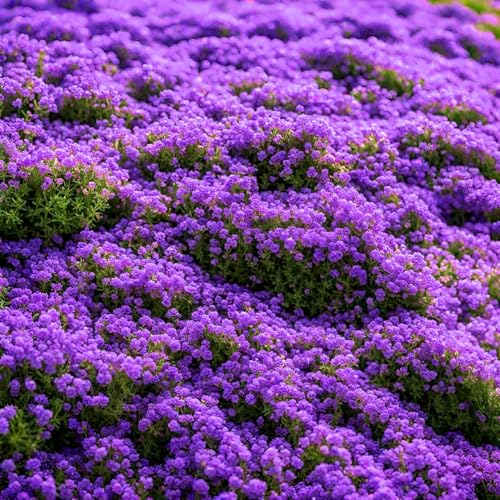
Creeping Thyme (Thymus serpyllum)
A fragrant, mat-forming herb that tolerates poor soil and drought beautifully. It releases a pleasant scent when walked on and produces tiny purple flowers in early summer.
Sun: Full sun | Water: Very low | Height: 2–4 in
Sedum (Stonecrop)
Succulent leaves store water, making sedum nearly indestructible in hot, dry spots. Varieties range from low carpets to mounding forms with late-season flowers that attract pollinators.
Sun: Full sun | Water: Very low | Height: 3–18 in
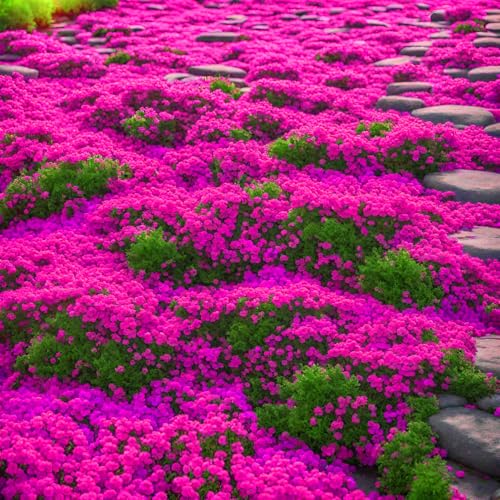
Creeping Phlox (Phlox subulata)
Spring carpets of pink, purple, or white flowers smother the foliage for weeks. Evergreen needle-like leaves provide winter interest in mild climates.
Sun: Full sun | Water: Low | Height: 4–6 in
Ice Plant (Delosperma)
Glossy, fleshy leaves and brilliant daisy-like flowers in vivid shades make this a showstopper. Extremely heat- and drought-tolerant once established.
Sun: Full sun | Water: Very low | Height: 3–6 in
Lamb's Ear (Stachys byzantina)
Velvety silver foliage forms a dense, weed-suppressing mat. Its soft texture contrasts beautifully with finer-leaved plants, and it tolerates heat and poor soil.
Sun: Full sun | Water: Low | Height: 6–12 in
Bearberry (Arctostaphylos uva-ursi)
An evergreen, trailing shrub with glossy leaves and red berries. Superb for slopes and erosion control, it tolerates poor, sandy soil and harsh sun.
Sun: Full sun | Water: Low | Height: 6–12 in
Dwarf Mondo Grass (Ophiopogon japonicus)
Grass-like evergreen tufts create a tidy, uniform carpet. Though it tolerates some shade, it performs well in sun with consistent moisture and offers a refined, manicured look.
Sun: Full sun to part shade | Water: Moderate | Height: 2–4 in
Creeping Juniper (Juniperus horizontalis)
A woody evergreen spreader that knits slopes together with tough, trailing branches. Its blue-green foliage provides year-round structure and shrugs off heat and drought.
Sun: Full sun | Water: Very low | Height: 6–18 in
Many of these pair well with flowering companions. If you want seasonal color layered on top of your ground cover, browse our list of low-maintenance perennial flowers that bloom all summer and outdoor perennial plants that like direct sunlight.
Side-by-Side Comparison
Use this table to quickly match a plant to your site conditions. Remember that "low" water means occasional deep watering during establishment, then rainfall-only in most climates.
| Plant | Spacing | Water Needs | Soil Tolerance | Best Use |
|---|---|---|---|---|
| Creeping Thyme | 8–12 in | Very low | Poor, sandy | Pathways, between stones |
| Sedum | 12–18 in | Very low | Poor to average | Hot slopes, rock gardens |
| Creeping Phlox | 12–18 in | Low | Well-drained | Spring color, borders |
| Ice Plant | 12–15 in | Very low | Sandy, well-drained | Hot banks, mass plantings |
| Lamb's Ear | 15–18 in | Low | Poor to average | Texture contrast, dry beds |
| Bearberry | 24–36 in | Low | Sandy, acidic | Erosion control on slopes |
| Dwarf Mondo Grass | 6–8 in | Moderate | Rich, moist | Edging, formal carpet |
| Creeping Juniper | 36–48 in | Very low | Wide range | Large slopes, year-round structure |
How to Plant and Establish Ground Covers
Ground covers are forgiving once established, but the first season determines long-term success. Follow these steps to give them the best start:
- Clear and prepare the site: Remove existing weeds and grass completely. A clean start prevents competition and reduces future maintenance.
- Improve drainage if needed: Most sun-loving ground covers despise waterlogged roots. Amend heavy clay with grit or coarse sand, or plant on a slight mound.
- Plant at the right spacing: Follow the spacing guidance in the comparison table. Closer spacing fills in faster but costs more; wider spacing saves on plants but requires a season or two of patience.
- Water deeply after planting: Soak each plant thoroughly, then water weekly for the first month. After roots establish, taper off to rainfall-only for drought-tolerant species.
- Mulch lightly between plants: A thin layer of fine mulch suppresses weeds while plants fill in. Avoid burying stems. Our mulch guide explains which types work best.
If you are landscaping a larger area, such as the front of your home, see our ideas for low-maintenance front yard landscaping with rocks and mulch and low-growing shrubs for the front of the house in full sun to combine ground covers with complementary structure.
Keeping Ground Covers Looking Their Best
True low maintenance does not mean zero maintenance. A few light tasks each year keep your ground cover dense, healthy, and weed-free:
- Trim spent flowers: Deadheading or shearing after bloom encourages fresh growth and prevents self-seeding in unwanted areas.
- Replenish mulch at edges: Bare edges invite weeds. Top up mulch along borders once a year.
- Divide crowded clumps: Every few years, lift and divide dense centers to rejuvenate growth and expand your planting for free.
- Watch for invasion into lawn or beds: Aggressive spreaders may need a buried edging strip to keep them in bounds.
- Water during extreme drought: Even drought-tolerant plants appreciate a deep soak during prolonged heat waves.
For pest and disease prevention without chemicals, our organic pest control guide covers natural approaches that protect both plants and pollinators.
Common Mistakes to Avoid
- Choosing plants that need more water than the site offers: Match the plant to the sun and soil conditions before planting. Full-sun sites dry out fast; pick drought-tolerant species.
- Planting too sparsely: Sparse plantings let weeds colonize. Follow recommended spacing or accept a longer fill-in period with diligent weeding.
- Ignoring spread rate: Some ground covers are vigorous spreaders. Without edging, they can invade lawns and flower beds. Plan boundaries in advance.
- Planting in poorly drained soil: Most sun-loving ground covers rot in soggy soil. Amend or mound the bed before planting.
Ready to Transform Your Landscape?
Pair your new ground covers with the right tools and supplies. Explore our recommended gear below, handpicked for gardeners who value durability and efficiency.
View Recommended ToolsFrequently Asked Questions
What is the fastest-spreading perennial ground cover for full sun?
Creeping juniper and bearberry are among the fastest woody spreaders, while ice plant and sedum fill in quickly in hot, dry conditions. Creeping thyme spreads steadily once established. Choose based on your soil type and how much space you need to cover.
Do ground covers really eliminate weeding?
A dense, healthy ground cover dramatically reduces weeds by blocking light from reaching weed seeds. However, you will still need to weed during the establishment phase and along edges. Mulching between plants during the first season helps close the gap.
How often should I water new ground cover plants?
Water deeply at planting, then about once a week for the first month. After roots establish, drought-tolerant species like sedum, thyme, and ice plant typically need only rainfall. During extreme heat or drought, a deep soak every two weeks helps them stay lush.
Can I plant ground covers on a slope to prevent erosion?
Yes — creeping juniper, bearberry, and lamb's ear are excellent for slopes. Their dense root systems and spreading habit hold soil in place. Plant in a staggered pattern and water consistently until roots knit the soil together.
Are any of these ground covers invasive?
Some, like creeping thyme and sedum, can spread beyond their intended area but are generally manageable with edging. Check your local extension office for species flagged as invasive in your region before planting, and always choose non-invasive cultivars where available.
What is the difference between ground cover and mulch?
Mulch is a non-living material (bark, straw, gravel) that suppresses weeds and conserves moisture. Ground cover is living plant material that does the same job while adding beauty, attracting pollinators, and improving soil health over time. Many gardeners use both together during establishment.