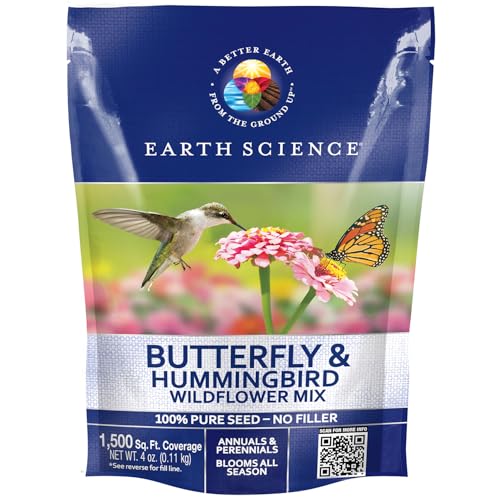
Create a Pollinator Paradise: Flowers & Plants That Attract Butterflies and Hummingbirds
Transform your garden into a vibrant sanctuary that invites colorful butterflies and dazzling hummingbirds. Discover the best nectar-rich plants and expert tips to make your yard a haven for these essential pollinators.
Explore Top PlantsWhy Pollinator Gardens Matter: Butterflies and hummingbirds are not only beautiful to watch—they are vital to our ecosystem. By planting flowers and plants that attract them, you support pollination, biodiversity, and the health of your entire garden. Let Gardening guide you to the best choices for a thriving, pollinator-friendly landscape.
Top 8 Flowers & Plants That Attract Butterflies and Hummingbirds
Butterfly Bush (Buddleja)
Known for its long, cone-shaped flower clusters, the butterfly bush is a magnet for butterflies and hummingbirds. Blooms from summer to fall in purple, pink, white, and blue.
Bee Balm (Monarda)
Bee balm produces vibrant, shaggy blooms in red, pink, and purple. Its nectar-rich flowers are a favorite of hummingbirds and butterflies, and the foliage has a pleasant minty aroma.
Milkweed (Asclepias)
Milkweed is the only host plant for monarch butterflies. Its fragrant pink or orange flowers provide nectar for many pollinators, and it's essential for monarch conservation.
Salvia (Sage)
With its tall spikes of blue, purple, red, or white flowers, salvia is a hummingbird favorite. It's drought-tolerant and blooms continuously from spring to fall.
Trumpet Vine (Campsis)
This vigorous vine produces large, trumpet-shaped orange or red flowers that are irresistible to hummingbirds. It's a fast-growing climber perfect for trellises and fences.
Lantana
Lantana produces clusters of bright, multi-colored flowers that bloom from spring to frost. It's a heat-tolerant plant that attracts butterflies and hummingbirds in droves.
Zinnia
Zinnias are easy-to-grow annuals with daisy-like flowers in nearly every color. They are a top choice for butterflies and provide a long blooming season.
Penstemon (Beardtongue)
Penstemon produces tubular flowers in shades of pink, purple, red, and white. Its shape is perfectly designed for hummingbirds' long beaks and tongues.
How to Attract Butterflies & Hummingbirds
🌼 Plant in Clusters
Planting flowers in large groups makes it easier for pollinators to spot them. A cluster of 5–7 plants of the same variety is more attractive than scattered singles.
☀️ Choose Sunny Locations
Most nectar-rich plants thrive in full sun (6+ hours). Butterflies and hummingbirds prefer warm, sunny spots to feed and rest.
💧 Provide Water Sources
Butterflies need shallow puddles or wet sand to drink. Hummingbirds love misters or shallow birdbaths with moving water.
🚫 Avoid Pesticides
Chemical pesticides harm pollinators. Use natural pest control methods like natural pest control to keep your garden safe.
🌸 Include Host Plants
In addition to nectar plants, include host plants (like milkweed for monarchs) where butterflies can lay eggs and caterpillars can feed.
Seasonal Guide to Pollinator Gardens
Spring: Plant early bloomers like low light plants (for shaded areas) and hardy perennials. Summer: Add heat-tolerant plants like lantana and salvia. Fall: Keep blooms going with asters and goldenrod to fuel migrating monarchs and hummingbirds.
Expert Tips for a Thriving Pollinator Garden
- 🌱 Combine native plants with non-invasive exotics to support local ecosystems.
- 🌺 Plant for continuous bloom: choose species that flower at different times.
- 🌿 Provide shelter: shrubs, trees, and brush piles offer resting and nesting spots.
- 🪴 Use containers for flexibility: plant combination ideas for container gardens full sun work great on patios.
- 📅 Keep a garden journal to track which plants attract the most visitors.
⚠️ AFFILIATE DISCLOSURE: This website contains affiliate links. As an Amazon Associate, we earn from qualifying purchases. If you make a purchase through these links, we may receive a small commission at no additional cost to you. Read our full affiliate policy.