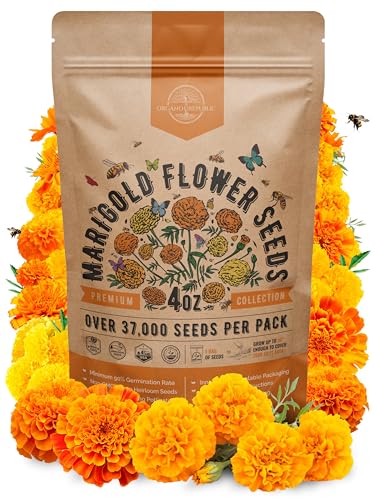
Marigolds Planting Guide: Grow Bright, Pest-Repellent Flowers
Everything you need to know about planting and growing marigolds — from seed to stunning bloom. Perfect for gardens, borders, and containers.
Let gardening inspire you with the cheerful, golden glow of marigolds. These hardy annuals are among the most rewarding flowers to grow, offering vibrant color from early summer until the first frost. Whether you're a beginner or a seasoned gardener, marigolds are forgiving, low-maintenance, and incredibly versatile.
🌱 Why Plant Marigolds? Marigolds are more than just pretty faces. They're natural pest repellents, excellent companion plants for vegetables like tomatoes and peppers, and their bright blooms attract pollinators like bees and butterflies. Plus, they're drought-tolerant and thrive in almost any soil.
When to Plant Marigolds
The best time to plant marigolds depends on your climate and whether you're starting from seed or transplants.
- Seeds indoors: Start seeds 6–8 weeks before your last expected frost date. Transplant outdoors after all danger of frost has passed and soil has warmed.
- Direct sowing: Sow seeds directly in the garden after the last frost date, when soil temperatures reach at least 60°F (15°C).
- Transplants: Plant nursery-grown marigolds in spring after the threat of frost has passed. They'll establish quickly and bloom sooner.
In warmer climates (zones 8–11), you can plant marigolds in fall for winter blooms. For most gardeners, spring planting after the last frost is the sweet spot.
How to Plant Marigolds Step by Step
Follow these simple steps for a thriving marigold garden:
- Choose the right location: Marigolds love full sun. Select a spot that receives at least 6 hours of direct sunlight daily. They tolerate partial shade but will bloom less profusely.
- Prepare the soil: Marigolds aren't fussy about soil, but they prefer well-drained, slightly acidic to neutral soil (pH 6.0–7.0). Loosen the soil to a depth of 6–8 inches and mix in compost for added nutrients.
- Sow seeds or set transplants:
- Seeds: Sow ¼ inch deep, spacing seeds 8–12 inches apart for dwarf varieties, or 12–18 inches for taller types. Thin seedlings to the recommended spacing once they have 2–3 true leaves.
- Transplants: Dig holes slightly larger than the root ball. Place the plant at the same depth as it was in the pot, backfill, and water thoroughly.
- Water wisely: Water deeply after planting. Once established, marigolds are drought-tolerant. Water at the base to avoid wetting foliage, which can encourage fungal diseases.
- Mulch and feed: Apply a thin layer of organic mulch around plants to retain moisture and suppress weeds. Feed with a balanced, slow-release fertilizer at planting time; avoid over-fertilizing, which can lead to excessive foliage and fewer blooms.
Pro Tip: Pinch back young marigold plants to encourage bushier growth and more flowers. Simply snip off the top set of leaves once the plant is 4–6 inches tall.
Popular Marigold Varieties
Marigolds come in three main types, each with unique characteristics:
🌼 French Marigolds (Tagetes patula)
Compact, bushy plants (6–18 inches). Rich, warm colors like orange, yellow, and mahogany. Ideal for borders, containers, and mass plantings. Excellent for companion planting.
🌻 African Marigolds (Tagetes erecta)
Tall, stately plants (1–3 feet). Large, pom-pom blooms in shades of yellow, gold, and orange. Best for the back of beds or as cut flowers. They thrive in hot, sunny locations.
🌸 Signet Marigolds (Tagetes tenuifolia)
Delicate, lacy foliage with small, single flowers. Edible and aromatic, they add a citrusy flavor to salads. Great for rock gardens, hanging baskets, and vegetable garden borders.
Caring for Marigolds All Season
Keeping your marigolds healthy and blooming is a breeze with these simple care tips:
- Deadheading: Remove spent flowers regularly to encourage continuous blooming. Snip just above a set of leaves or a branching point.
- Watering: Water deeply during dry spells, but allow the soil to dry between waterings. Overwatering can cause root rot.
- Fertilizing: If your soil is poor, apply a water-soluble fertilizer every 4–6 weeks. Too much nitrogen will result in lush leaves and fewer flowers.
- Pest control: Marigolds naturally repel many pests, but they can occasionally suffer from aphids or spider mites. Use a strong spray of water or insecticidal soap to manage infestations. For more natural solutions, check our natural pest control guide.
- Disease prevention: Ensure good air circulation and avoid wetting foliage to prevent fungal issues like powdery mildew.
Landscaping Ideas with Marigolds
Marigolds are incredibly versatile in the landscape. Here are some inspiring ways to use them:
- Colorful borders: Plant low-growing French marigolds along walkways, driveways, or landscaping beds for a vibrant edge.
- Container gardens: Combine marigolds with other sun-loving annuals like zinnias or petunias in pots and window boxes.
- Vegetable garden companion: Interplant marigolds with tomatoes, peppers, and squash to deter nematodes and other pests. They also attract beneficial insects.
- Mass plantings: Create a dramatic display by planting a large bed of African marigolds in a single, bold color.
- Pollinator patches: Mix marigolds with other pollinator-friendly plants to support bees, butterflies, and other beneficial insects.
Harvesting and Saving Marigold Seeds
One of the joys of growing marigolds is saving seeds for next season. It's easy and economical:
- Allow a few blooms to fully mature and dry on the plant. The flower head will turn brown and papery.
- Snip the dried flower head and gently crush it over a plate or paper bag to release the seeds. The seeds are small, black, and have a white tip.
- Store the seeds in a cool, dry place in a labeled envelope or airtight container. They'll remain viable for up to 3 years.
For more seed-saving tips and techniques, visit our seed saving guide.
Troubleshooting Common Marigold Problems
🌱 Leggy plants
Insufficient light. Move to a sunnier spot or reduce shading from nearby plants.
🍂 Yellowing leaves
Overwatering or poor drainage. Allow soil to dry out and improve drainage with organic matter.
🕸️ Spider mites
Dry conditions. Spray with water or use insecticidal soap. Increase humidity around plants.
❌ No blooms
Too much nitrogen or too much shade. Switch to a low-nitrogen fertilizer and ensure full sun.
Enjoy a Season of Sunshine
Marigolds are one of the most cheerful and rewarding flowers you can grow. Whether you're planting them for their bright color, their pest-repelling properties, or their ability to attract pollinators, these hardy annuals deliver beauty and value with minimal effort. With the information in this guide, you're well-equipped to plant, grow, and enjoy a stunning marigold display from spring to frost.
Ready to get started? Explore our garden tools and flower garden guides for everything you need to create your dream garden.