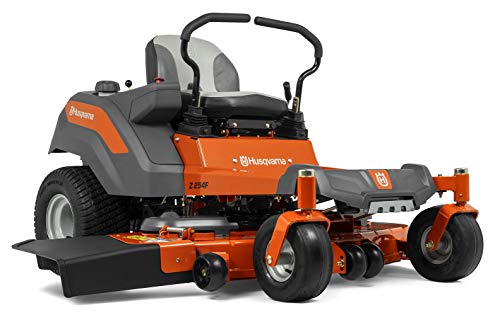
Best 42 Inch Zero Turn Mower for the Money
Find the right balance of maneuverability, durability, and value. This guide helps research-focused buyers choose a 42-inch zero turn that fits real residential lawns without overpaying for capability they will never use.
Why a 42-inch zero turn deserves a closer look: A 42-inch deck is the sweet spot for homeowners who need zero-turn agility but face gates, garden beds, trees, and storage limits. It is not the biggest deck, but it is often the most practical one. The key is identifying which models deliver solid components and predictable ownership rather than paying for a badge.
Who Should Choose a 42-Inch Zero Turn?
A 42-inch zero turn mower is designed for residential properties where wide-open acreage is not the whole story. If your lawn includes narrow gates, curved beds, a shed door, or a garage that already has little spare room, a smaller deck can be the difference between finishing efficiently and fighting the machine. Homeowners with roughly half an acre to around two acres, especially those with obstacles, often find a 42-inch deck more useful than a larger unit that cannot reach tight areas.
The trade-off is straightforward: fewer inches per pass compared with a 48- or 54-inch deck, but better access. For properties with many trees and planting beds, the ability to weave and trim without repeated maneuvering often matters more than raw cutting width. For buyers comparing deck sizes across the wider zero-turn market, our guide to 42-inch zero turn mowers for sale near me can help clarify what is typically available locally, while those considering a larger investment can review best 60-inch zero turn mower for the money for a different balance of speed and storage demands.
What “Value” Really Means in This Category
The best 42-inch zero turn for the money is not simply the least expensive model on the shelf. Value in this category is determined by the quality of the components that wear out, the support network behind the machine, and whether the feature set matches the buyer’s lawn. A stamped deck with reinforced spindle mounts, serviceable hydrostatic transmissions, and a reputable engine brand usually represent a more sensible long-term choice than a machine that saves a little upfront but compromises on the parts that matter.
Buyers should also weigh the dealer experience. A strong local dealer network can shorten repair times and simplify parts availability. For that reason, some entry-level and mid-range models from established brands deliver better ownership value than a slightly cheaper alternative with weak support. Those who plan to mow professionally or maintain several properties may find that best commercial zero turn mower for residential use offers a more relevant frame of reference, while a smaller-scale comparison is available in 42-inch riding lawn mowers for sale near me.
Quality Tiers Without the Price Tag
To keep the comparison honest and durable, this guide uses universal quality descriptors rather than transient figures. The table below summarizes what each tier generally delivers in the 42-inch zero turn segment.
| Quality Tier | What It Typically Offers | Best For |
|---|---|---|
| Entry-level | Stamped deck, basic seat, residential-grade hydrostatic drive, smaller engine displacement | Flat lawns up to roughly one acre with moderate obstacles |
| Mid-range | Reinforced stamped or lighter fabricated deck, branded engine, improved seat and controls | One to two acres with trees, beds, and occasional uneven ground |
| Premium residential | Fabricated deck, higher-output engine, suspension or high-comfort seat, stronger transmission | Larger residential lawns with frequent use and rougher terrain |
The most sensible value usually sits in the mid-range tier. Entry-level models can serve simple lawns well, but stepping up to a mid-range 42-inch zero turn often brings better engine longevity and more comfortable operation. Premium residential models are worthwhile when the machine will see heavy weekly use or when lawn conditions are less forgiving. For a broader view of how deck size influences that decision, the comparison of 54-inch zero turn mowers for sale near me illustrates what buyers gain and give up when moving up in width.
Key Components That Separate Good Value from False Economy
Deck Construction
A stamped steel deck is common at the entry-level and mid-range points. The important detail is not simply “stamped versus fabricated” but whether the deck has reinforced spindle mounts and anti-scalp wheels that suit the lawn. A fabricated deck adds impact resistance and is a sensible choice for properties with exposed roots or rough patches. Buyers who expect to mow the same ground for many years should prioritize deck rigidity and blade-spindle quality over cosmetic features.
Engine and Transmission
A 42-inch zero turn does not need a massive engine, but it does benefit from a proven one. Reputable V-twin engines in the 18 to 23 horsepower range are typical and generally provide adequate torque for weekly residential mowing. Transmission quality is equally important: serviceable hydrostatic units with accessible filters and fluid make long-term maintenance easier. A machine that is difficult to service can become a poor value regardless of its initial appeal.
Comfort and Control
Mowing is repetitive, and operator comfort affects both fatigue and cut quality. A high-back seat with adjustable lap bars, clear deck-height adjustment, and responsive controls reduce the small frustrations that accumulate over a season. Suspension seats and armrests are not luxuries on a machine used weekly; they are practical features that help the operator maintain focus. For homeowners who also maintain adjacent properties or tow small attachments, the utility of 10 cu ft lawn mower dump cart with wheels is worth considering alongside mower selection.
Gas vs. Electric: A Value Question, Not a Trend
Electric 42-inch zero turns have become genuinely viable for some homeowners. They offer quieter operation, no fuel storage, and fewer routine engine tasks. The trade-off is runtime and charging logistics. For a lawn that can be completed within a single charge and stored near a suitable outlet, an electric model can be a rational choice. For larger properties or users who prefer the predictability of refueling, a gas model remains the more practical option. The decision should be based on lawn size, routine, and tolerance for charging downtime rather than novelty.
How to Compare Without Getting Lost in Specs
A productive comparison starts with three questions: How much of the lawn is open, how many obstacles must be navigated each week, and who will perform maintenance? The answers often eliminate models that look attractive on paper but do not fit the actual routine. Buyers who expect to keep the machine for a decade should place more weight on engine reputation, transmission serviceability, and dealer proximity. Those replacing a tractor or walk-behind may also find it useful to review 42-in 100 Ah battery electric riding zero turn mower for a look at how electric options are positioned in this size class.
Finally, measure the narrowest gate and the storage opening before committing to any 42-inch model. A deck that fits the lawn but not the shed becomes an ongoing inconvenience. For a broader context on riding mower formats, 30-inch riding lawn mowers for sale near me shows the compact end of the spectrum, while best 42 inch zero turn mower for the money remains the central reference for this specific size.
Frequently Asked Questions
What size yard is a 42-inch zero turn mower best for?
A 42-inch zero turn is well suited to small and medium residential lawns, typically up to around two acres, particularly when the property has trees, beds, or gates that reward a narrower machine.
Is a 42-inch deck too small for a large yard?
For wide-open acreage, a larger deck can reduce mowing time. But a 42-inch deck is often the smarter choice when obstacles, gates, or storage limits make a wider machine impractical.
What engine size should I look for in a 42-inch zero turn?
Most residential 42-inch zero turns use engines in the 18 to 23 horsepower range. A mid-range engine from a reputable brand is generally a sound long-term choice for weekly mowing.
Are electric 42-inch zero turn mowers worth considering?
Electric models can be a good fit for homeowners who value quieter operation and simpler maintenance, provided the lawn can be completed within the available runtime and charging is convenient.
Ready to compare the strongest value picks in this size class? The recommended models below are selected for practical residential use, component quality, and long-term ownership.
View Recommended 42-Inch Zero Turn Mowers