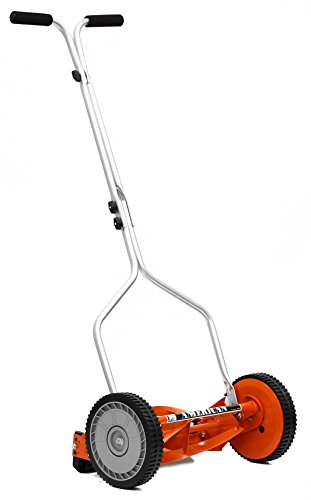
Fix Lawn Mower Near Me: Your Complete Repair & Service Guide
When your mower sputters, stalls, or refuses to start, your lawn doesn't wait. This guide helps you diagnose common problems, decide between DIY fixes and professional repair, and find reliable lawn mower service near you — so you can get back to a perfectly manicured lawn.
Diagnose Your Mower ProblemQuick answer: Most "fix lawn mower near me" searches happen because a mower won't start, cuts unevenly, or leaks. Before calling a shop, check the spark plug, air filter, fuel quality, and blade condition — these four items solve the majority of common mower problems. If the issue involves the carburetor, transmission, or electrical system, a local small engine repair shop or mobile service is usually the smartest path.
Why Lawn Mowers Break Down: The Most Common Causes
Understanding why mowers fail helps you decide whether a quick fix or professional service is needed. Most breakdowns fall into a few predictable categories, and knowing them can save you time and frustration.
Fuel problems top the list. Ethanol-blended gasoline degrades faster than many homeowners realize, and stale fuel clogs carburetors and fuel lines. If your mower sat unused over winter without a fuel stabilizer, stale gas is the first suspect. Ignition issues come next — a fouled or worn spark plug prevents combustion, and it's one of the easiest fixes to handle yourself.
Air and oil problems are equally common. A dirty air filter chokes the engine, while low or dirty oil causes overheating and accelerated wear. Mechanical wear — dull blades, stretched belts, worn wheels — affects cutting quality and safety. Finally, electrical faults on cordless and electric models often trace back to battery health, chargers, or safety switches.
If you're evaluating whether to repair or replace, our brand comparisons and budget-friendly tool guides can help you weigh the decision objectively.
Lawn Mower Troubleshooting: Fix It Yourself First
Before you search for a repair shop, run through this diagnostic checklist. Many problems have simple solutions you can handle in your garage with basic tools.
| Symptom | Likely Cause | DIY Fix | When to Call a Pro |
|---|---|---|---|
| Mower won't start | Stale fuel, fouled spark plug, dirty air filter, clogged carburetor | Drain old fuel, replace plug and filter, clean carburetor bowl | Carburetor rebuild or ignition coil failure |
| Engine starts then dies | Fuel flow restriction, clogged vent, bad fuel cap | Check fuel lines, clean cap vent, replace fuel filter | Internal carburetor cleaning or fuel pump issue |
| Uneven cut | Dull or bent blade, uneven deck, tire pressure | Sharpen or replace blade, level deck, inflate tires evenly | Spindle or deck damage |
| Excessive vibration | Imbalanced or damaged blade, loose engine bolts | Replace blade, tighten mounting bolts | Crankshaft or bearing damage |
| White or blue smoke | Overfilled oil, tipped mower, worn rings | Check oil level, let mower sit upright, change oil | Engine rebuild for worn piston rings |
| Self-propel not working | Stretched drive belt, worn transmission | Replace drive belt, adjust cable tension | Transmission replacement |
| Battery won't hold charge (cordless) | Age, deep discharge, charger fault | Recharge fully, clean terminals, test charger | Battery pack or charger replacement |
Step-by-Step: The "Won't Start" Diagnostic
This is the single most common reason people search for "fix lawn mower near me." Follow this sequence:
- Check the fuel. Is it fresh? Smell it — stale gas has a varnish-like odor. Drain and refill with fresh fuel if in doubt. For long-term storage, a fuel stabilizer prevents this problem entirely.
- Check the spark plug. Remove it, inspect the electrode. If it's black, oily, or worn, replace it. A new plug is one of the most affordable fixes you can make.
- Check the air filter. A clogged filter starves the engine of air. Clean or replace it — this takes under five minutes on most models.
- Check the oil. Low oil triggers safety shutoffs on many engines. Top off to the correct level.
- Check the blade. A dull blade doesn't stop the engine, but it stresses it. Sharpen or replace before the season.
- Check the safety switches. The blade control bar and seat switch (on riders) must engage properly. A stuck switch mimics a dead engine.
If all six checks pass and the mower still won't start, the carburetor or ignition system is the likely culprit — time to consider professional help.
DIY Repair vs. Professional Service: How to Decide
Knowing your limits saves money and prevents damage. Here's a practical framework:
Handle it yourself if: the problem is a spark plug, air filter, blade, drive belt, oil change, or fuel line. These are straightforward tasks covered in your owner's manual, and the parts are inexpensive. Owning a few quality tools — like those in our budget-friendly tool guide — makes routine maintenance easy.
Call a professional if: the mower needs carburetor work, engine disassembly, electrical diagnostics, transmission repair, or hydraulic system service on zero-turn models. These jobs require specialized tools, parts knowledge, and experience. Attempting them without training often causes more damage than the original problem.
Repair or replace? As a general rule, repair makes sense when the cost is less than about half the price of a comparable new mower. For older entry-level models with major engine failure, replacement is often the smarter investment. Mid-range and premium mowers, especially those with robust decks and quality transmissions, are usually worth repairing well into their service life. Compare current models in our brand comparisons before deciding.
How to Find Reliable Lawn Mower Repair Near You
When DIY isn't the answer, finding a trustworthy repair service is the next step. Here's how to search effectively and what to verify before handing over your machine.
Where to Look
- Authorized service centers. Start with your mower brand's official dealer locator. Authorized centers have factory training and genuine parts, which matters for warranty work.
- Local small engine repair shops. Independent shops often handle all brands and may offer faster turnaround. Look for shops with strong reviews and clear diagnostic policies.
- Dealerships that sell mowers. Many outdoor power equipment dealers service what they sell — and often other brands too.
- Mobile repair services. Some technicians come to your home, which is convenient for riding mowers and zero-turns that are hard to transport. Search "mobile lawn mower repair near me" to find local options.
- Neighborhood recommendations. Local community groups and neighbors are excellent sources of vetted repair shops.
What to Ask Before Booking
- Diagnostic fee: Ask whether the shop charges a diagnostic fee and whether it's applied to the repair cost.
- Turnaround time: During peak spring season, shops can be backed up for weeks. Ask for an estimate upfront.
- Parts availability: Confirm they can source parts for your specific model and brand.
- Warranty on repairs: Reputable shops stand behind their work with a warranty period.
- Pickup and delivery: For heavy machines, this service is worth asking about — it saves you the hassle of loading and transport.
- Estimate policy: A good shop provides a written estimate before starting work and calls if the scope changes.
Red Flags to Avoid
Be cautious of shops that won't provide written estimates, pressure you into unnecessary repairs, lack a physical address or verified reviews, or can't explain what's wrong in plain language. A trustworthy technician will walk you through the diagnosis and give you options.
Preventive Maintenance: Keep Your Mower Out of the Shop
The best repair is the one you never need. A simple annual routine dramatically extends mower life and cuts down on breakdowns.
Before each season: Change the oil, replace the spark plug and air filter, sharpen or replace the blade, check tire pressure, and inspect belts and cables. Clean the underside of the deck to prevent rust and buildup.
After each use: Hose off grass clippings (on gas models, let the engine cool first), check oil level, and inspect for loose bolts or damage.
Before winter storage: Run the tank dry or add fuel stabilizer, change the oil, clean the deck, and store the mower in a dry place. This single step prevents the most common spring startup failure.
If you're considering upgrading to a lower-maintenance model, explore electric lawn mowers and cordless self-propelled options — they require less routine engine maintenance than gas models. And if you'd rather hand off the work entirely, environmentally friendly lawn care services can handle mowing and upkeep for you.
Understanding Repair Value: What Affects the Decision
Repair economics vary widely, but the logic is consistent. Minor fixes — spark plugs, filters, belts, blades — are almost always worth doing, regardless of mower tier. Mid-range repairs like carburetor cleaning or cable replacement are usually worthwhile on mid-range and premium mowers. Major engine or transmission work is where the math gets serious: on entry-level mowers, it often exceeds the machine's remaining value, while on premium models it's frequently the economical choice.
Think in terms of tiers rather than numbers: an entry-level mower with a failed transmission is typically a replacement candidate; a premium mower with the same failure is usually a repair candidate. For help comparing what's available at each tier, see our brand comparisons and cordless vs. gas guide.
Frequently Asked Questions
How do I find a lawn mower repair service near me?
Start with your brand's authorized dealer locator, then check local small engine repair shops and read verified reviews. Ask about diagnostic fees, turnaround time, and warranty on repairs. For heavy machines, look for shops offering pickup and delivery, or search for mobile repair services that come to your home.
Why won't my lawn mower start after winter?
Stale fuel is the most common culprit — old gas gums up the carburetor. Other frequent causes include a fouled spark plug, a dirty air filter, and low oil triggering a safety shutoff. Drain old fuel, replace the plug and filter, and check the oil before assuming a major problem. Using a fuel stabilizer before storage prevents this entirely.
Is it worth repairing an old lawn mower?
Repair is usually worthwhile when the cost is less than about half the price of a comparable new mower. Simple fixes — plugs, filters, belts, blades — almost always justify repair. Major engine or transmission failure on an entry-level mower often favors replacement, while premium mowers with the same failure are typically worth fixing.
How often should a lawn mower be serviced?
A full annual service before the mowing season covers most needs: oil change, spark plug, air filter, blade sharpening, and belt inspection. Between services, check oil and clean the deck every few uses. Cordless models need less engine maintenance but benefit from battery care and terminal cleaning.
Can I fix my lawn mower myself?
Yes, for many common issues. Spark plugs, air filters, blades, drive belts, oil changes, and fuel lines are all manageable DIY tasks with basic tools and your owner's manual. Carburetor rebuilds, engine disassembly, electrical diagnostics, and transmission work are better handled by a professional to avoid causing further damage.
Get Back to a Perfect Lawn
A broken mower doesn't have to derail your lawn care routine. Start with the diagnostic checklist, handle the simple fixes yourself, and call a trusted local professional when the problem is beyond DIY territory. With a little preventive maintenance — fresh fuel, clean filters, sharp blades — you'll spend far less time searching for repairs and more time enjoying your lawn. And when it's time to upgrade or stock up on essentials, the recommended tools below can help you prepare.