
Fuel Stabilizer: The Essential Guide to Keeping Gasoline Fresh and Protecting Your Garden Equipment
Discover how fuel stabilizer prevents ethanol damage, extends fuel life, and keeps your lawn mowers, trimmers, and outdoor power equipment running smoothly season after season.
SHOP FUEL STABILIZERSQuick Summary: Fuel stabilizer is a preventive additive that slows gasoline degradation, prevents gum and varnish buildup, and protects carburetors and fuel systems from ethanol-related corrosion. It is essential for any garden equipment that sits idle for weeks or months — from lawn mowers and string trimmers to chainsaws and generators.
What Is Fuel Stabilizer?
Fuel stabilizer is a specially formulated additive designed to extend the shelf life of gasoline by slowing down the natural chemical breakdown that occurs during storage. When added to fresh fuel, it creates a protective barrier that prevents oxidation, reduces evaporation of volatile compounds, and inhibits the formation of harmful deposits in fuel systems.
For gardeners and homeowners who rely on gas-powered equipment — such as lawn mowers, string trimmers, leaf blowers, and chainsaws — fuel stabilizer is not just a convenience. It is a critical maintenance product that can prevent costly repairs and extend the working life of expensive machinery.
Unlike fuel injector cleaners or octane boosters, which address different aspects of fuel performance, stabilizers focus specifically on preservation. They are especially important for equipment that is used seasonally, such as snow blowers in winter or lawn mowers in summer, because gasoline left sitting in a tank or carburetor can degrade significantly in as little as 30 days.
Why Does Gasoline Go Bad?
Gasoline is a complex mixture of hydrocarbons that begins to break down as soon as it is refined. Several factors accelerate this process:
⏱️ Oxidation
Exposure to oxygen causes hydrocarbons to react and form gum and varnish — sticky substances that clog carburetor jets and fuel lines.
🌡️ Temperature Fluctuations
Repeated heating and cooling cycles cause condensation inside fuel tanks, introducing moisture that leads to corrosion.
💧 Moisture Absorption
Ethanol-blended gasoline is hygroscopic — it attracts and absorbs water from the air, which can cause phase separation.
☀️ UV Exposure
Sunlight accelerates chemical breakdown. Fuel stored in clear or poorly sealed containers degrades faster.
🕰️ Time
Even in ideal conditions, untreated gasoline begins to lose volatility and form deposits within 30 to 90 days.
🧪 Volatile Compound Loss
Light hydrocarbons evaporate first, leaving behind heavier compounds that burn poorly and foul spark plugs.
The consequences of using degraded fuel range from rough idling and hard starting to complete carburetor failure. In small engines, the fuel passages are tiny — a fraction of the size found in automotive systems — making them especially vulnerable to even minor deposits.
Pro Tip: If your mower or trimmer has been sitting for more than a month with untreated fuel, drain the tank and refill with fresh gas before adding stabilizer. Stabilizers work best as a preventive measure, not as a cure for already-stale fuel.
The Ethanol Problem in Small Engines
Most gasoline sold at retail pumps contains ethanol — typically 10% (E10) in the United States and many other countries. While ethanol raises octane and reduces emissions, it creates serious problems for small engines and stored fuel:
- Water absorption: Ethanol is hygroscopic, meaning it pulls moisture from the air. Over time, the ethanol-water mixture separates from the gasoline and sinks to the bottom of the tank — a phenomenon called phase separation.
- Corrosion: The ethanol-water layer is highly corrosive to aluminum, zinc, and other metals used in carburetors and fuel systems.
- Rubber and plastic degradation: Ethanol can soften and deteriorate fuel lines, gaskets, and seals in older equipment not designed for ethanol-blended fuel.
- Reduced shelf life: Ethanol-blended gasoline can begin phase separation in as little as 60 to 90 days under unfavorable conditions.
Fuel stabilizers formulated for modern gasoline address these ethanol-related issues directly. Many premium products include ethanol treatments that prevent phase separation, neutralize corrosive acids, and protect metal components. For a deeper look at how different fuel types affect your equipment, see our comparison of cordless vs gas tools.
How Fuel Stabilizer Works
Fuel stabilizers contain a blend of active ingredients that work together to preserve gasoline:
- Antioxidants interrupt the oxidation chain reaction, preventing the formation of gum and varnish even after months of storage.
- Corrosion inhibitors form a thin protective film on metal surfaces inside the fuel tank, lines, and carburetor, blocking rust and electrochemical damage.
- Metal deactivators neutralize trace metals (such as copper) that can catalyze fuel breakdown.
- Dispersants keep microscopic particles suspended so they do not settle and clog small passages.
- Ethanol conditioners (in premium formulations) prevent phase separation and encapsulate moisture to reduce corrosion risk.
When added to fresh fuel at the recommended ratio, these ingredients extend usable fuel life from a few weeks to 12–24 months. That means your equipment starts easily in spring after a long winter, and your backup generator is ready when you need it.
Key Benefits for Your Garden Equipment
🔧 Prevents Carburetor Repairs
Carburetor cleaning or replacement is one of the most common small-engine repairs. Stabilizer prevents the gum and varnish that cause these failures.
🚀 Easier Starting
Fresh, stable fuel ignites more readily, reducing the number of pull-starts needed to get equipment running after storage.
💰 Extends Equipment Life
Clean fuel systems mean less wear on fuel pumps, injectors, and carburetors — translating to longer service life for your machines.
🛡️ Fights Ethanol Damage
Modern formulations neutralize the corrosive effects of ethanol, protecting fuel lines, gaskets, and metal components.
📦 Safer Long-Term Storage
Store fuel for months without worrying about it going stale — ideal for seasonal equipment like snow blowers and mowers.
🌱 Reduces Fuel Waste
Instead of discarding stale gas, you can keep it usable longer, which is both economical and environmentally responsible.
Routine use of fuel stabilizer is one of the simplest — and most overlooked — maintenance steps in lawn care and garden equipment upkeep. It takes seconds to add but can save hours of frustration and significant repair bills down the road.
Types of Fuel Stabilizers
The market offers several categories of fuel stabilizers, each suited to different needs:
| Type | Best For | Storage Life | Key Characteristics |
|---|---|---|---|
| Standard Stabilizers | Routine seasonal storage | Up to 12 months | Affordable, widely available, effective for basic oxidation prevention. |
| Ethanol-Focused Formulas | E10/E15 fuel in small engines | 12–18 months | Include ethanol conditioners and corrosion inhibitors for modern blended fuels. |
| Premium Multi-Function | High-value equipment, long storage | Up to 24 months | Combine stabilization with injector cleaning, lubricity enhancement, and moisture control. |
| Concentrates | Frequent users, bulk fuel storage | Varies by product | Treat large volumes economically; measure carefully per manufacturer instructions. |
When selecting a product, consider your equipment type, fuel blend, and typical storage duration. Entry-level stabilizers are adequate for short off-seasons, while mid-range and premium formulas offer broader protection for expensive machines and long-term storage.
How to Use Fuel Stabilizer Correctly
Correct application ensures maximum effectiveness. Follow these steps:
- Start with fresh fuel. Add stabilizer to gasoline that is no more than a few weeks old. Stabilizers cannot restore already-degraded fuel.
- Measure accurately. Use the ratio specified on the product label. Most concentrates treat 2.5 to 10 gallons per ounce, but always verify.
- Add stabilizer to the container first. Pour the correct amount into your fuel can before adding gasoline. This ensures thorough mixing as the fuel is dispensed.
- Mix thoroughly. Swirl or shake the container gently to distribute the additive evenly.
- Fill your equipment. Add the treated fuel to your mower, trimmer, or other equipment tank.
- Run the engine briefly. Start the engine and let it run for a few minutes so treated fuel circulates through the carburetor and fuel lines.
- Store properly. Keep fuel in a sealed, approved container away from sunlight and temperature extremes.
Pro Tip: For seasonal equipment, add stabilizer to the tank at the end of the season and run the engine for 5–10 minutes. This coats internal components with treated fuel and protects them during months of inactivity. For more on preparing equipment for the off-season, see our winter garden preparation guide.
Fuel Storage Best Practices
Even with stabilizer, proper storage makes a significant difference in fuel longevity:
- Use approved containers. Store fuel only in containers designed for gasoline, with tight-fitting caps and no cracks.
- Keep containers full. Minimize air space in the container to reduce oxidation and moisture condensation. A nearly full container degrades more slowly.
- Avoid sunlight. Store fuel in a cool, dark place. UV radiation accelerates chemical breakdown.
- Maintain stable temperatures. Avoid locations that experience extreme heat or repeated freeze-thaw cycles.
- Rotate your stock. Use older fuel first and refill containers with fresh gas regularly.
- Label containers. Note the date the fuel was purchased or treated so you know when to use it or dispose of it.
- Never store fuel indoors. Gasoline should always be kept in a well-ventilated outdoor storage area, away from ignition sources.
Combining good storage habits with a quality stabilizer gives you the best chance of starting your equipment without issues after months of inactivity. For related equipment care, see our guides on cleaning and sharpening tools and tool storage ideas.
How to Choose the Right Fuel Stabilizer
With many products on the market, focus on these factors:
- Storage duration: Match the product's claimed protection period to your needs. A standard stabilizer suits a 3–6 month off-season; premium formulas cover 12–24 months.
- Ethanol compatibility: If you use E10 or E15 fuel, choose a formula that explicitly addresses ethanol-related issues.
- Equipment value: For high-end machines, a multi-function premium product is a worthwhile investment. For budget equipment, an entry-level or mid-range stabilizer is often sufficient.
- Usage volume: Concentrates are more economical if you treat large quantities of fuel regularly.
- Brand reputation: Look for products from established manufacturers with clear dosing instructions. Our brand comparisons can help you evaluate options.
If you own several pieces of gas-powered equipment — or are considering switching to battery-powered alternatives — our electric lawn mower guide and cordless vs gas comparison offer useful context on maintenance requirements for each type.
Frequently Asked Questions About Fuel Stabilizer
Fuel stabilizer slows down the oxidation and evaporation of gasoline, preventing gum, varnish, and corrosive deposits from forming in fuel systems. It keeps stored fuel fresh for extended periods and protects carburetors and fuel lines in small engines.
Most quality fuel stabilizers keep gasoline fresh for up to 12 to 24 months when added to fresh fuel and stored properly. The exact duration depends on the product formulation, storage conditions, and whether the fuel is kept in a sealed container away from extreme temperatures.
Yes, fuel stabilizer is specifically designed for small engines like lawn mowers, trimmers, chainsaws, and generators. Add it to fresh fuel according to the product instructions before filling your equipment or storing fuel for the off-season. For mower-specific maintenance, see our lawn mower types guide.
No. Fuel stabilizer is a preventive treatment, not a restorative one. It must be added to fresh fuel to prevent degradation. If gasoline has already gone stale, the stabilizer cannot reverse the chemical changes. Old fuel should be properly disposed of instead.
The correct ratio varies by product, but most concentrates treat between 2.5 and 10 gallons per ounce. Always follow the manufacturer's instructions on the bottle. Overdosing is generally not harmful but offers no additional benefit, while underdosing reduces effectiveness.
It is not recommended to mix different stabilizer brands in the same batch of fuel, as their chemical formulations may interact unpredictably. Choose one quality product and use it consistently. If switching brands, finish the old treated fuel before starting with a new product.
Most fuel stabilizers are compatible with two-stroke engines when used as directed. However, always check the product label to confirm suitability. For two-stroke equipment like chainsaws and string trimmers, ensure the stabilizer is added to the gasoline before mixing with two-stroke oil.
Recommended Fuel Stabilizers for Garden Equipment
⚠️ AFFILIATE DISCLOSURE: This website contains affiliate links. As an Amazon Associate, we earn from qualifying purchases. If you make a purchase through these links, we may receive a small commission at no additional cost to you. Read our full affiliate policy.

STA-BIL Storage Fuel Stabilizer, 16 oz | Treats 40 gallons. Keeps fuel fresh for up to 24 months during storage and helps protect against corrosion and ethanol damage
Check price on Amazon
STA-BIL Storage Fuel Stabilizer, 32 oz | Treats 80 gallons. Keeps fuel fresh for up to 24 months during storage, helps protect against corrosion and ethanol damage
Check price on Amazon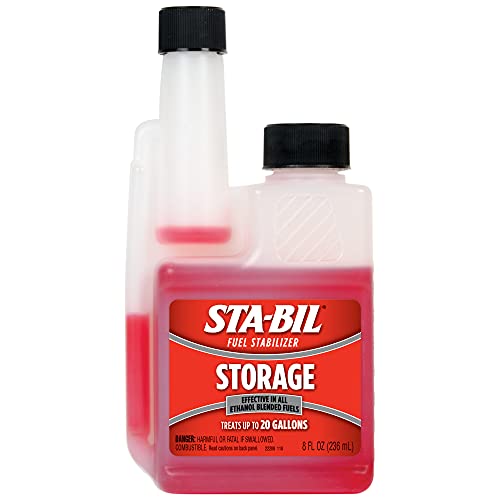
STA-BIL Storage Fuel Stabilizer, 8 oz | Keeps fuel fresh for up to 24 months during storage and helps protect against corrosion and ethanol damage.
Check price on Amazon
STA-BIL Storage Fuel Stabilizer, 1 Gallon | Treats 320 gallons. Keeps fuel fresh for up to 24 months during storage, helps protect against corrosion and ethanol damage.
Check price on Amazon
STA-BIL Storage Fuel Stabilizer, 8 oz 12-Pack | Treats 20 gallons. Keeps fuel fresh for up to 24 months during storage and helps protect against corrosion and ethanol damage
Check price on Amazon
STAR BRITE Star Tron Enzyme Fuel Treatment - Concentrated Formula 32 Fl. Oz. – Treats up to 512 Gallons - Fuel Stabilizer & Treatment, Gasoline Stabilizer, Star Tron Marine Enzyme Fuel Treatment
Check price on Amazon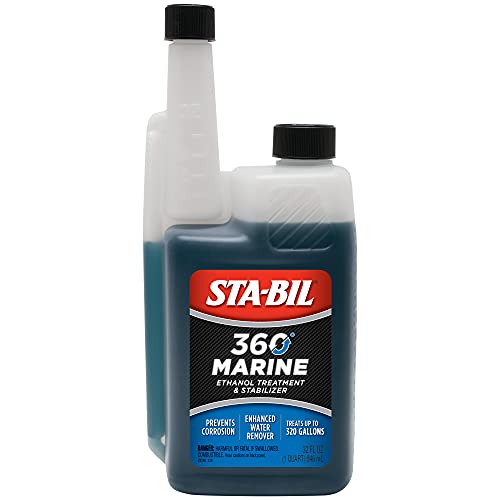
STA-BIL 360 Marine Fuel System Treatment, 32 oz | Treats 320 gallons. Cleans fuel systems and injectors, removes water, and helps protect marine engines.
Check price on Amazon
STA-BIL In-Season Protection Fuel System Treatment & Injector Cleaner, 4 oz | Treats 5 gallons. Cleans fuel systems and injectors while helping protect against corrosion and ethanol damage
Check price on AmazonDisclaimer
Let Gardening provides educational content only. Not a substitute for professional horticulturist or landscape architect services. Always consult a qualified professional for major landscaping or agricultural work. Some content may use AI. We are not responsible for plant damage, injuries, or outcomes. By using this site, you accept these terms. If you do not agree, please leave this website and discontinue its use. Read full disclaimer.