
Outdoor Metal Raised Garden Bed for Vegetables, Flowers, and Herbs: The 8x4x2ft Complete Guide
Everything you need to know about choosing, setting up, and growing in an 8x4x2ft outdoor metal raised garden bed — from soil preparation to seasonal planting strategies for maximum harvests.
EXPLORE TOP PICKSWhy an 8x4x2ft Metal Raised Garden Bed? This configuration has become the gold standard for home gardeners who want to maximize growing space while minimizing back strain. The 8-foot length provides ample room for succession planting, the 4-foot width allows easy reach from both sides, and the 2-foot height offers deep root space, better drainage, and ergonomic working conditions. Metal construction, particularly galvanized steel or powder-coated aluminum, delivers exceptional durability and a clean, modern aesthetic that complements any landscape.
Why Choose a Metal Raised Garden Bed Over Wood or Plastic?
When planning a raised garden bed, the material you choose directly impacts longevity, maintenance, and garden health. Metal raised beds have surged in popularity for good reason. Unlike wood, which can rot, warp, and harbor pests over time, or plastic, which may become brittle under UV exposure, quality metal beds offer a winning combination of strength, durability, and visual appeal. Galvanized steel and powder-coated aluminum are the two dominant materials, each offering distinct advantages depending on your climate and gardening goals.
A metal bed also eliminates concerns about chemical leaching that some gardeners worry about with treated lumber. Modern galvanized and powder-coated finishes are safe for edible gardening when properly manufactured. The smooth surface resists soil buildup and is easy to clean between seasons. If you are designing a low-maintenance landscape, metal beds integrate seamlessly with low-maintenance landscaping principles by reducing replacement costs and upkeep over time.
Exceptional Durability
Galvanized steel and powder-coated aluminum resist rust, rot, and UV damage, delivering 15–20+ years of service life with minimal care. Unlike wood beds that may need replacement within a decade, metal stands up to harsh weather and heavy soil loads.
Ergonomic Working Height
At 2 feet tall, an 8x4x2ft bed reduces bending and kneeling, protecting your back and joints. This height is ideal for gardeners with mobility concerns, seniors, and anyone who wants to garden comfortably for extended periods.
Superior Drainage & Aeration
The open bottom allows excess water to drain freely while earthworms and beneficial microbes migrate upward. The raised profile warms soil faster in spring, extending your growing season by weeks compared to in-ground beds.
Pest & Weed Barrier
Raising the bed off the ground makes it harder for slugs, snails, and burrowing rodents to reach your plants. The contained soil area also makes weed management more manageable, especially when you use a quality mulch guide strategy on top.
Clean, Modern Aesthetic
Metal beds offer a sleek, contemporary look that pairs well with patio design and outdoor living spaces. Available in neutral tones like galvanized silver, matte black, and forest green, they complement any garden style.
Soil Control & Quality
You control the soil mix entirely, avoiding contamination from lead paint, poor native soil, or persistent herbicides. This is especially important for growing vegetables, herbs, and microgreens where soil quality directly affects food safety.
Understanding the 8x4x2ft Dimensions: Why This Size Works
The 8x4x2ft raised bed is a carefully balanced configuration that addresses the most common gardening challenges. The 4-foot width is the maximum comfortable reach for most adults — you can access the center of the bed from either side without stepping into the soil, which prevents compaction and keeps your pathways clean. The 8-foot length provides 32 square feet of growing area, enough for a productive vegetable garden, a cutting flower bed, or a dedicated herb and salad garden.
The 2-foot depth is the standout feature. While many raised beds are only 6 to 12 inches deep, a 2-foot depth supports deep-rooted crops like tomatoes, carrots, potatoes, and asparagus. It also means less bending and kneeling, making the garden accessible for people with back pain or limited mobility. If you are planning low-maintenance front yard landscaping with rocks, a metal bed of this size can serve as a striking focal point while remaining practical.
💡 Pro Tip: Position your 8x4x2ft bed so the long side runs east to west if you plan to grow tall crops like tomatoes or trellised cucumbers. This orientation maximizes sun exposure across the bed and prevents one row from shading another. If you are growing outdoor perennial plants that like direct sunlight, this placement is especially important.
Key Features to Evaluate in a Metal Raised Garden Bed
Not all metal raised beds are created equal. When researching options, pay close attention to these construction details that separate entry-level models from premium and luxury tiers:
| Feature | Entry-Level | Mid-Range | Premium / Luxury |
|---|---|---|---|
| Material Gauge | Thinner steel (24–26 gauge) | Standard steel (22–24 gauge) | Heavy-duty steel (18–20 gauge) or thick aluminum |
| Coating | Basic galvanized finish | Galvanized + powder coat | Multi-layer powder coating with UV protection |
| Edge Safety | Exposed edges possible | Rolled or folded edges | Reinforced safety edges with rubber trim |
| Assembly | Basic bolt-together | Tool-free or quick-connect panels | Precision-engineered interlocking system |
| Warranty | 1–3 years | 5–10 years | 15+ years or lifetime |
| Bottom | Open bottom | Open bottom with optional liner | Open bottom + weed barrier gasket |
An entry-level metal bed is a practical choice for first-time gardeners or temporary installations, though it may show wear sooner in extreme climates. Mid-range options offer the best balance of durability and value for most home gardeners. Premium and luxury models are built for decades of use, featuring thicker steel, superior coatings, and precision engineering that makes assembly and maintenance effortless. If you are investing in a permanent garden feature, the mid-range to premium tiers are your best bet.
Advantages of Metal Raised Beds
- Long lifespan (15–20+ years for quality models)
- No rot, decay, or insect damage
- Does not leach harmful chemicals when properly coated
- Easy to clean and sanitize between seasons
- Modern, clean aesthetic that suits any landscape
- Lightweight compared to wood or concrete
- Fast soil warming in spring
Considerations
- Higher upfront investment than basic wood beds
- Can dent if struck by heavy equipment
- Dark colors absorb heat in extremely hot climates
- Requires careful assembly to ensure square corners
- Not as easily modified as wood
- Some gardeners prefer the traditional look of wood
Step-by-Step Setup Guide for Your 8x4x2ft Metal Raised Bed
Proper installation is the foundation of a productive garden. Follow these steps to ensure your bed is level, stable, and ready for planting:
Choose the Right Location
Select a site that receives 6–8 hours of direct sunlight daily. Avoid low spots where water pools. If you are growing shade-loving herbs or outdoor plants that don't need sunlight perennial, you can bend this rule, but most vegetables and flowers thrive in full sun.
Level the Ground
Remove grass, weeds, and debris from the installation area. Use a spirit level and tamp the soil to create a flat, firm surface. If your ground is uneven, a layer of sand or crushed gravel can help create a stable base.
Assemble the Bed
Follow the manufacturer's instructions carefully. Most metal beds use bolt-together panels or interlocking systems. Leave all bolts slightly loose until the bed is fully assembled and square, then tighten all connections securely.
Add a Weed Barrier (Optional)
While many metal beds have open bottoms, laying a layer of cardboard or landscape fabric at the base can suppress weeds and prevent burrowing pests. This is especially useful if you are converting a lawn area or dealing with persistent weeds like weeds between pavers or garden paths.
Fill with Quality Soil
An 8x4x2ft bed holds approximately 64 cubic feet of soil. Use a blend of 60% topsoil, 30% compost, and 10% perlite or coarse sand for drainage. Avoid filling entirely with potting mix, which can become compacted and expensive at this volume.
Install an Irrigation System
Consider adding drip irrigation or a soaker hose before planting. A 2-foot-tall bed dries out more quickly on the surface, so consistent watering is key. Pair this with a quality mulch guide approach to conserve moisture and suppress weeds.
Soil Preparation and Filling Your 8x4x2ft Bed
Soil is the most important investment you will make in your raised garden bed. A 2-foot depth gives you the opportunity to create a layered soil profile that supports deep-rooted crops and long-term soil health. Here are three proven approaches:
Method 1: The Standard Mix — Combine 60% screened topsoil, 30% well-aged compost, and 10% perlite or coarse sand. This mix provides balanced nutrition, good drainage, and adequate water retention for most vegetables, herbs, and flowers.
Method 2: Hugelkultur Base — Fill the bottom 8–12 inches with logs, branches, and woody debris, then top with compost and soil. As the wood decomposes, it acts as a sponge, retaining moisture and slowly releasing nutrients. This method reduces the volume of soil you need to purchase and improves long-term fertility. It pairs well with an organic gardening approach.
Method 3: The Lasagna Garden — Alternate layers of brown (carbon-rich) and green (nitrogen-rich) materials, starting with cardboard at the base. This no-dig method builds soil fertility over time and is ideal for gardeners transitioning from lawn to garden. If you are dealing with moss in the lawn or poor drainage, the lasagna method can help you repurpose organic matter while building a new bed.
💡 Soil Volume Tip: If budget is a concern, fill the bottom 12 inches with a mix of native soil, compost, and shredded leaves, then top with 12 inches of premium planting mix. This reduces the volume of expensive soil while still providing a healthy growing zone for roots.
What to Plant in Your 8x4x2ft Raised Bed: Vegetables, Flowers, and Herbs
The 32-square-foot growing area of an 8x4x2ft bed is incredibly versatile. With thoughtful planning, you can grow a diverse mix of crops that feed your family and beautify your outdoor space. Here are planting suggestions by category, along with layout strategies:
🥕 Vegetables
The 2-foot depth supports deep-rooted crops that struggle in shallow beds.
- Tomatoes (staked or trellised)
- Carrots and parsnips
- Potatoes (planted deep)
- Peppers (bell and hot)
- Leafy greens (lettuce, spinach, kale)
- Bush beans and peas
- Cucumbers (with a trellis)
- Radishes and beets
Learn more in our growing tomatoes and peppers guides.
🌻 Flowers
Use your bed to grow cut flowers or pollinator-friendly blooms alongside edibles.
- Zinnias (great for cutting)
- Marigolds (pest deterrent)
- Sunflowers (dwarf varieties)
- Cosmos
- Dahlias (with support)
- Nasturtiums (edible flowers)
- Lavender
- Echinacea (coneflower)
Explore more in our perennial flowers that attract butterflies and hummingbirds guide.
🌿 Herbs
Herbs thrive in raised beds, where drainage is excellent and harvesting is easy.
- Basil
- Cilantro
- Parsley
- Thyme
- Rosemary
- Oregano
- Dill
- Mint (in a contained pot within the bed)
For more herb inspiration, see our microgreens guide and culinary herb articles.
Layout Strategies for Maximum Yield
Square Foot Gardening: Divide your 32-square-foot bed into 1-foot squares. Plant one large crop per square (e.g., one tomato plant, one pepper plant), four medium crops per square (e.g., lettuce, basil), or nine to sixteen small crops per square (e.g., carrots, radishes). This method simplifies planning and maximizes productivity.
Companion Planting: Pair plants that benefit each other. Tomatoes and basil are a classic combination — basil may help repel pests and improve tomato flavor. Marigolds planted throughout the bed can deter nematodes. Flowers like lily flower varieties and other perennials can be planted at the ends of the bed for beauty and pollinator attraction.
Vertical Growing: Use trellises, obelisks, or cages to grow vining crops upward, freeing up ground space for other plants. Cucumbers, peas, and indeterminate tomatoes are excellent candidates for vertical gardening in a raised bed. If you are interested in more pergola ideas or metal arched garden arbor with tree of life design, these structures can support vertical growing adjacent to your bed.
Seasonal Care and Maintenance for Metal Raised Beds
A metal raised bed requires less maintenance than wood, but a few seasonal tasks will keep it looking great and performing well for years:
Spring: Refresh the top 2–3 inches of soil with compost. Check all bolts and connections for tightness after winter temperature fluctuations. Inspect the coating for any scratches and touch up with a metal-safe paint if needed. Install drip irrigation or soaker hoses before planting.
Summer: Monitor soil moisture closely, as raised beds dry out faster than in-ground gardens. A 2-inch layer of organic mulch helps retain moisture and suppress weeds. Harvest regularly to encourage continued production. If you notice pest control natural solutions are needed, act early before infestations spread.
Fall: Remove spent annual plants and add a fresh layer of compost. Plant cover crops like clover or winter rye to protect and enrich the soil. If you are growing perennial plants that bloom all summer in full sun, cut them back and mulch around their crowns.
Winter: In cold climates, the freeze-thaw cycle can cause soil to expand and contract. Keep the bed topped off with mulch to insulate the soil. Metal beds can remain in place year-round, but if you live in an area with extreme temperature swings, check the structural integrity each spring. For gardeners in mild climates, winter is an excellent time to grow cool-season crops like kale, broccoli, and peas.
Common Issues and How to Solve Them
Soil Drying Out Too Fast: This is the most common complaint with metal raised beds. Solutions include adding more compost to the soil mix, applying a thick layer of mulch, and installing drip irrigation on a timer. The 2-foot depth helps buffer moisture compared to shallower beds, but the exposed metal surface can still warm the soil quickly in summer.
Denting or Warping: Thin-gauge metal beds can dent if struck by a wheelbarrow or heavy tool. Choosing a mid-range or premium bed with thicker steel avoids this issue. If a dent occurs, it is usually cosmetic and does not affect function. Avoid standing on the edges of the bed.
Rust Spots: Even galvanized steel can develop surface rust if the coating is scratched. Inspect your bed annually and touch up scratches with a galvanized metal paint or a rust-inhibiting primer. Prompt attention prevents small spots from becoming structural problems.
Poor Drainage: If water pools in the bed after rain, your soil mix may be too heavy. Amend with perlite, coarse sand, or additional compost to improve drainage. Ensure the bed is sitting on level ground and that the bottom is not blocked by debris.
For related reading, explore our guides on low-maintenance landscaping, organic gardening, and mulch guide. If you are designing a complete outdoor space, our patio design and outdoor living resources can help you integrate your raised beds into a cohesive landscape plan.
Ready to Start Growing in an 8x4x2ft Metal Raised Bed?
Browse our curated selection of top-rated outdoor metal raised garden beds and essential gardening supplies. Whether you are a first-time gardener or a seasoned grower, the right bed makes all the difference.
VIEW RECOMMENDED PRODUCTSFrequently Asked Questions
Galvanized steel and powder-coated aluminum are the most durable options for outdoor metal raised garden beds. Galvanized steel offers excellent rust resistance and structural strength, while powder-coated aluminum is lightweight and will not corrode. Both are safe for growing vegetables and herbs when properly coated. Look for beds with at least 22-gauge steel or thicker for long-term durability.
An 8x4x2ft raised bed with 2 feet of depth is ideal for most vegetables, including deep-rooted crops like tomatoes, carrots, and potatoes. The 2-foot depth provides ample room for root development, improves drainage, and reduces bending, making it a comfortable working height for most gardeners. Shallow beds of 6–12 inches work for lettuce and herbs but limit your options for larger crops.
Quality metal raised beds with powder coating or galvanized finishes do not overheat the soil significantly. The soil mass provides thermal buffering, and the reflective surface of light-colored metal actually helps keep soil temperatures moderate. In extremely hot climates, you can add a layer of mulch to further regulate soil temperature. Dark-colored metal beds may absorb more heat, so choose a lighter color if heat is a concern in your area.
An 8x4x2ft raised bed requires approximately 64 cubic feet of soil to fill completely. A common approach is to use a mix of 60% topsoil, 30% compost, and 10% potting soil or perlite for drainage. You can also use the hugelkultur method with logs and branches at the bottom to reduce soil volume by up to 30% and improve moisture retention over time.
A high-quality outdoor metal raised garden bed made from galvanized steel or powder-coated aluminum can last 15 to 20 years or more with proper care. The lifespan depends on the coating quality, climate conditions, and maintenance. Premium models often come with warranties of 10 years or longer. Entry-level beds with thinner steel may last 5–10 years in good conditions.
Best Outdoor Metal Raised Garden Beds for Vegetables, Flowers & Herbs 8x4x2ft
⚠️ AFFILIATE DISCLOSURE: This website contains affiliate links. As an Amazon Associate, we earn from qualifying purchases. If you make a purchase through these links, we may receive a small commission at no additional cost to you. Read our full affiliate policy.
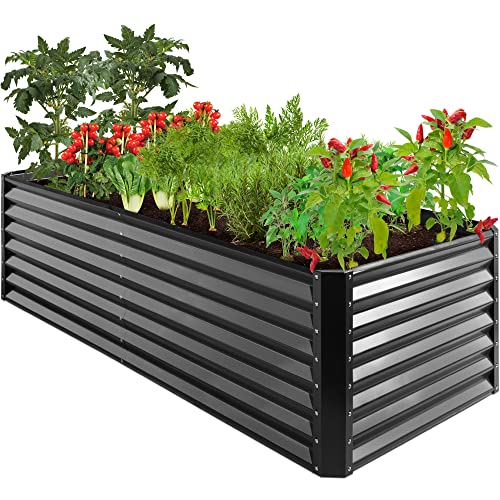
Best Choice Products 8x4x2ft Outdoor Metal Raised Garden Bed, Deep Root Planter Box for Vegetables, Herbs & Flowers, 478-Gallon Capacity, 100% Non Toxic Materials - Gray
Check price on Amazon
Best Choice Products 8x4x2ft Outdoor Metal Raised Garden Bed, Deep Root Planter Box for Vegetables, Herbs & Flowers, 478-Gallon Capacity, 100% Non Toxic Materials - Dark Green
Check price on Amazon
SnugNiture Galvanized Raised Garden Bed 8x4x2FT Outdoor Large Metal Planter Box Steel Kit for Planting Vegetables, Flowers
Check price on Amazon
Nedenyou 8x4x2FT Galvanized Raised Garden Bed,Planter Raised Beds-Metal Garden Box,Large Plant for Outdoor Planting, Vegetables Bed,Flower,herb-Black
Check price on Amazon
Nedenyou 8x4x2FT Galvanized Raised Garden Bed,Planter Raised Beds-Metal Garden Box,Large Plant for Outdoor Planting, Vegetables Bed,Flower,herb-Silver
Check price on Amazon