
Natural Way to Get Rid of Weeds Between Pavers
Say goodbye to stubborn weeds on your patio and driveway without harsh chemicals. Discover eco-friendly, pet-safe, and effective methods to keep your pavers weed-free all season long.
Explore Natural MethodsWhy Go Natural? Weeds growing between pavers are more than just an eyesore—they can widen joints, cause heaving, and create tripping hazards. While chemical herbicides are effective, they pose risks to pets, children, and the environment. Natural weed control offers a safer, sustainable alternative that protects your family and garden ecosystem while keeping your hardscaping pristine.
Why Do Weeds Thrive Between Pavers?
Pavers create the perfect micro-environment for weeds. The narrow joints trap moisture, collect organic debris, and provide warmth—ideal conditions for seeds to germinate. Common culprits include dandelions, crabgrass, chickweed, and moss. Understanding this helps you choose the right natural control strategy. Proper paver installation with tight joints and a solid base can reduce future weed problems significantly.
Effective Natural Methods to Remove Weeds Between Pavers
1. Boiling Water
The simplest, chemical-free method. Pour boiling water directly onto weeds in the joints. It kills weeds instantly by scalding the roots and leaves. Best for small areas and isolated weeds. Repeat as needed for persistent roots. Safe for pets and children once cooled.
2. White Vinegar (Acetic Acid)
Household white vinegar (5% acetic acid) is an effective natural herbicide. Spray directly on weed foliage on a sunny day. For tougher weeds, use horticultural vinegar (20% acetic acid) with caution—it's stronger but can burn skin and eyes. Avoid spraying on desirable plants. Great for weeds in cracks and crevices.
3. Salt (Sodium Chloride)
Salt dehydrates weeds and prevents regrowth. Dissolve 1 cup of salt in 2 cups of hot water and spray onto joints. Use sparingly—salt can accumulate in soil and harm nearby plants. Best for areas far from garden beds. Avoid overuse to prevent soil degradation.
4. Baking Soda
Sprinkle baking soda directly into paver joints. It alters pH and dehydrates weeds. Effective for small weeds and moss. Reapply after rain. Safe for pets but can affect soil pH if used excessively.
5. Manual Removal
The most eco-friendly approach: pull weeds by hand or use a weeding tool. Best after rain when soil is soft. Ensure you remove the entire root to prevent regrowth. Combine with joint sand replenishment to discourage new growth.
6. Mulch or Joint Sand
Prevent weeds by filling paver joints with polymeric sand or mulch. This blocks sunlight and moisture, deterring seed germination. Reapply annually to maintain a weed-free barrier.
Pet-Safe and Eco-Friendly Weed Control
If you have pets or children, prioritize methods like boiling water, manual removal, and vinegar. Avoid salt and horticultural vinegar in areas where pets roam. For a complete guide, see our article on pet-safe weed killers. These approaches ensure your outdoor living space remains safe for everyone.
Prevention: Keep Weeds From Coming Back
- Seal Paver Joints: Use polymeric sand to fill gaps tightly after removal.
- Regular Maintenance: Sweep debris and pull weeds promptly before they seed.
- Improve Drainage: Ensure proper water runoff to avoid moisture buildup.
- Use Landscape Fabric: Under pavers, fabric can block weed growth.
- Maintain Edging: Prevent grass and weeds from creeping in from borders.
Comparison of Natural Weed Control Methods
| Method | Effectiveness | Pet Safety | Best For |
|---|---|---|---|
| Boiling Water | High (instant) | Safe (when cooled) | Small patches, joints |
| White Vinegar | Moderate–High | Safe (diluted) | Broadleaf weeds, moss |
| Salt | High | Use with caution | Isolated areas away from plants |
| Manual Removal | Moderate | Very safe | All areas, especially near gardens |
| Polymeric Sand | Preventive | Very safe | Long-term prevention |
Frequently Asked Questions
Can I use vinegar on all weeds between pavers?
White vinegar works best on young, small weeds. For mature or deep-rooted weeds, combine with manual removal or repeat applications. Horticultural vinegar is stronger but requires caution.
Will salt damage my pavers or nearby plants?
Salt can corrode concrete over time and harm nearby plants if it leaches into soil. Use it sparingly and only in areas away from garden beds.
How often should I treat weeds between pavers?
Inspect monthly during growing season. Treat weeds immediately after they appear and reapply preventive sand annually.
Are natural methods as effective as chemical herbicides?
Natural methods can be equally effective with consistent application, especially when combined with prevention. They are safer for families and the environment.
Ready to reclaim your patio? Explore our recommended garden tools and organic pest control solutions to support your natural weed management routine.
Recommended Tools & Supplies for Natural Weed Control Between Pavers
⚠️ AFFILIATE DISCLOSURE: This website contains affiliate links. As an Amazon Associate, we earn from qualifying purchases. If you make a purchase through these links, we may receive a small commission at no additional cost to you. Read our full affiliate policy.

Natural Armor Weed & Grass Killer - 1 Gallon (128 oz) w/Sprayer (128 OZ. Gallon)
Check price on Amazon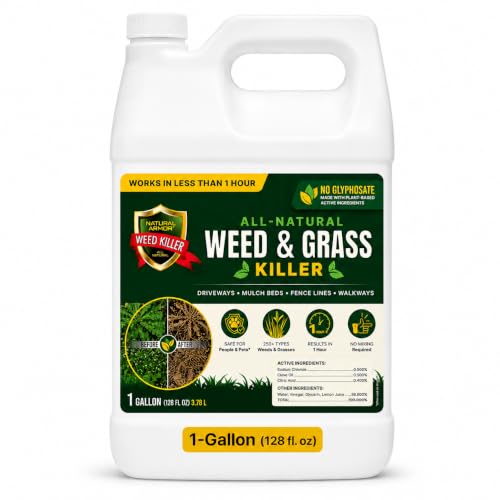
Natural Armor Weed & Grass Killer - 1 Gallon (128 oz Gallon Refill) | Works In Less Than 1-Hour Natural Weed & Grass Killer No Glyphosate
Check price on Amazon
Natural Elements Weed Killer | Pet Safe, Safe Around Children | Natural Herbicide (1 Gallon)
Check price on Amazon
OrganicMatters Natural Weed Killer Spray, No Glyphosate, Results in Less Than 24-Hours (128 oz Gallon)
Check price on Amazon
OrganicMatters Natural Weed Killer Spray, Contains No Glyphosate, People, Pets and Planet, Results in Less Than 24-Hours (128 oz Gallon Refill)
Check price on Amazon