Natural Way to Get Rid of Weeds in Cracks
Learn how to eliminate stubborn weeds from driveways, sidewalks, and paver joints using safe, eco-friendly methods that protect your family, pets, and the environment.
Why choose natural weed control? Weeds pushing through cracks in concrete, pavers, and asphalt are a constant battle for homeowners. Chemical herbicides work fast but leave behind toxic residue that can harm pets, children, and nearby plants. Natural methods — like boiling water, vinegar, and proper sealing — offer a safer alternative that is just as effective when applied correctly. This guide walks you through each method, explains when to use it, and shows you how to keep weeds from returning.
Why Weeds Thrive in Cracks
Cracks in hardscaping create the perfect micro-environment for weeds: they trap moisture, collect wind-blown soil and seeds, and warm up quickly in the sun. Once a seed lands, it germinates fast because there is no competition from lawn grass or garden plants. The key to long-term control is not just killing the visible plant but removing the conditions that allow new seeds to sprout. That means combining a killing method with a preventive step such as re-sanding or sealing the joints. If your problem extends beyond cracks into the lawn itself, our mulch guide explains how proper ground cover suppresses weeds before they start.
Top Natural Methods Compared
Boiling Water
Pour boiling water directly onto the weed crown and roots. The heat destroys cell walls instantly, killing the plant within hours. It leaves no residue, so it is completely safe for pets and children once cooled. Best for driveways and sidewalks where no desirable plants grow nearby.
Horticultural Vinegar
Vinegar with 20% acetic acid burns the top growth of young weeds on contact. Apply on a sunny, dry day for maximum effect. Household vinegar at 5% is a budget-friendly option for small seedlings but requires repeat applications. Avoid overspray on lawn edges.
Salt
A strong salt solution kills weeds and prevents regrowth for months. Use it sparingly and only in isolated cracks far from garden beds, because salt can leach into surrounding soil and damage desirable plants. Never use near tree roots or vegetable plots.
Manual Removal & Flame Weeding
A crack weeder or flat-head screwdriver removes shallow-rooted weeds quickly. For larger areas, a propane torch (flame weeder) singes the plant without chemicals. Both methods pair well with re-sanding to close the gap and stop seeds from returning.
Step-by-Step: Vinegar Method
Vinegar is one of the most popular natural solutions because it is affordable and easy to apply. Follow these steps for the best results:
- Choose a dry, sunny day with no rain forecast for at least 24 hours.
- Pour undiluted horticultural vinegar into a spray bottle or watering can.
- Spray directly onto the weed leaves and crown until thoroughly wet.
- Avoid spraying desirable plants — vinegar is non-selective and will burn any foliage it touches.
- Reapply after one week if regrowth appears, especially for deep-rooted weeds like dandelions.
Step-by-Step: Boiling Water Method
Boiling water is the simplest chemical-free option. It is ideal for cracks in driveways, patios, and between pavers where no grass or garden plants are nearby. Heat disrupts the weed's cell structure, causing it to wilt and die within a few hours. For best results, pour slowly so the water reaches the root zone rather than running off the surface. Repeat every few weeks during the growing season for persistent weeds. This method is particularly useful when you are already working on a larger low-maintenance landscaping plan and want to reduce long-term upkeep.
Preventing Weeds from Returning
Killing weeds is only half the job. Without prevention, new seeds will germinate in the same cracks within weeks. Here are the most effective long-term strategies:
- Re-sand paver joints: Polymeric sand locks joints and blocks light and moisture that weeds need.
- Seal concrete cracks: Use a concrete crack filler or self-leveling sealant to close gaps permanently.
- Keep surfaces dry: Fix drainage issues so water does not pool in joints.
- Regular sweeping: Remove soil and debris before seeds can settle.
- Spot-check monthly: Pull small seedlings by hand before they establish deep roots.
For larger areas or persistent problems between pavers, see our companion guide on the natural way to get rid of weeds between pavers. If you prefer to keep your lawn chemical-free too, our organic pest control guide covers natural solutions for common lawn and garden pests.
Method Comparison at a Glance
| Method | Speed | Best For | Pet Safety | Repeat Needed |
|---|---|---|---|---|
| Boiling water | Hours | Driveways, sidewalks | Safe once cooled | Sometimes |
| Horticultural vinegar | Hours–1 day | Young weeds, small cracks | Safe after drying | Weekly for deep roots |
| Salt | 1–3 days | Isolated cracks | Safe if contained | Rarely |
| Manual removal | Immediate | Shallow-rooted weeds | Completely safe | Monthly checks |
When to Consider a Pet-Safe Herbicide
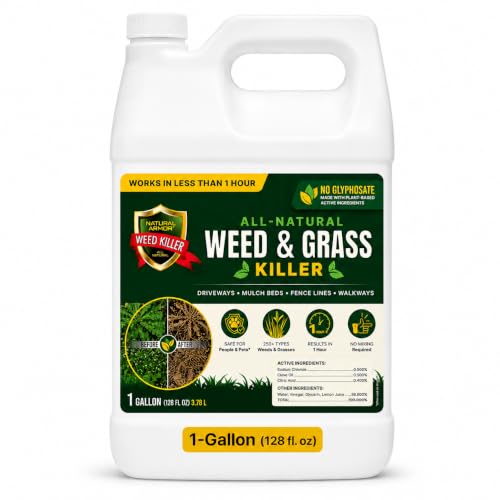
For large driveways or heavily infested areas, natural methods may need frequent repetition. If you want a product-based solution that is still safe around animals, look for a pet-safe weed killer that won't kill grass or a pet-friendly weed killer that won't kill grass. These formulations target broadleaf weeds without harming established turf, making them a practical choice for cracks along lawn edges. For vegetable gardens, choose an organic weed and grass killer for vegetable garden to stay within organic growing guidelines. Always read the label and follow application instructions carefully.
Frequently Asked Questions
Does vinegar really kill weeds in cracks?
Yes. Horticultural vinegar with 20% acetic acid burns the top growth of young weeds quickly. Household vinegar at 5% is weaker but still helps on small seedlings. Apply on a sunny day for best results.
Is boiling water safe for pets and kids?
Once cooled, boiling water is completely safe. It leaves no chemical residue, making it one of the safest natural weed control methods around pets and children.
Will salt in cracks damage nearby plants?
Salt can migrate into surrounding soil and harm desirable plants. Use it sparingly, only in isolated cracks far from garden beds, and avoid using it near tree roots.
How do I stop weeds from coming back in cracks?
After killing the weeds, fill the cracks with polymeric sand or a paver joint sealant. Keeping cracks dry and sealed removes the light and moisture weeds need to germinate.
Ready to Win the War on Weeds?
Equip yourself with the right tools and natural solutions. Explore our recommended weed-control products below to find everything you need for a weed-free driveway, patio, and garden path.
View Recommended Products