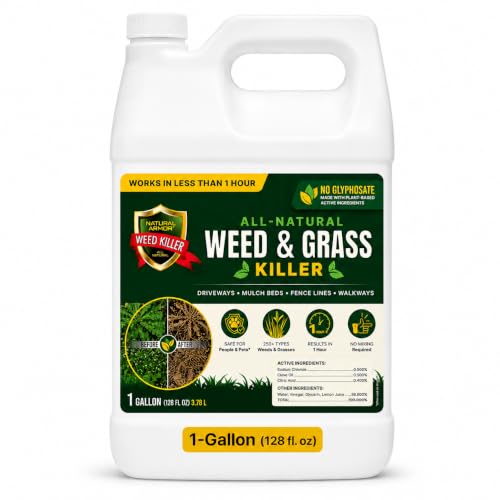
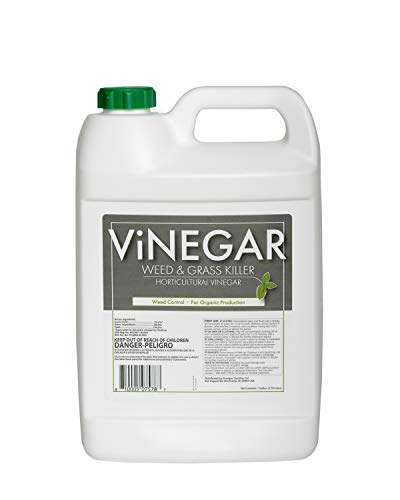
Pet Friendly Weed Killer That Won't Kill Grass
Keep your lawn lush and your furry companions safe. Learn how selective, pet-safe weed control works, which product types protect grass, and how to apply them confidently for a healthy, weed-free yard.
Why a Pet-Safe, Grass-Safe Weed Killer Matters
Weeds compete with your turf for water, nutrients, and sunlight. Left unchecked, they thin out your lawn and create bare patches that invite more weeds. But many conventional weed killers are non-selective, meaning they can damage your grass just as readily as the weeds — and some carry re-entry warnings that keep pets off the lawn for extended periods.
For households with dogs, cats, or other animals, the challenge is finding a solution that hits the weeds, spares the grass, and minimizes exposure risk. That means understanding the difference between selective and non-selective products, reading labels for pet re-entry guidance, and choosing application methods that reduce drift and overspray. If you are also dealing with pests beyond weeds, our guide to organic pest control offers complementary strategies that work well alongside a thoughtful weed management plan.
Selective vs. Non-Selective Weed Killers: The Core Difference
The single most important concept for protecting your grass is selectivity. Here is how the two categories compare:
| Category | How It Works | Effect on Grass | Pet Considerations |
|---|---|---|---|
| Selective herbicide | Targets broadleaf weeds (dandelions, clover, plantain) through plant-specific chemistry | Generally safe for established lawn grass when used as directed | Re-entry times vary; many require waiting until fully dry |
| Non-selective herbicide | Kills most plants on contact or through systemic action | Can injure or kill grass if it contacts turf | Often stricter re-entry guidance; precise application essential |
| Natural / organic options | Vinegar, citrus, corn gluten, or soap-based formulas | Many are non-selective; some pre-emergent options spare grass | Varies widely; always confirm the specific label |
If your goal is a weed killer that won't kill grass, you want to stay in the selective herbicide lane or choose natural products specifically labeled as safe for lawns. Non-selective sprays can still be useful for cracks and patios — see our guides on natural ways to get rid of weeds in cracks and between pavers — but they belong away from turf.
Types of Pet Friendly Weed Killers That Protect Grass
Within the selective and lawn-safe category, several product types stand out. Each has trade-offs in convenience, precision, and pet-safety profile.
- Granular selective weed-and-feed products: Spread evenly across the lawn, these combine a selective herbicide with fertilizer. They reduce drift and are straightforward for larger yards. Mid-range and premium formulations often include better spreading characteristics and slower-release feeding. Always water in per the label and keep pets off until dry.
- Liquid selective concentrates: Mixed with water and applied via sprayer, these allow precise spot treatment of individual weeds. They are ideal for small patches and targeted work. Entry-level concentrates are simple to mix; mid-tier and high-end options may include improved surfactants for better coverage.
- Ready-to-use selective sprays: Convenient for quick touch-ups, these are pre-mixed and ideal for small areas. They cost more per treated area but eliminate mixing errors.
- Corn gluten meal: A natural pre-emergent that suppresses weed seeds before they sprout. It does not kill existing weeds, but it is a popular pet-friendly option for preventing new growth in established lawns.
- Iron-based selective herbicides: These target broadleaf weeds like dandelions and clover while being gentler on grass. Many are marketed as lawn-safe and have favorable pet profiles when used as directed.
For broader lawn nutrition and weed control planning, pairing a selective product with a well-timed feeding program helps. Our overview of liquid lawn fertilizer and weed control concentrate explains how combined products work and when they make sense.
How to Choose a Pet Friendly Weed Killer That Won't Kill Grass
Use this checklist before you buy:
- Confirm "selective" on the label. Look for wording like "won't harm lawns," "selective broadleaf herbicide," or "safe for established turf." Avoid products described as non-selective or total vegetation killer for lawn use.
- Check the pet re-entry statement. Every reputable product lists how long pets should stay off treated areas. Choose products with clear, reasonable guidance and follow it strictly.
- Match the product to your grass type. Some selective herbicides are not safe for all turf species (for example, certain products may stress St. Augustine or centipede grass). Verify your grass type against the label.
- Consider your weed species. Broadleaf weeds respond to selective herbicides; grassy weeds like crabgrass often need pre-emergent or specialized controls. Our plant care resources and lawn guides can help you identify and manage specific problems.
- Decide between granular and liquid. Granular suits whole-lawn coverage and reduces drift; liquid suits spot treatment and precision. Many homeowners keep both on hand.
- Factor in lawn age. Newly seeded or sodded lawns are sensitive. Wait until the grass is mature before applying any herbicide.
Application Tips for Safety and Effectiveness
Even the safest product can underperform or pose unnecessary risk if applied carelessly. Follow these practices:
- Read the entire label first. The label is the law — it contains the correct rate, timing, and pet re-entry guidance for that specific product.
- Apply when pets are indoors and the lawn is dry. Choose a calm day with no rain in the forecast for at least 24 hours. Avoid windy conditions that cause drift.
- Keep pets off until fully dry. Most labels specify waiting until the product has dried completely. Some natural products may allow sooner re-entry; confirm on the label.
- Water in granular products as directed. This activates the herbicide and reduces the chance of pets ingesting granules.
- Store products securely. Keep concentrates and granules in locked cabinets away from pets and children.
- Spot-test first. On a small area, apply the product and observe grass response for a week before treating the whole lawn.
Natural and Organic Approaches That Spare Grass
Some gardeners prefer to minimize synthetic inputs. Natural options can work well when matched to the right situation:
- Corn gluten meal as a pre-emergent to stop weed seeds from sprouting — best applied before weed season and watered in.
- Proper mowing and overseeding to thicken turf so weeds have less room to establish. A dense lawn is the best long-term weed deterrent.
- Hand-pulling and targeted spot sprays for small infestations, using non-selective natural sprays only where grass is absent.
- Mulching beds to suppress weeds around ornamentals and trees — see our mulch guide for depth and material choices.
For vegetable gardens where synthetic herbicides are off the table, our article on organic weed and grass killer for vegetable gardens covers safe options and application cautions.
Common Mistakes to Avoid
- Using a non-selective spray on turf. This is the fastest way to create dead patches. Reserve total killers for cracks, driveways, and bed edges.
- Applying to a wet or stressed lawn. Herbicides work best on healthy, actively growing grass. Avoid applying during drought, heat stress, or right after mowing.
- Over-applying "to be safe." More product does not mean better results — it increases the risk of grass injury and extends pet re-entry times.
- Ignoring grass type restrictions. Some selective products are not labeled for certain warm-season grasses. Check before you spray.
- Letting pets back too soon. Follow the label's re-entry time precisely, and err on the side of caution.
Frequently Asked Questions
What is a pet friendly weed killer that won't kill grass?
It is a selective herbicide or targeted natural treatment designed to eliminate broadleaf weeds while leaving lawn grass intact, and formulated to be safer for pets when applied according to the label. The key is choosing a selective product and following re-entry guidance.
How long should pets stay off the lawn after applying weed killer?
Most manufacturers recommend keeping pets off treated areas until the product has completely dried — typically a few hours. Some natural products may allow sooner re-entry. Always read the specific label for the safest re-entry time.
Do natural weed killers kill grass too?
Many non-selective natural weed killers, such as vinegar or citrus-based sprays, can damage or kill grass if they contact it. To protect your lawn, choose selective products labeled safe for grass, or apply non-selective sprays carefully with a targeted applicator and avoid drift onto desirable turf.
Can I use pet friendly weed killer on a newly seeded lawn?
Generally no. Most weed killers, even selective ones, can harm tender young grass seedlings. Wait until the new grass has matured and been mowed several times before applying any weed control, and always check the product label for restrictions.
Are granular or liquid pet safe weed killers better?
Granular products are easy to spread and reduce drift, while liquid concentrates allow precise spot treatment. The best choice depends on your weed pressure, lawn size, and application comfort. Both types can be pet friendly when used according to label instructions.