Liquid Lawn Fertilizer and Weed Control Concentrate: A Complete Guide
Understand how liquid weed and feed concentrates work, how to choose the right formula, and how to apply it safely for a thicker, greener, and healthier lawn.
What Is Liquid Lawn Fertilizer and Weed Control Concentrate?
A liquid lawn fertilizer and weed control concentrate is a dual-action product that combines plant nutrients with a selective herbicide in a concentrated liquid form. Instead of buying a separate fertilizer and a separate weed killer, you dilute a single concentrate with water and apply it with a sprayer or hose-end attachment. The fertilizer feeds the grass, while the herbicide targets specific weeds, typically broadleaf types, without killing the established turf.
This category is often referred to as "liquid weed and feed." It sits alongside granular weed and feed products, but the liquid format behaves differently in the lawn. Because the nutrients and herbicide are suspended in water, they can be absorbed through the leaf blades and root zone more quickly than dry granules that must first dissolve. That speed is one of the main reasons homeowners choose concentrates, especially when they want to correct a lawn problem before it spreads.
Understanding the difference between the two components is essential. The fertilizer portion usually contains a blend of nitrogen, phosphorus, and potassium, plus micronutrients such as iron that support deep green color. The weed control portion uses a selective herbicide, commonly 2,4-D, dicamba, or a related active ingredient, formulated to be safe on listed turfgrass species. Reading the product label tells you exactly which weeds are controlled and which grass types are safe.
How Fertilizer and Herbicide Work Together
When you spray a diluted concentrate onto the lawn, two processes start at the same time. The fertilizer solution coats the blades and moves into the soil, where it becomes available to the grass roots. Nitrogen and potassium are taken up relatively quickly, which is why many homeowners notice a color response within a week or two after application. The herbicide portion enters the weed leaves and interferes with the weed's growth processes, causing it to yellow, curl, and eventually die off over a period of days to weeks.
The key to success is selectivity. A well-formulated weed and feed concentrate is designed to favor the turfgrass while suppressing broadleaf weeds. Grass plants have a different growth structure and metabolism than broadleaf weeds, so the active ingredient affects them differently. However, selectivity is not absolute. Applying too much product, spraying during extreme heat, or treating a lawn that is already stressed can injure the grass. The label rates exist for a reason and should always be followed.
Another factor is timing. The fertilizer works best when the grass is actively growing because that is when nutrient uptake is highest. The herbicide works best when the weeds are actively growing and have not yet gone to seed. A single application in the right season can accomplish both goals, which is why weed and feed products are so popular among homeowners who want efficiency without compromising their lawn.
Concentrate Formats and Formulations
Liquid lawn fertilizer and weed control concentrates come in several formats, and knowing the differences helps you buy the right product for your equipment and lawn size.
Hose-End Concentrate Bottles
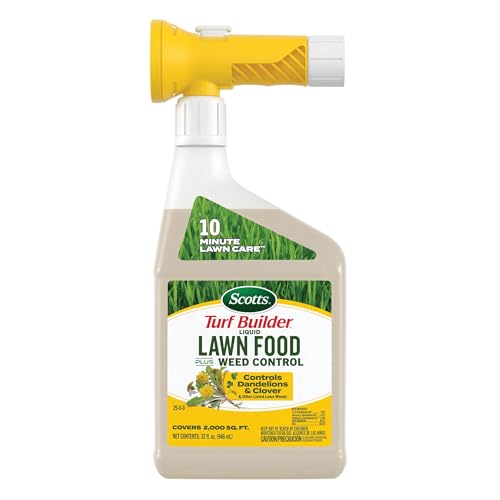
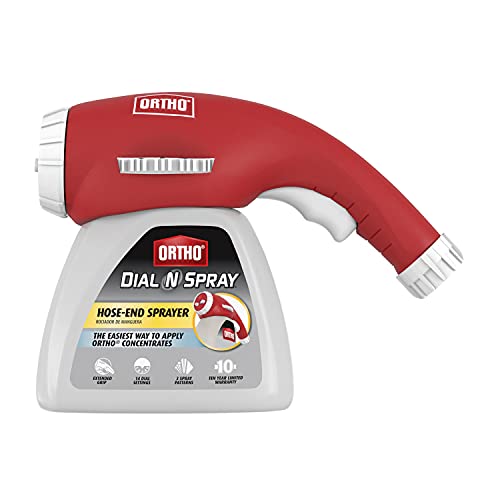
These bottles attach directly to a garden hose. The water flow mixes the concentrate automatically and sprays it across the lawn. They are the most convenient format for small to medium lawns and require no separate mixing. The trade-off is that coverage and consistency depend on water pressure, and the bottle must be emptied completely to avoid uneven application.
Mix-Your-Own Concentrates
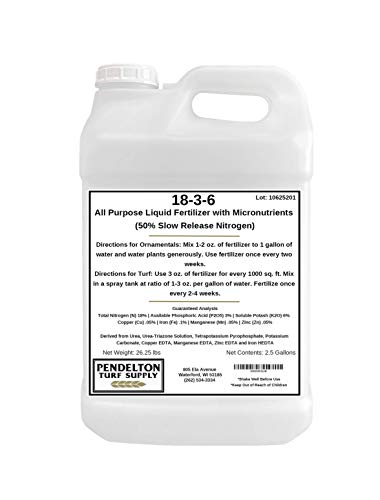
These are larger jugs of concentrate that you measure and dilute in a pump sprayer or tank sprayer. They offer more control over mixing ratios and are more economical per treatment for larger lawns. They require a sprayer, careful measurement, and proper calibration to avoid over- or under-application.
Ready-to-Use and Dilutable Formulas
Some products are sold as ready-to-spray solutions, while others are super-concentrates that make many gallons of spray. The formulation also varies by weed spectrum, grass type, and whether the product is designed for cool-season or warm-season turf. Always match the product to your grass species and the weeds you are targeting.
| Format | Best For | Key Consideration |
|---|---|---|
| Hose-end bottle | Small to medium lawns, quick treatments | Depends on water pressure; empty the bottle fully |
| Mix-your-own concentrate | Large lawns, precise dosing | Requires a calibrated sprayer and careful measuring |
| Super-concentrate | Frequent users, cost efficiency over time | Must be diluted correctly; store safely |
| Ready-to-use spray | Spot treatments and small problem areas | Higher cost per treated area; limited coverage |
Key Benefits of Liquid Concentrates Over Granular Products
Liquid concentrates have specific advantages that make them a strong choice for many lawns. They are not universally better than granular products, but for certain goals they are clearly superior.
Advantages
- Fast nutrient uptake through leaves and roots
- Even coverage when properly calibrated
- No watering-in required for many formulas
- Easy to target weeds on slopes and uneven ground
- No dusty granules or leftover pellets
- Works well with hose-end sprayers for convenience
Limitations
- Requires a sprayer and careful mixing
- Drift risk on windy days
- Shorter residual weed control than some granular products
- Over-application can burn grass
- Not ideal for very large lawns without equipment
For homeowners dealing with scattered broadleaf weeds and a lawn that needs a quick nutrient boost, a liquid concentrate is often the most practical choice. For very large properties or lawns with heavy weed pressure, a granular program or a professional service may be more appropriate. The best approach depends on lawn size, grass type, and how much time you want to spend on application.
If you are comparing approaches to overall lawn maintenance, our guide on low-maintenance landscaping explains how to reduce long-term lawn care effort while keeping the yard presentable.
How to Choose the Right Concentrate for Your Lawn
Choosing the right product starts with three questions: what grass do you have, what weeds are you fighting, and what season is it? The answers narrow the field quickly.
Identify Your Grass Type
Warm-season grasses such as Bermuda, Zoysia, and St. Augustine have different tolerances than cool-season grasses like fescue and Kentucky bluegrass. Some herbicides that are safe on one grass type can injure another. Always confirm the product label lists your grass species as safe before applying.
Identify the Weeds
Liquid weed and feed products are typically formulated for broadleaf weeds such as dandelion, clover, plantain, and chickweed. They are not designed for grassy weeds like crabgrass or nutsedge, which require different active ingredients. Match the product to the weeds you actually see, not to a general assumption.
Match the Season
Spring and early fall are the most common application windows for weed and feed products. In spring, the goal is to feed the grass as it wakes up and catch weeds before they set seed. In fall, the goal is to strengthen the root system before winter. Summer applications carry more risk because heat stress can make grass more sensitive to herbicide injury.
Check the Nitrogen Source and Ratio
Look at the nitrogen, phosphorus, and potassium ratio. A lawn that needs greening benefits from a higher nitrogen ratio, while a lawn that needs root development benefits from a more balanced formula. Slow-release nitrogen sources reduce the risk of burn and provide longer feeding.
If your lawn has chronic moss problems rather than broadleaf weeds, a weed and feed concentrate is not the right tool. Our article on what to do when your lawn is full of moss covers the underlying causes and the correct corrective steps.
Step-by-Step Application Guide
Proper application is the difference between a healthy lawn and a damaged one. Follow these steps to get consistent results and avoid common errors.
- Read the label completely. Confirm the product is approved for your grass type, check the application rate, and note the temperature and weather restrictions.
- Check the weather. Apply on a calm day with no rain expected for at least 24 hours. Avoid application when temperatures are above the label maximum or when the lawn is drought-stressed.
- Calibrate your sprayer. Measure the output of your sprayer over a known area so you know exactly how much product you are applying per 1,000 square feet. This prevents over- and under-dosing.
- Mix according to the label. Add the correct amount of concentrate to the correct amount of water. Never mix stronger than the label allows, thinking it will work better.
- Spray evenly. Use overlapping passes and a consistent walking speed. Keep the nozzle at the recommended height and avoid pausing in one spot.
- Clean the sprayer afterward. Rinse the tank and nozzle thoroughly, and dispose of rinse water according to local regulations.
- Monitor the lawn. Expect weed yellowing within several days and color improvement within one to two weeks. Do not reapply before the label's waiting period.
For homeowners who prefer to delegate the job, our guide on finding lawn care help near you explains how to evaluate local service providers and what to ask before hiring.
Safety and Environmental Considerations
Liquid concentrates contain active ingredients that require responsible handling. A few basic precautions protect you, your family, your pets, and the surrounding environment.
- Wear protective equipment. Gloves, eye protection, and long clothing reduce exposure during mixing and spraying.
- Keep children and pets off the lawn. Follow the label's re-entry interval, which is often until the spray has dried.
- Protect waterways. Do not spray near storm drains, ponds, or streams, and avoid application before heavy rain that could cause runoff.
- Store safely. Keep concentrates in their original containers, locked away from children and pets, and never transfer them to food or drink containers.
- Dispose responsibly. Follow local rules for disposing of empty containers and rinse water.
If you prefer to minimize synthetic inputs, consider combining spot treatment with cultural practices that strengthen the lawn. Our guide on organic pest control covers natural approaches that support a healthier lawn ecosystem.
Pet owners should be especially careful about product selection and timing. If your primary concern is keeping the lawn safe for animals, review our article on a pet-friendly weed killer that won't kill grass for alternative strategies and safety considerations.
Common Mistakes to Avoid
Most lawn damage from weed and feed products comes from a small number of avoidable mistakes. Avoiding them protects both your lawn and your investment.
- Over-application. More product does not mean better results. Over-dosing is the leading cause of turf burn and injury.
- Applying in the heat of the day. High temperatures increase the risk of herbicide volatility and grass stress.
- Spraying in wind. Drift can damage desirable plants in adjacent beds and neighboring properties.
- Treating a stressed lawn. Drought-stressed, diseased, or newly seeded grass should not receive herbicide.
- Skipping calibration. An uncalibrated sprayer applies an unknown rate, which makes consistent results impossible.
- Ignoring the label's grass list. A product safe on one grass type can harm another. Always verify compatibility.
If weeds keep returning despite treatment, the underlying issue is often lawn density. A thick, well-fed lawn naturally crowds out weeds. Our mulch guide and low-maintenance landscaping resources explain how to build a landscape that resists weed pressure over time.
Frequently Asked Questions
What is liquid lawn fertilizer and weed control concentrate?
When is the best time to apply liquid weed and feed?
Does liquid weed and feed kill grass?
How is liquid concentrate different from granular weed and feed?
Can I use liquid weed and feed on a newly seeded lawn?
Can I use a hose-end sprayer with any concentrate?
Will one application eliminate all weeds?
Ready to Build a Thicker, Greener Lawn?
Liquid lawn fertilizer and weed control concentrate can be a practical tool when it is matched to your grass type, applied at the right rate, and timed correctly. Start with a soil and weed assessment, choose a formula approved for your lawn, and apply it with a calibrated sprayer. If you want to explore more lawn care strategies, browse our complete lawn care guides for seasonal maintenance plans and troubleshooting help.