Organic Pest Control: Natural Solutions for a Thriving Garden
Protect your plants without harsh chemicals. Discover proven organic pest control methods — from beneficial insects to DIY sprays — that keep your garden healthy, safe, and productive.
EXPLORE NATURAL METHODSWhy Organic Pest Control Matters: Synthetic pesticides can harm beneficial insects, contaminate soil, and leave residues on edible crops. Organic pest control works with nature instead of against it — building a balanced ecosystem where pests are managed by predators, plant diversity, and targeted natural solutions. Whether you're growing vegetables or tending ornamentals, these methods protect your garden and the environment.
Understanding Organic Pest Control
Organic pest control is a holistic approach to managing garden pests using natural methods and materials. Unlike conventional pesticides that rely on synthetic chemicals, organic strategies focus on prevention, biological control, and minimally disruptive treatments. The goal isn't to eliminate every pest — it's to maintain a balanced ecosystem where pest populations stay below damaging levels.
Gardeners who practice organic pest control often find that their gardens become more resilient over time. Healthy soil, diverse plantings, and thriving populations of beneficial insects create an environment where plants can tolerate minor pest pressure without significant damage. This approach also pairs well with other sustainable gardening practices, such as using an organic weed and grass killer for vegetable gardens to keep competition at bay.
Top Organic Pest Control Methods
Companion Planting
Strategically pairing plants deters pests and attracts beneficial insects. Marigolds repel nematodes, basil confuses tomato hornworms, and nasturtiums trap aphids. This entry-level method requires only thoughtful garden planning.
Beneficial Insects
Ladybugs, lacewings, and praying mantises are natural predators that feast on aphids, mites, and other soft-bodied pests. Attract them by planting flowering herbs and avoid broad-spectrum sprays that kill both pests and allies.
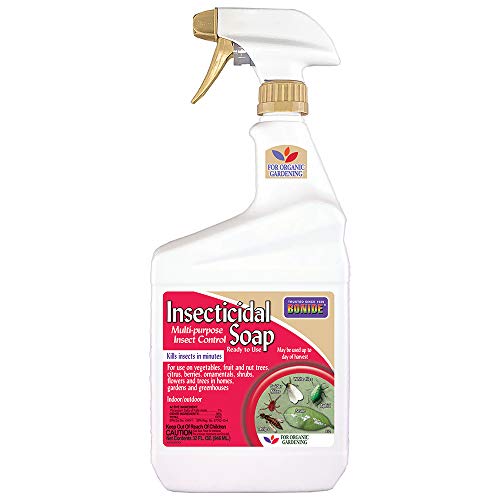
Insecticidal Soap
This mid-range solution works on contact to disrupt pest cell membranes. Effective against aphids, whiteflies, and spider mites, insecticidal soap is safe for most beneficial insects once dry and breaks down quickly in the environment.
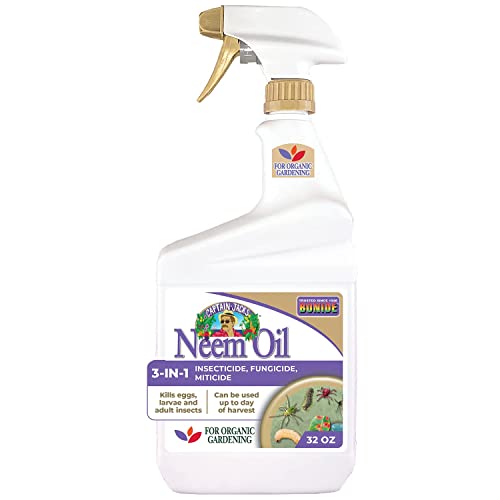
Neem Oil
Derived from neem tree seeds, this premium botanical treatment disrupts pest feeding and reproduction. It's effective against a wide range of insects and fungal diseases, making it a versatile staple in any organic gardener's toolkit.
Diatomaceous Earth
This affordable powder made from fossilized algae scratches the exoskeletons of crawling pests like slugs and ants, causing dehydration. Apply around plant bases and reapply after rain for consistent protection.
Crop Rotation & Sanitation
Rotating crops breaks pest life cycles, while removing diseased foliage and fallen debris eliminates hiding spots. These free, low-tech practices form the foundation of long-term pest prevention.
Comparing Organic Pest Control Solutions
Different situations call for different approaches. This comparison helps you choose the right organic method based on your pest problem and garden type.
| Method | Best For | Application | Ease of Use |
|---|---|---|---|
| Insecticidal Soap | Aphids, whiteflies, mites | Spray directly on pests; reapply weekly | Easy — ready-to-use options available |
| Neem Oil | Broad-spectrum insects & fungal issues | Mix with water and spray; apply early morning or evening | Moderate — requires mixing and timing |
| Diatomaceous Earth | Slugs, ants, crawling insects | Dust around plant bases; reapply after rain | Easy — simple dusting application |
| Beneficial Insects | Long-term aphid & mite control | Release or attract with companion plants | Moderate — requires habitat planning |
| Companion Planting | Prevention across the garden | Plan plantings before the season begins | Easy — integrated into garden design |
| Row Covers | Excluding flying pests & birds | Drape over crops; secure edges | Easy — install and remove as needed |
Building a Balanced Garden Ecosystem
The most effective long-term organic pest control strategy is cultivating a garden that naturally resists pest outbreaks. Start by improving soil health with compost and organic matter — healthy plants are less susceptible to pest damage. Plant a diverse mix of flowers, herbs, and vegetables to create habitat for beneficial insects.
Include plants that attract pollinators and predators, such as yarrow, daisies, and dill. These flowering plants provide nectar and pollen for adult beneficial insects, encouraging them to lay eggs near your crops. For gardeners dealing with weeds competing for resources, consider a natural way to get rid of weeds between pavers or natural weed removal in cracks to maintain a tidy garden without chemicals.
Water wisely — overhead watering can spread fungal diseases and wash away beneficial insects. Drip irrigation or soaker hoses deliver water directly to roots, keeping foliage dry and reducing disease pressure. Mulching with organic materials like straw or leaves also helps by suppressing weeds and providing habitat for ground beetles that prey on slugs and other pests.
DIY Organic Pest Sprays You Can Make at Home
Many effective organic sprays can be made from common household ingredients. Always test a small area first and avoid spraying during the heat of the day to prevent leaf burn.
- Garlic-Chili Spray: Blend garlic cloves, chili peppers, and water; strain and spray to deter aphids and chewing insects. The strong odor masks plant scents that pests use to locate their targets.
- Soap Spray: Mix a few tablespoons of mild liquid soap with water in a spray bottle. This affordable solution works on contact against soft-bodied pests like aphids and whiteflies.
- Neem Oil Mix: Combine neem oil with a small amount of emulsifier and water. This mid-range botanical spray disrupts pest feeding and reproduction while being gentle on beneficial insects once dry.
- Wood Ash Dust: Lightly dust around plant bases to deter slugs and snails. Use sparingly, as wood ash can raise soil pH over time.
- Compost Tea: Brew compost in water to create a nutrient-rich spray that boosts plant immunity and suppresses certain diseases. This free, entry-level method is a favorite among organic gardeners.
Preventing Pest Problems Before They Start
Prevention is the cornerstone of organic pest control. Choose pest-resistant plant varieties when possible, and rotate crops annually to disrupt pest life cycles. Keep garden beds clean — remove spent plants, fallen fruit, and debris that harbor overwintering pests and diseases.
Inspect plants regularly, especially the undersides of leaves where many pests feed and lay eggs. Early detection allows you to address small problems before they escalate. Handpick large pests like tomato hornworms and Japanese beetles — this simple, free method is surprisingly effective for small gardens.
Install physical barriers such as row covers, netting, or copper tape to protect vulnerable crops. These tools exclude pests without chemicals and are especially useful for preventing cabbage worms and carrot flies. For lawns, maintaining proper mowing height and watering deeply but infrequently helps grass outcompete weeds and resist pest damage — principles that align with the broader approach covered in low-maintenance landscaping guides.
Frequently Asked Questions
Organic pest control refers to methods of managing garden pests using natural, non-synthetic approaches. This includes beneficial insects, botanical sprays, companion planting, and cultural practices that avoid harmful chemicals. The goal is to work with natural ecosystems to keep pest populations in check.
A strong blast of water, insecticidal soap spray, or introducing ladybugs and lacewings are effective organic methods for controlling aphids. Neem oil also works well as a preventative measure. For severe infestations, repeat applications every few days until populations are under control.
Most organic methods like neem oil, insecticidal soap, and diatomaceous earth are safe for pets when used according to label directions. Always allow sprays to dry completely before letting pets back into treated areas, and store products out of reach. If you're also managing weeds, look for a pet-safe weed killer that won't kill grass to keep your entire garden safe for animals.
Ladybugs, lacewings, praying mantises, hoverflies, and parasitic wasps are excellent beneficial insects. Plant flowers like marigolds, daisies, and yarrow to attract them naturally. Avoid broad-spectrum pesticides that kill these helpful predators along with pests.
No — and that's actually the point. Organic pest control aims to manage pest populations below damaging thresholds, not eliminate them entirely. A balanced ecosystem always includes some pests, which sustain the beneficial predators that keep things in check. Tolerance is key to a healthy, sustainable garden.
Apply sprays in the early morning or late evening when temperatures are cooler and beneficial insects are less active. Avoid spraying in direct sunlight or high heat, which can cause leaf burn and reduce effectiveness. Never spray on windy days or when rain is expected within a few hours.