Natural Pest Control: Protect Your Garden Naturally
Discover safe, effective, and eco-friendly ways to control garden pests without harsh chemicals. Protect your plants, pollinators, and family with natural methods.
EXPLORE NATURAL METHODS🌿 Gardening naturally means working with nature, not against it. Natural pest control uses biological, physical, and cultural methods to manage pests while protecting beneficial insects, soil health, and your family. This guide covers proven organic pest control techniques that are safe, effective, and sustainable.
Whether you're dealing with aphids on your roses, caterpillars on your tomatoes, or slugs in your lettuce, there's a natural solution. Let's explore the best methods to keep your garden healthy and pest-free without synthetic pesticides.
Attract Beneficial Insects to Your Garden
🐞 Ladybugs
Ladybugs are voracious predators of aphids, mites, and scale insects. A single ladybug can eat up to 5,000 aphids in its lifetime. Attract them by planting dill, fennel, and marigolds.
🪲 Lacewings
Green lacewings are efficient predators of aphids, mealybugs, and whiteflies. Their larvae are especially effective. Plant coreopsis, sunflowers, and cosmos to attract them.
🐝 Parasitic Wasps
These tiny wasps are harmless to humans but deadly to caterpillars, aphids, and whiteflies. They lay eggs inside pests, naturally controlling populations. Plant parsley, dill, and sweet alyssum to attract them.
🐞 Hoverflies
Hoverfly larvae feed on aphids and other soft-bodied pests. Adults are important pollinators. Plant alyssum, phacelia, and buckwheat to bring them to your garden.
Planting a diverse garden with flowers that bloom throughout the season is key to attracting beneficial insects. Incorporating flowers that bloom in summer ensures a continuous food source for these natural predators.
Companion Planting for Pest Control
🌻 Marigolds
Marigolds repel nematodes, whiteflies, and aphids. Their strong scent masks host plants from pests. Plant them near tomatoes, peppers, and potatoes. Learn more about marigold planting.
🌿 Basil & Tomatoes
Basil repels tomato hornworms and improves tomato flavor. Plant basil near tomatoes to deter pests naturally. Basil also attracts pollinators to your garden.
🌱 Chives & Carrots
Chives repel carrot flies and aphids. Their onion-like scent confuses pests and keeps them away. Plant chives near carrots, tomatoes, and roses.
🌸 Nasturtiums
Nasturtiums act as a trap crop, attracting aphids away from more valuable plants. They also repel squash bugs and cucumber beetles. Plant them near cucumbers, squash, and broccoli.
Companion planting is one of the most effective natural pest control methods available. It reduces pest pressure while improving soil health and biodiversity.
Quick Companion Planting Guide
| Plant | Repels | Good Companion For |
|---|---|---|
| Marigolds | Nematodes, whiteflies, aphids | Tomatoes, peppers, potatoes |
| Basil | Tomato hornworms, flies | Tomatoes, peppers, asparagus |
| Chives | Carrot flies, aphids, Japanese beetles | Carrots, tomatoes, roses |
| Nasturtiums | Squash bugs, cucumber beetles, aphids | Cucumbers, squash, broccoli |
| Mint | Ants, fleas, aphids | Tomatoes, cabbage, peas |
| Dill | Aphids, spider mites | Cabbage, corn, onions |
Organic Pest Control Sprays & Deterrents
🧴 Neem Oil Spray
Neem oil is a natural insecticide that disrupts the life cycle of pests. It's effective against aphids, mites, whiteflies, and fungal diseases. Mix 2 tablespoons of neem oil with 1 gallon of water and a few drops of dish soap.
🧂 Diatomaceous Earth
Diatomaceous earth is a fine powder made from fossilized algae. It damages the exoskeletons of slugs, snails, and soft-bodied insects, dehydrating them. Sprinkle it around plants and garden beds.
🧄 Garlic & Chili Spray
Blend garlic and hot peppers with water to create a repellent spray. This natural deterrent works on aphids, caterpillars, and beetles. Strain and spray directly on affected plants.
🫧 Insecticidal Soap
Insecticidal soap is made from potassium salts of fatty acids. It dissolves the protective coating of soft-bodied insects like aphids and spider mites. Use a commercial organic soap or make your own with castile soap.
Always test organic sprays on a small area first and apply in the early morning or late evening to avoid harming beneficial insects. For more weed control strategies, explore our guide on natural weed management.
Physical Barriers for Pest Prevention
🛡️ Row Covers
Floating row covers create a physical barrier against flying pests like cabbage moths and whiteflies. They allow light and water through while protecting young plants.
🪜 Copper Tape
Copper tape creates a mild electric charge that deters slugs and snails. Place it around pots and raised beds to keep these pests away.
🧱 Mulch & Weed Control
A thick layer of mulch prevents pests from laying eggs in the soil and reduces weed control issues. Use straw, wood chips, or leaves as organic mulch.
🪣 Sticky Traps
Yellow sticky traps are excellent for monitoring and controlling whiteflies, fungus gnats, and aphids. Place them near infested plants.
Combining physical barriers with other natural methods provides comprehensive pest protection. For more garden protection tips, explore our guide on frost protection.
Healthy Soil = Healthy Plants
🌱 Healthy Soil
Plants grown in nutrient-rich, well-draining soil are naturally more resistant to pests. Add compost and organic matter to improve soil structure and plant health.
💧 Proper Watering
Overwatering creates conditions for fungal diseases and pests. Water deeply and infrequently, focusing on the root zone. Drip irrigation systems deliver water efficiently and keep foliage dry.
🔄 Crop Rotation
Rotating crops prevents pest populations from establishing. Move plants from different families to different areas each year to break pest cycles.
🌿 Diversity
A diverse garden with many plant species confuses pests and attracts beneficial insects. Include flowers, herbs, and vegetables together.
Focusing on plant health is the best long-term strategy. Healthy plants can withstand some pest pressure without intervention. Learn more about gardening tips for maintaining a thriving garden.
🌿 Ready to Go Natural with Pest Control?
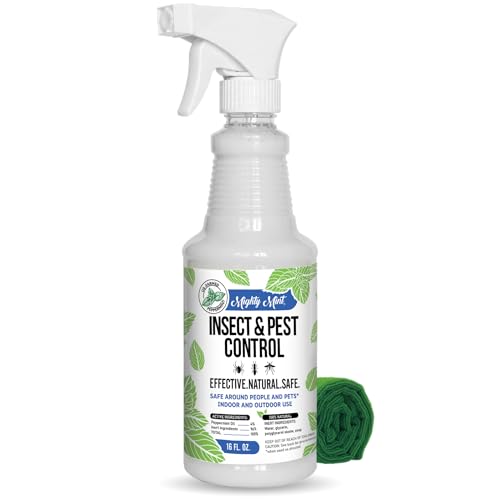
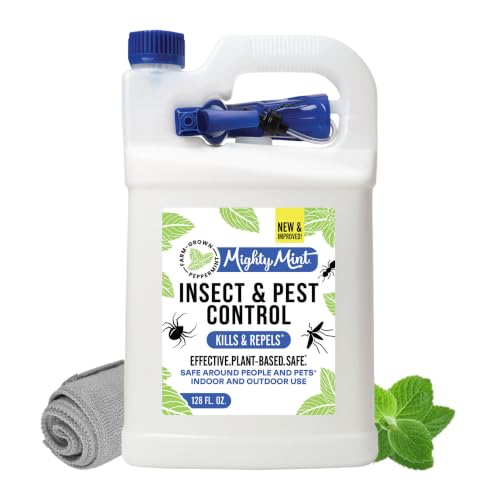
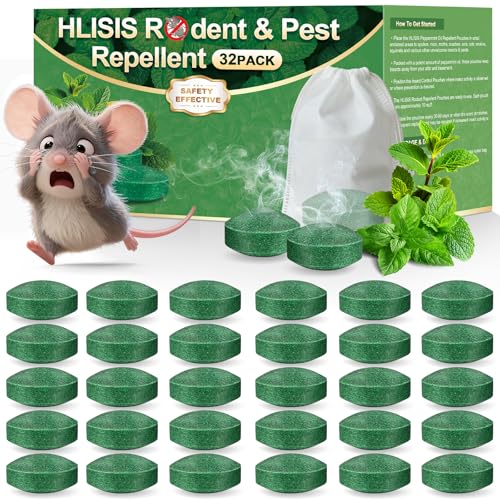
Shop the best organic pest control products below. We've selected effective, eco-friendly solutions to help you protect your garden naturally.