Floating Row Covers: Your Garden's Best Defense
Discover how floating row covers protect your plants from pests, frost, and harsh weather while boosting yields. Learn to choose, install, and use them effectively.
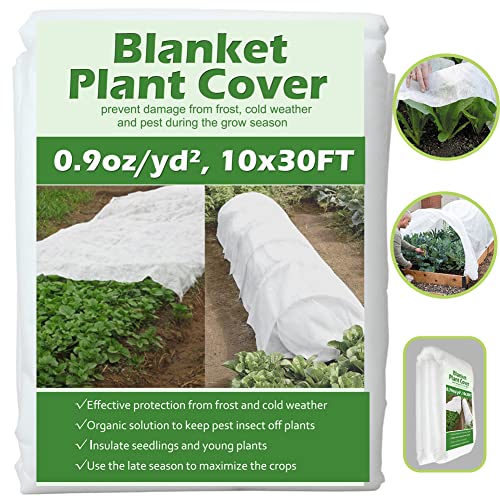
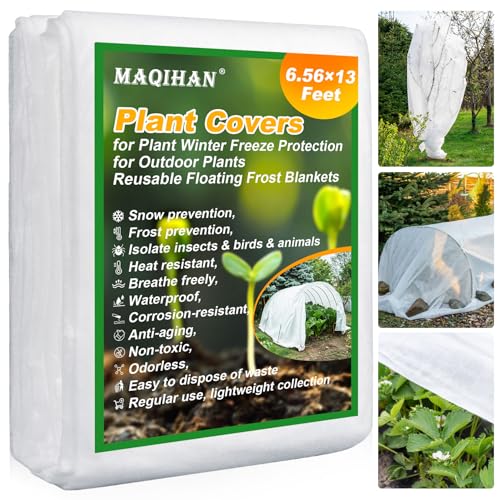
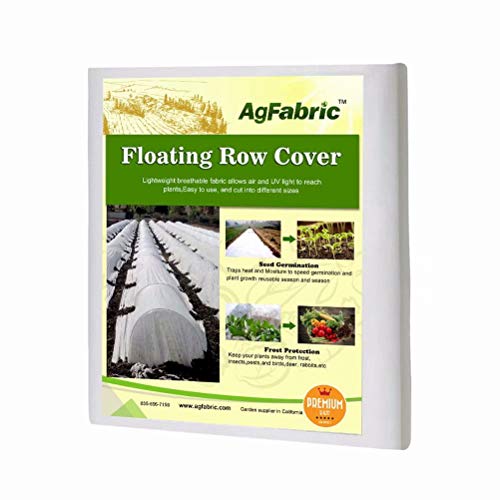
GET YOUR ROW COVERSWhy Use Floating Row Covers? Floating row covers are lightweight, breathable fabrics that create a protective barrier over your plants. They shield crops from insects, extend growing seasons, and prevent frost damage—all while allowing sunlight, air, and water to reach your plants. Whether you're growing vegetables, flowers, or herbs, row covers are a game-changer for any gardener.
Key Benefits of Floating Row Covers
Here's why savvy gardeners rely on floating row covers year after year:
🐛 Pest Protection
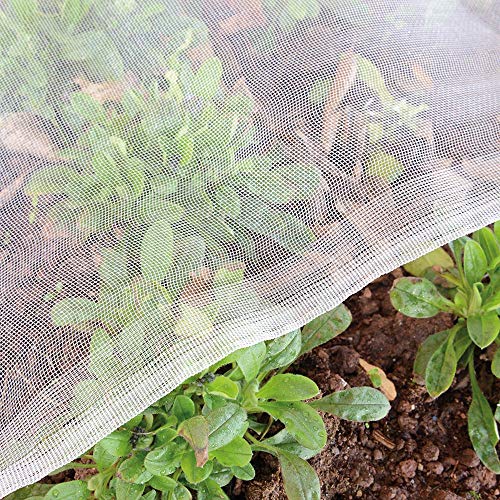
Create a physical barrier that keeps out common pests like cabbage worms, flea beetles, and aphids without using chemical pesticides.
❄️ Frost Protection
Add a few extra degrees of warmth around your plants, extending your growing season in spring and fall—some covers offer up to 8°F of frost protection.
🌱 Accelerated Growth
Row covers create a microclimate that retains heat and moisture, promoting faster germination and earlier harvests.
🌿 Weed Suppression
Lay row covers directly on soil to act as a mulch, reducing weed growth and conserving soil moisture.
Types of Floating Row Covers
Choose the right cover based on your needs. Here are the most common options:
- Lightweight (0.5 oz/yd²): Best for insect protection and light frost. Allows maximum light transmission (85–90%).
- Midweight (0.8–1.0 oz/yd²): Provides moderate frost protection (up to 4–6°F) and good insect control. Ideal for spring and fall.
- Heavyweight (1.5 oz/yd²): Offers the highest frost protection (up to 8°F) and is suitable for winter gardening or cold climates.
- Insect Netting: Fine mesh designed specifically to exclude insects while allowing airflow and light.
How to Install Floating Row Covers: Step-by-Step
Follow these steps to properly install and get the most from your row covers.
- Measure Your Beds – Determine the length and width of your garden beds. Add extra length on each side to secure the cover. For raised beds, you can use hoops or simply drape the fabric over plants. Learn more about raised bed gardening.
- Choose Your Support System – Use wire hoops, PVC arches, or low tunnels to hold the cover above plants. This prevents the fabric from touching foliage, which can cause damage in cold weather.
- Drape the Fabric – Unroll the row cover over your hoops or directly over your plants. Ensure it extends to the ground on all sides.
- Secure the Edges – Weigh down the edges with soil, rocks, or garden staples to prevent wind from lifting the cover. For row crops, you can bury the edges in soil for a snug fit.
- Maintain and Adjust – Check periodically for tears or lifting. In hot weather, remove the cover to prevent overheating. In spring, replace it at night for frost protection.
Care and Maintenance Tips
Keep your floating row covers in top condition with these simple practices:
| Task | Best Practice |
|---|---|
| Cleaning | Shake off soil and debris. Wash gently with mild soap and water, then air dry. Avoid machine washing to prevent damage. |
| Storage | Fold or roll covers and store in a cool, dry place away from rodents. Label them by weight for easy identification next season. |
| Repair | Patch small tears with row cover tape or sew them closed. Replace covers that are heavily damaged or worn out. |
| Rotation | Rotate cover locations yearly to prevent soil-borne diseases and pest buildup. |
🌿 Pro Tip: For optimal results, combine floating row covers with organic pest control methods and compost to create a truly healthy garden ecosystem.
When to Use Floating Row Covers
Timing is key. Use row covers strategically to maximize their benefits:
- Spring: Protect seedlings and transplants from late frosts and early-season pests like flea beetles.
- Summer: Use insect netting to protect brassicas (cabbage, kale, broccoli) from cabbage moths and other pests.
- Fall: Extend your harvest of cool-weather crops like kale, spinach, and lettuce by providing frost protection.
- Winter: In mild climates, use heavyweight covers to keep hardy crops alive through the coldest months.
For more season-extension techniques, explore our guides on cold frames and greenhouses.
Environmental and Economic Benefits
Floating row covers are not just effective—they're also sustainable:
- Reduced Pesticide Use: Physical barriers minimize the need for chemical sprays, protecting beneficial insects and pollinators.
- Water Conservation: Covers reduce evaporation, helping you save water while keeping soil consistently moist.
- Cost-Effective: High-quality row covers last for multiple seasons, offering excellent return on investment.
- Increased Yields: By extending the growing season and reducing crop loss, row covers help you harvest more from your garden.
Explore More Garden Protection Solutions
Expand your gardening toolkit with these related guides: