Master Composting: Expert Tips for Rich, Healthy Soil
Transform kitchen scraps and yard waste into garden gold. Discover proven composting techniques, troubleshooting advice, and how to use compost to grow your most vibrant garden yet.
Start Composting TodayLet Gardening Composting Philosophy: Composting is nature's way of recycling. By composting, you reduce landfill waste, create nutrient-rich soil amendments, and help your plants thrive naturally. Whether you're a beginner or a seasoned gardener, these tips will help you build a successful compost system.
Composting Basics: What You Need to Know
Composting is the controlled decomposition of organic matter. It's a simple, natural process that turns kitchen scraps, yard waste, and other organic materials into a dark, crumbly, nutrient-rich soil conditioner called compost. Using compost improves soil structure, provides essential nutrients to plants, and helps retain moisture.
To start composting, you need a mix of "greens" (nitrogen-rich materials like fruit peels, grass clippings, coffee grounds) and "browns" (carbon-rich materials like dried leaves, straw, cardboard). A good ratio is roughly 1 part green to 2 parts brown. Learn more about the basics of composting here.
Why Compost? The Benefits for Your Garden
🌿 Improves Soil Health
Compost adds essential organic matter to your soil, improving its structure, aeration, and water-holding capacity. It also encourages beneficial microorganisms that help plants absorb nutrients.
💧 Reduces Water Usage
Soil enriched with compost retains moisture more effectively, meaning you'll need to water less frequently. This is especially beneficial during dry spells and for raised bed gardening.
♻️ Reduces Waste
Composting diverts organic waste from landfills, where it would otherwise produce methane—a potent greenhouse gas. It's a simple way to reduce your environmental footprint.
🌱 Boosts Plant Growth
Compost provides a slow-release source of nutrients that plants need to grow strong and healthy. It's an excellent alternative to synthetic fertilizers and is a key component of organic gardening.
How to Compost: A Step-by-Step Guide
Step 1: Choose Your Compost Bin
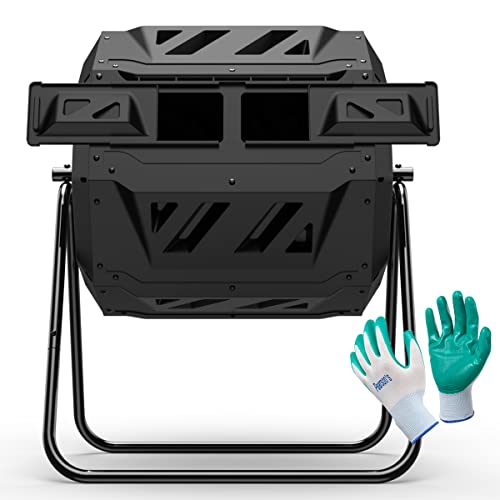
Select a bin that fits your space and needs. Options include open piles, tumblers, and multi-bin systems. For beginners, a simple enclosed bin or compost bin is a great start. If you're short on space, a container gardening approach with a small compost tumbler works well.
Step 2: Layer Greens and Browns
Start with a layer of coarse material (like twigs) for aeration, then add alternating layers of greens and browns. Aim for a ratio of 2-3 parts browns to 1 part greens by volume. Good greens include vegetable scraps, coffee grounds, and fresh grass clippings. Browns include dry leaves, straw, and shredded paper. For more detailed guidance, check out our composting tips page.
Step 3: Keep It Moist and Aerated
Your compost pile should be as moist as a wrung-out sponge. Turn the pile every 1-2 weeks to introduce oxygen, which speeds up decomposition. If the pile is too dry, add water; if too wet, add more browns. Proper ventilation is crucial for aerobic composting.
Step 4: Harvest Your Compost
In 2-6 months, your compost will be ready when it's dark, crumbly, and smells like earth. Use it to enrich garden beds, top-dress lawns, or mix into potting soil for container vegetables. You can also brew it into compost tea for a liquid fertilizer boost.
Troubleshooting Common Composting Issues
- Pile is too dry or not breaking down: Add water and more greens, and turn the pile thoroughly. Ensure the pile is large enough (at least 3x3x3 feet) to retain heat. If it's still slow, consider adding a compost starter.
- Pile smells bad (rotten eggs): This usually means too much moisture and not enough oxygen. Turn the pile and add more brown materials like dry leaves or shredded paper to absorb excess moisture. Avoid adding meat or dairy.
- Pile attracts pests: Make sure you're not adding meat, dairy, or oily foods. Bury food scraps under a layer of browns. If you have a persistent problem, try using a closed bin or tumbler.
- Compost is taking too long: Ensure your pile has a good balance of greens and browns. Chop materials into smaller pieces to speed up decomposition. Turning more frequently can also help.
Advanced Composting Techniques
Once you've mastered the basics, you can explore more advanced methods to supercharge your composting.
- Vermicomposting: Using worms (usually red wigglers) to break down food scraps. It's ideal for small spaces and produces worm castings, a nutrient-rich fertilizer.
- Bokashi Composting: A fermentation method that uses a specific bran to compost all food waste, including meat and dairy, in an airtight container.
- Hot Composting: Managing your pile to achieve high temperatures (130-160°F) for faster decomposition and to kill weed seeds and pathogens. This requires careful monitoring of moisture and turning.
- Sheet Composting: A no-dig method where you layer compost materials directly onto garden beds in the fall, allowing them to break down over winter. This is a great way to prepare your flower garden for spring.
For more advanced strategies, including how to integrate composting with raised bed gardening and companion planting, explore our other guides.
How Compost Transforms Your Soil
Compost isn't just fertilizer; it's a complete soil conditioner. It improves soil structure by binding sandy soil particles together and breaking up heavy clay soil, allowing for better root growth and drainage. This is especially important for plants like tomatoes and peppers that need well-drained soil.
Moreover, compost feeds the soil food web—the billions of bacteria, fungi, and other microorganisms that make nutrients available to plants. Healthy soil means healthier, more resilient plants that are better able to resist pests and diseases, reducing the need for chemical interventions.
Seasonal Composting Tips
Spring
Turn your pile and add fresh greens as you start your garden. Use mature compost to prepare beds for planting.
Summer
Monitor moisture closely. Hot weather can dry out your pile. Add water and turn more frequently. Add grass clippings in thin layers.
Fall
Stockpile leaves for browns. This is a great time to build a new pile for next spring. Add a layer of soil to help microbes overwinter.
Winter
Insulate your pile with straw or leaves to keep it active. Composting slows but doesn't stop in cold weather.
Explore More Gardening Guides
Ready to take your gardening to the next level? Check out these related guides:
- Raised Bed Gardening – Build the perfect raised bed for your vegetables.
- Compost Tea – Learn how to make and use this liquid gold.
- Organic Gardening 101 – Grow your garden the natural way.
- Best Soil for Raised Beds – Create the ideal growing medium.