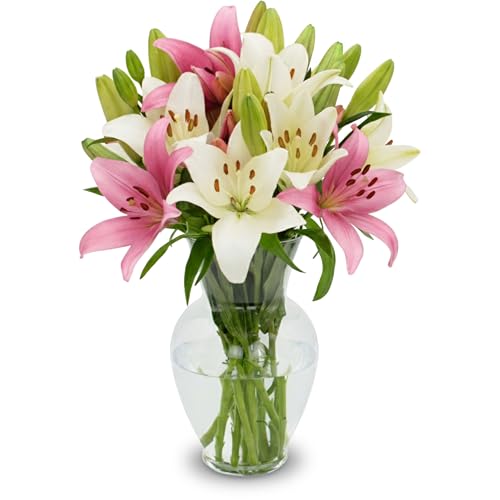
The Lily Flower: A Complete Guide to Growing Elegant Blooms
Lily flowers are among the most treasured perennials in any garden. With their dramatic trumpet shapes, intoxicating fragrance, and stunning color range, lilies bring elegance and vertical interest to beds, borders, and containers. This guide covers everything you need to know — from choosing the right variety to planting, care, and design inspiration.
Explore Lily Varieties & Care TipsWhy lilies deserve a place in your garden: Lilies (Lilium spp.) are hardy perennials that return year after year with minimal fuss when planted correctly. They attract pollinators, work beautifully as cut flowers, and offer bloom times from early summer through autumn depending on the variety. Whether you are a first-time grower or a seasoned gardener, understanding the lily's basic needs — sunlight, drainage, and proper planting depth — is the key to spectacular results.
Understanding Lily Flower Types and Varieties
Before you plant, it helps to know which type of lily suits your climate and design goals. The most popular garden lilies fall into a few major groups, each with distinct characteristics in height, bloom time, and fragrance.
Asiatic Lilies
Entry-LevelThe earliest bloomers and the easiest to grow. Asiatic lilies offer bold, upward-facing flowers in vivid shades — reds, oranges, yellows, pinks, and whites. They are unscented, compact (2–4 feet), and excellent for beginners or small gardens. Plant them in full sun with well-drained soil.
Oriental Lilies
PremiumKnown for their large, intensely fragrant blooms and later summer flowering. Oriental lilies (including the famous 'Stargazer') demand a bit more attention but reward you with exotic beauty. They prefer slightly acidic soil and benefit from afternoon shade in hot climates. Heights range from 3–6 feet.
Trumpet and Aurelian Lilies
Mid-RangeThese tall, dramatic lilies feature long trumpet-shaped flowers that face outward or downward. They are vigorous growers, often reaching 5–8 feet, and bloom in mid-to-late summer. Their fragrance is sweet and far-reaching — perfect for the back of a border or a cutting garden.
Martagon Lilies
SpecialtyAlso called Turk's Cap lilies, Martagons produce many small, nodding flowers on tall stems. They are shade-tolerant and ideal for woodland gardens. Slower to establish than other types, they are a long-term investment that rewards patient gardeners with unique, graceful blooms.
Daylilies (Hemerocallis)
Budget-FriendlyAlthough not true lilies, daylilies are often grouped with them in garden planning. They are incredibly tough, drought-tolerant, and come in thousands of cultivars. Each flower lasts only a day, but the plant produces many blooms over a long season. Ideal for low-maintenance landscapes.
Species Lilies
Collector's ChoiceWild-type lilies such as Lilium martagon, Lilium lancifolium (Tiger Lily), and Lilium candidum (Madonna Lily) offer natural charm and hardiness. They are often more tolerant of local conditions and are a wonderful choice for pollinator gardens and naturalized areas.
When selecting lilies, check the hardiness zone and bloom time for your area. Most garden lilies thrive in U.S.D.A. zones 3–9, but specific varieties may have narrower ranges. Pair early-blooming Asiatics with later Orientals to enjoy lily flowers from June through September.
How to Plant Lily Bulbs for Best Results
Successful lily growing starts with proper planting. Unlike many bulbs, lilies should be planted in spring or early autumn, and they need deep planting to support their tall stems and encourage strong root development.
Step-by-Step Planting Guide
- Choose a sunny location: Most lilies need at least 6 hours of direct sunlight. However, in hot climates, afternoon shade protects the blooms from scorching. If you are designing a full-sun border, consider combining lilies with perennial full-sun flowers that bloom all summer for continuous color.
- Prepare the soil: Lilies demand excellent drainage. Amend heavy clay with compost and coarse sand. A raised bed is an excellent solution for poorly drained sites — see our guide to outdoor metal raised garden beds for a durable option. The ideal soil pH is slightly acidic to neutral (6.0–7.0).
- Plant at the right depth: As a rule of thumb, plant lily bulbs three times their height deep. Large Oriental and Trumpet lilies may need 6–8 inches of soil above the bulb; smaller Asiatics can be planted 4–6 inches deep. Space bulbs 8–12 inches apart to allow air circulation.
- Water thoroughly: After planting, water deeply to settle the soil and eliminate air pockets. Keep the soil consistently moist but never waterlogged during the growing season.
- Mulch lightly: A 2-inch layer of organic mulch helps retain moisture and keep roots cool. Avoid piling mulch directly against the stems. Our mulch guide explains the best mulch types for different garden situations.
Expert Tip: Lily bulbs never go fully dormant — they should be planted as soon as possible after purchase. If you must store them briefly, keep them in a cool, dark place in slightly damp peat moss or sawdust. Never let bulbs dry out completely.
Lily Flower Care: Watering, Feeding, and Maintenance
Once established, lilies are relatively low-maintenance. The table below summarizes the key care requirements for healthy, long-lasting plants.
| Care Aspect | Recommendation | Notes |
|---|---|---|
| Sunlight | Full sun (6+ hours); afternoon shade in hot climates | Insufficient light leads to weak stems and fewer blooms. |
| Watering | Deep watering once a week; more frequent in drought | Keep soil moist but not soggy. Avoid overhead watering to prevent fungal issues. |
| Fertilizing | Balanced fertilizer in early spring; low-nitrogen formula before blooming | Too much nitrogen encourages foliage at the expense of flowers. |
| Mulching | 2–3 inches of organic mulch | Keeps roots cool and suppresses weeds. Keep mulch away from stems. |
| Staking | Stake tall varieties (4+ feet) before blooms open | Prevents wind damage and keeps flowers upright. |
| Deadheading | Remove spent flowers to encourage more blooms | Leave foliage intact until it yellows to nourish the bulb. |
| Pest Control | Watch for aphids, lily beetles, and slugs | Use organic pest control methods to protect pollinators. |
Fertilizing Lilies
Lilies benefit from a light feeding regimen. Apply a balanced slow-release fertilizer in early spring as new shoots emerge. Avoid high-nitrogen formulas, which promote lush foliage but reduce flower production. Bone meal is a traditional favorite for bulbous plants — it provides phosphorus and calcium for strong root and flower development.
Watering Best Practices
Lilies prefer consistent moisture but are intolerant of standing water. Water deeply once a week during dry spells, allowing the top inch of soil to dry slightly between waterings. Drip irrigation or soaker hoses are ideal because they deliver water to the root zone without wetting the foliage, which helps prevent botrytis and other fungal diseases.
Pest and Disease Management
The most common lily pests include aphids, spider mites, and the notorious red lily beetle. Handpick beetles early in the morning, or use insecticidal soap for aphids. Slugs can damage emerging shoots — set out organic slug traps or barriers. For a comprehensive approach, explore our organic pest control guide.
Fungal diseases such as botrytis blight thrive in humid, poorly ventilated conditions. Ensure good air circulation by spacing plants adequately and avoiding overhead watering. Remove and dispose of infected foliage promptly.
Using Lily Flowers in Garden Design
Lilies are versatile design elements. Their upright habit and bold blooms make them natural focal points, while their relatively narrow footprint allows them to be tucked into mixed borders without crowding neighbors.
Companion Planting with Lilies
Pair lilies with plants that offer complementary textures and colors. Low-growing perennials such as perennial ground cover plants for full sun help shade lily roots and create a lush carpet beneath the tall stems. Ornamental grasses, salvia, and coneflowers add movement and extended interest.
For a pollinator-friendly garden, combine lilies with perennial flowers that attract butterflies and hummingbirds. The lily's nectar-rich blooms are a magnet for beneficial insects and hummingbirds during their peak season.
Lilies in Containers and Small Spaces
Dwarf Asiatic lilies perform beautifully in containers on patios and balconies. Use a deep pot (at least 12 inches) with excellent drainage, and fill it with a quality potting mix. Container-grown lilies need more frequent watering than those in the ground. Place pots where you can enjoy the fragrance — near seating areas or entryways.
Lilies as Cut Flowers
Lilies are among the best cut flowers for arrangements. Harvest stems when the first bud opens and others are still closed; this ensures a long vase life. Remove the lower leaves to keep water clean, and change the water every two days. Note that some Oriental lilies have intense fragrance that can overpower small rooms — use them in well-ventilated spaces.
Design Idea: Plant a "lily lane" along a path or driveway using a single variety for dramatic impact. Alternatively, create a succession of bloom by interplanting early Asiatics, mid-season Trumpets, and late Oriental lilies in the same bed.
Seasonal Care Calendar for Lilies
Spring
New shoots emerge as soil warms. Remove winter mulch gradually, fertilize lightly, and stake tall varieties early. Watch for slug damage on tender shoots. This is also the time to divide overcrowded clumps if necessary.
Summer
Peak bloom season. Water consistently, deadhead spent flowers, and monitor for pests. Enjoy the fragrance and color — and don't forget to cut a few stems for indoor arrangements. Continue watering until foliage begins to yellow.
Autumn
After blooming, allow foliage to photosynthesize and die back naturally. This replenishes the bulb for next year. In colder zones, apply a layer of mulch after the ground freezes to prevent heaving. Plant new lily bulbs in early autumn for roots to establish before winter.
Winter
Most garden lilies are fully dormant in winter. Protect container-grown lilies from hard freezes by moving pots to a sheltered location or wrapping them with insulation. Avoid watering dormant bulbs excessively, as rot can occur in cold, wet soil.
Bring the Elegance of Lilies to Your Garden
Lily flowers offer unmatched beauty and fragrance with surprisingly manageable care. Whether you choose easygoing Asiatics, fragrant Orientals, or stately Trumpet lilies, a well-planned planting will reward you with years of spectacular summer displays. Start with healthy bulbs, plant them deeply in well-drained soil, and provide consistent moisture — then let these elegant perennials do what they do best: transform your garden into a living masterpiece.
Frequently Asked Questions About Lily Flowers
When is the best time to plant lily bulbs?
The best time to plant lily bulbs is in early autumn, when soil is still warm and roots can establish before winter. Spring planting also works well, especially in colder climates where autumn planting risks frost damage. Plant bulbs as soon as possible after purchase — they should never dry out completely.
How deep should I plant lily bulbs?
A good rule of thumb is to plant lily bulbs three times their height deep. For large Oriental and Trumpet lilies, that means about 6–8 inches of soil above the bulb. Smaller Asiatics can be planted 4–6 inches deep. Deeper planting helps support tall stems and protects bulbs from temperature extremes.
Do lilies come back every year?
Yes, true lilies (Lilium species) are hardy perennials that return year after year when planted in suitable conditions. They multiply slowly, forming larger clumps over time. Daylilies (Hemerocallis) are also reliable perennials. With proper care — especially allowing foliage to die back naturally after blooming — your lilies will thrive for many seasons.
Why are my lilies not blooming?
Common reasons for lack of blooms include insufficient sunlight (lilies need at least 6 hours), overcrowding, excessive nitrogen fertilizer (which promotes foliage over flowers), or removing foliage too early after blooming. Bulbs also need a cold dormant period to set flower buds. If your lilies are in heavy shade or have been fed a high-nitrogen lawn fertilizer, adjust accordingly.
Are lilies toxic to pets?
True lilies (Lilium species) are highly toxic to cats — even small amounts of pollen or leaves can cause kidney failure. They are also dangerous for dogs, though less severely. If you have pets, keep lilies out of reach or choose pet-safe alternatives. Daylilies are also toxic to cats. Always consult your veterinarian if you suspect ingestion.
How do I overwinter lilies in cold climates?
Most garden lilies are hardy in U.S.D.A. zones 3–9, but in zones 3–5, apply a layer of mulch (straw, leaves, or pine boughs) after the ground freezes to prevent alternate freezing and thawing. Container-grown lilies should be moved to a sheltered spot or an unheated garage. Avoid watering during dormancy to prevent bulb rot.
Looking to expand your garden beyond lilies? Explore our guides on low-maintenance perennial flowers that bloom all summer and perennial plants that bloom all summer in full sun for continuous color. If you are designing a front yard, consider low-maintenance landscaping ideas that incorporate bulbs and perennials. For shade gardens, perennials for shade that bloom all summer in zone 5 offer excellent companion options.