Perennials for Shade That Bloom All Summer in Zone 5
Turn a shady zone 5 garden into a season-long showcase with reliable, cold-hardy perennials that flower from June through September — even with limited sunlight.
Last updated: October 19, 2026 · Expert gardening guide by Let Gardening
Why this guide matters: Zone 5 gardeners face winters as cold as −20°F, and shady beds add another layer of challenge. The perennials below have been selected for their proven ability to survive zone 5 winters, tolerate reduced sunlight, and deliver extended bloom — so you can enjoy continuous color without replanting every season. Whether you are refining an established bed or planting a new one, this guide helps you choose, combine, and care for long-blooming shade perennials with confidence.
Understanding Shade and Zone 5 Conditions
Before selecting plants, it helps to define exactly what "shade" means in your garden. Gardeners commonly describe shade in three practical categories:
- Partial shade: roughly 3–6 hours of direct sun, often morning sun with afternoon protection. This is the sweet spot for most long-blooming shade perennials.
- Full shade: less than 3 hours of direct sun, or dappled light all day. Fewer plants bloom heavily here, but the selections below still perform with adequate moisture.
- Dry shade: shade under mature trees where roots compete for water. These areas demand extra soil preparation and moisture management.
Zone 5 winters reliably drop to −20°F, so cold hardiness is non-negotiable. Every perennial recommended here is rated hardy through zone 5, and most tolerate zone 4 as well. If you garden in a slightly colder pocket, see our companion guide on perennials for shade that bloom all summer in zone 4 for even tougher options.
One more consideration: long bloom in shade rarely comes from a single plant. The most effective strategy is to layer plants with staggered bloom times — early summer, midsummer, and late summer — so the bed never goes quiet. The selections below are grouped to help you build that sequence.
Top Perennials for Shade That Bloom All Summer in Zone 5
The following perennials are the most dependable performers for zone 5 shade gardens. Each entry notes bloom window, light preference, and practical care notes so you can match plants to your specific site.
Hardy Geranium (Cranesbill)
Bloom: late spring through midsummer, with repeat bloom if deadheaded. Tolerates partial shade and dryish soil once established. Low mounding habit makes it an excellent front-of-border plant.
Mid-tier
Astilbe
Bloom: early to midsummer, with plume-like flowers that persist for weeks. Prefers partial shade and consistently moist soil. Available in a range of heights and colors, from compact edgers to taller backdrop plants.
Entry-level
Hellebore (Lenten Rose)
Bloom: late winter into early summer, with some varieties reblooming. Evergreen foliage in mild winters. Thrives in partial to full shade and tolerates dry shade better than most.
Premium
Brunnera (Bugloss)
Bloom: mid to late spring, with forget-me-not-like flowers. Grown primarily for its striking silver-patterned foliage that lights up shade all season. Prefers partial shade and moist soil.
Mid-tier
Lungwort (Pulmonaria)
Bloom: early to mid-spring, with spotted foliage providing season-long interest. One of the earliest nectar sources for pollinators. Prefers partial shade and consistent moisture.
Entry-level
Coral Bells (Heuchera)
Bloom: late spring into summer, with airy flower spikes. Grown mainly for colorful foliage in purple, lime, amber, and silver. Tolerates partial shade and average soil; avoid soggy sites in winter.
Mid-tier
Japanese Anemone
Bloom: late summer into fall — the anchor of late-season shade color. Prefers partial shade and moist, well-drained soil. Taller varieties may need staking in windy sites.
Mid-tier
Hosta
Bloom: midsummer flower spikes, but valued primarily for bold foliage in dozens of sizes and colors. Thrives in partial to full shade. Choose slug-resistant varieties for the best results.
Entry-level
Editorial note: Tier labels (entry-level, mid-tier, premium) describe relative market positioning and plant rarity — not quality. All plants listed are proven performers; the tier simply reflects how commonly they are available and how much specialized care they may require.
Bloom Calendar: Sequencing for Continuous Color
To keep a shade bed flowering from June through September, combine plants across three bloom windows. The table below shows a practical sequencing plan for zone 5.
| Bloom Window |
Recommended Perennials |
Design Role |
| Early summer (June) |
Hardy geranium, astilbe, lungwort (foliage), brunnera |
Front and mid-border color |
| Midsummer (July) |
Astilbe (late varieties), coral bells, hosta blooms |
Mid-border interest |
| Late summer (Aug–Sept) |
Japanese anemone, reblooming hardy geranium |
Back and mid-border anchors |
| Season-long foliage |
Hellebore, brunnera, coral bells, hosta |
Structure and texture |
For gardeners who also want sunny-bed options, our guide to low-maintenance perennial flowers that bloom all summer pairs well with this shade plan for a balanced landscape. And if your shade is more accurately described as morning shade with afternoon sun, see perennial plants for morning shade and afternoon sun for tailored selections.
Planting and Soil Preparation for Shade Perennials
Shade perennials reward good soil preparation more than almost any other garden investment. Follow these steps for best results:
- Test and amend: Most shade perennials prefer slightly acidic to neutral soil (pH 6.0–7.0). Incorporate 2–3 inches of compost into the top 8–10 inches before planting.
- Manage tree root competition: In dry shade, water deeply and less frequently to encourage roots to grow downward rather than staying near the surface.
- Space for airflow: Good air circulation reduces fungal problems in humid shade. Follow spacing recommendations on plant tags.
- Mulch after planting: A 2–3 inch organic mulch layer conserves moisture and moderates soil temperature. Keep mulch a few inches away from crowns to prevent rot. Our mulch guide explains material choices in detail.
- Water consistently: Newly planted perennials need regular watering through their first full growing season, even shade plants.
If you are expanding your shade garden into a larger landscape project, our low-maintenance landscaping guide offers broader design principles that work well with perennial borders.
Care Tips for Long-Lasting Shade Bloom
Deadheading and Rebloom
Removing spent flowers encourages many shade perennials — notably hardy geraniums and astilbe — to produce additional blooms. For astilbe, deadheading also prevents self-seeding and keeps the clump tidy.
Watering Strategy
Deep, infrequent watering builds stronger root systems than daily light sprinkling. Aim for roughly 1 inch of water per week, delivered in one or two sessions, adjusting for rainfall and soil type.
Fertilizing
A light application of balanced organic fertilizer in early spring is usually sufficient. Over-fertilizing shade perennials pushes leafy growth at the expense of flowers. For detailed guidance, see our plant fertilizers reference.
Pest and Disease Management
Slugs are the most common shade-garden pest, especially around hostas. Hand-picking, beer traps, and copper barriers are effective low-impact controls. For a broader strategy, our organic pest control guide covers natural solutions that protect beneficial insects.
Division and Renewal
Most perennials in this list benefit from division every 3–5 years to maintain vigor and bloom quality. Divide in early spring as new growth emerges. Our plant propagation guide explains timing and technique for common garden perennials.
Designing a Shade Border That Blooms All Season
A well-designed shade border uses three layers:
- Back layer: Taller plants such as Japanese anemone and larger hosta varieties for structure.
- Mid layer: Astilbe, coral bells, and brunnera for color and texture through the season.
- Front layer: Hardy geranium, lungwort, and compact hostas to edge the bed.
Repeat plant groupings in odd numbers (three or five) for visual rhythm, and echo foliage colors — silver brunnera against deep purple coral bells, for example — to extend interest beyond bloom windows. For more front-yard context, our low-maintenance front yard landscaping with rocks guide shows how shade perennials integrate with hardscape elements.
Common Mistakes to Avoid
- Assuming "shade" means "dry": Many shade perennials need consistent moisture. Dry shade is a distinct challenge requiring drought-tolerant selections like hellebore.
- Planting too deep: Crowns buried below soil level invite rot. Plant at the same depth the plant grew in its nursery pot.
- Skipping winter mulch: In zone 5, freeze-thaw cycles can heave newly planted perennials out of the ground. Mulch after the ground freezes.
- Expecting instant full bloom: Newly divided or transplanted perennials often bloom lightly their first season. Full performance typically arrives in year two or three.
- Ignoring drainage: Winter wet is more damaging than winter cold for many perennials. Amend heavy clay with compost and, if needed, plant on slight mounds.
Frequently Asked Questions
What perennials bloom all summer in shade in zone 5?
Hardy geraniums, astilbe, hellebores, brunnera, lungwort, coral bells, hostas (for foliage), and Japanese anemone are the most reliable choices. No single plant blooms nonstop for the entire season, so combine early, mid, and late bloomers for continuous color.
How do I get continuous bloom in a zone 5 shade garden?
Layer plants with staggered bloom times, deadhead spent flowers to encourage rebloom, amend soil with compost, and water consistently. Pair early bloomers like hellebores with midsummer astilbe and late-season Japanese anemone.
What is the difference between partial shade and full shade in zone 5?
Partial shade means roughly 3–6 hours of direct sun, often morning sun with afternoon protection. Full shade means less than 3 hours of direct sun. Most long-blooming shade perennials prefer partial shade but tolerate full shade with adequate moisture.
Do shade perennials in zone 5 need special winter protection?
Most zone 5 hardy perennials survive winter without protection. Apply a 2–3 inch layer of mulch after the ground freezes to prevent heaving. Avoid cutting back evergreen or semi-evergreen types like hellebores until spring.
Related Guides You May Find Useful
If your garden includes sunnier areas, explore our guides to perennial plants that bloom all summer in full sun and perennial full sun flowers that bloom all summer. For pollinator-friendly options, see perennials to attract hummingbirds and butterflies. And for gardeners working with more challenging low-light conditions, our guide to outdoor plants that don't need sunlight (perennial) offers additional selections.
Shade Gardening Essentials for Zone 5 Perennial Beds
⚠️ AFFILIATE DISCLOSURE: This website contains affiliate links. As an Amazon Associate, we earn from qualifying purchases. If you make a purchase through these links, we may receive a small commission at no additional cost to you.
Read our full affiliate policy.

Seeds Multicolor Tall Lupine Mix 50+ Seeds to Grow Perennial in Zones 4-8 to Plant in Spring or Fall
Check price on Amazon
⚠️ Note: The purchase links above are affiliate links. As an Amazon Associate, we earn from qualifying purchases at no additional cost to you.

Perennial Farm Marketplace Echinacea purpurea ‘Cheyenne Spirit’ (Coneflower) Live Perennial, Size-Quart, Mixed Color Summer Flowers, USDA Zones 4-8
Check price on Amazon
⚠️ Note: The purchase links above are affiliate links. As an Amazon Associate, we earn from qualifying purchases at no additional cost to you.

Easy to Grow Hosta Bumper Crop Mix 30 Trimmed Roots - Mixed Varieties Colorful Foliage, Summer Flowers Partial to Full Shade Zones 3-8
Check price on Amazon
⚠️ Note: The purchase links above are affiliate links. As an Amazon Associate, we earn from qualifying purchases at no additional cost to you.

Perennial Farm Marketplace Sisyrinchium angustifolium ‘Lucerne’ (Blue-Eyed Grass) Native Live Perennial, Size-Quart, Blue Spring to Summer Flowers, Zones 5-8
Check price on Amazon
⚠️ Note: The purchase links above are affiliate links. As an Amazon Associate, we earn from qualifying purchases at no additional cost to you.
Easy to Grow Hosta Bumper Crop Mix 10 Trimmed Roots - Mixed Varieties Colorful Foliage, Summer Flowers Partial to Full Shade Zones 3-8
Check price on Amazon
⚠️ Note: The purchase links above are affiliate links. As an Amazon Associate, we earn from qualifying purchases at no additional cost to you.

Perennial Farm Marketplace Phlox paniculata 'Jeana' (Summer) Perennial, Size-#1 Container, Lavender Pink Flowers
Check price on Amazon
⚠️ Note: The purchase links above are affiliate links. As an Amazon Associate, we earn from qualifying purchases at no additional cost to you.

Perennial Farm Marketplace Lamium maculatum ‘Shell Pink’ (Dead Nettle) Live Perennial, Size-#1 Container, Soft Pink Spring to Summer Flowers with Variegated Foliage, Zones 4-9
Check price on Amazon
⚠️ Note: The purchase links above are affiliate links. As an Amazon Associate, we earn from qualifying purchases at no additional cost to you.
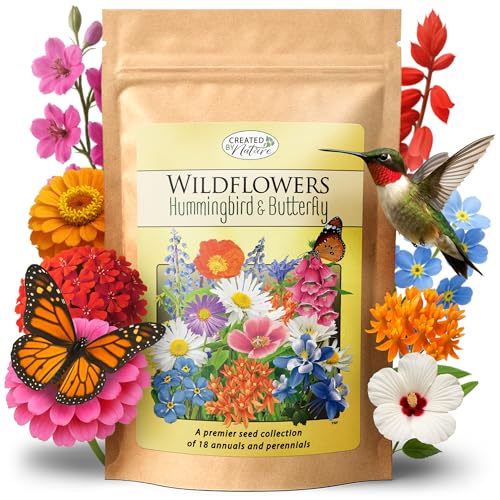
Hummingbird & Butterfly Wildflower Seed Mix, 60,000 Seeds, Covers 300 Sq Ft | 18 annual and perennial varieties with colorful blooms that attract hummingbirds, butterflies, and other pollinators.
Check price on Amazon
⚠️ Note: The purchase links above are affiliate links. As an Amazon Associate, we earn from qualifying purchases at no additional cost to you.
