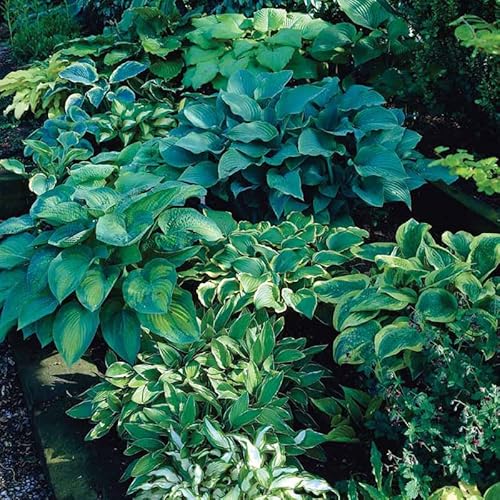
Perennial Plants for Morning Shade and Afternoon Sun
Turn that tricky east-to-south exposure into a thriving garden bed. These resilient perennials love cool mornings and soak up the afternoon light.
Many gardeners overlook the value of a spot that gets shade in the morning and sun in the afternoon. In reality, this is one of the most versatile microclimates in the landscape. The morning shade protects plants from dew-related disease and cool temperatures, while the afternoon sun delivers the energy needed for strong flowering. If you have been searching for perennial plants for morning shade and afternoon sun, this guide will help you choose species that thrive in exactly this rhythm — and explain how to plant and care for them so they return year after year.
Why Morning Shade and Afternoon Sun Is a Winning Combination
Plants that grow in partial shade with a sunny afternoon exposure benefit from a natural balance. Morning shade keeps foliage dry from overnight dew, reducing the risk of fungal problems such as powdery mildew and black spot. When the sun arrives in the afternoon, it dries the soil surface and encourages strong photosynthesis during the warmest part of the day.
This exposure also suits species that originated at woodland edges, where filtered light in the morning gives way to stronger sun later. If you are still exploring which perennials fit different light profiles, our guide to outdoor perennial plants that like direct sunlight is a helpful companion read, and our article on low-maintenance perennial flowers that bloom all summer covers extended-bloom options for similar beds.
One caveat: afternoon sun can be intense in hot climates. In those regions, choose heat-tolerant perennials, water deeply in the morning, and apply a 2–3 inch layer of organic mulch to keep roots cool. For mulch selection and application depth, see our full mulch guide.
Top Perennial Plants for Morning Shade and Afternoon Sun
The following perennials are well known for tolerating morning shade while still flowering reliably with afternoon sun. Most are mid-range to premium in terms of garden performance, meaning they offer dependable value without demanding constant attention. Each entry includes a short note on light, soil, and care.
1. Hellebore (Lenten Rose)
A classic woodland perennial that thrives with morning shade and tolerates afternoon sun once established. Evergreen foliage and early-season blooms make it a top-tier choice for year-round interest.
2. Heuchera (Coral Bells)
Grown primarily for its colorful foliage, heuchera handles morning shade beautifully and appreciates the drying effect of afternoon sun. Choose mid-range varieties with stronger sun tolerance for hotter zones.
3. Daylily (Hemerocallis)
Tough, affordable, and dependable, daylilies bloom best with at least four to six hours of direct sun. They tolerate morning shade without complaint and reward you with repeat bloom on reblooming varieties.
4. Coneflower (Echinacea)
A pollinator favorite with strong drought tolerance. Coneflowers prefer full sun but perform well when the morning is shaded, especially in hotter climates.
5. Salvia (Perennial Sage)
Spiky blooms in blue, purple, and pink attract hummingbirds and bees. Salvias need good drainage and plenty of afternoon light to flower heavily.
6. Coreopsis (Tickseed)
A budget-friendly, long-blooming perennial that loves afternoon sun. Deadheading keeps flowers coming from early summer into fall.
7. Geranium (Hardy Cranesbill)
Low-growing, mid-tier perennials that tolerate morning shade and produce delicate flowers in late spring. Excellent as a border or ground cover.
8. Russian Sage (Perovskia)
A premium choice for hot, dry spots. Russian sage needs full afternoon sun and sharp drainage; it is ideal for the sunniest edge of a morning-shade bed.
9. Penstemon (Beardtongue)
Excellent for attracting hummingbirds. Penstemon prefers afternoon sun and well-drained soil, and it makes a striking vertical accent in mixed borders.
10. Yarrow (Achillea)
An affordable, drought-tolerant perennial with flat flower clusters. Yarrow thrives in afternoon sun and tolerates poor soil, making it a reliable performer.
If butterflies and hummingbirds are part of your garden goal, pair these selections with the plants featured in our article on perennial flowers that attract butterflies and hummingbirds.
Quick Comparison of the Best Options
Use this table to match plants to your soil and moisture conditions. The quality tier column gives a general sense of garden performance, not a specific price range.
| Plant | Light Needs | Soil | Water | Performance Tier |
|---|---|---|---|---|
| Hellebore | Morning shade, afternoon sun | Rich, well-drained | Moderate | Premium |
| Heuchera | Partial shade to afternoon sun | Well-drained, slightly acidic | Moderate | Mid-range |
| Daylily | Afternoon sun essential | Adaptable | Low to moderate | Entry-level to mid-range |
| Coneflower | Afternoon sun | Well-drained | Low once established | Mid-range |
| Salvia | Morning shade, afternoon sun | Sandy, well-drained | Low | Mid-range |
| Coreopsis | Full afternoon sun | Average, well-drained | Low | Budget-friendly |
| Hardy Geranium | Partial shade to sun | Moist, well-drained | Moderate | Mid-range |
| Russian Sage | Full sun | Lean, very well-drained | Low | Premium |
| Penstemon | Morning shade, afternoon sun | Gravelly, well-drained | Low to moderate | Mid-range |
| Yarrow | Full sun | Poor to average, well-drained | Low | Affordable |
How to Plant and Care for Perennials in This Exposure
Success with perennials for morning shade and afternoon sun comes down to three things: soil preparation, watering rhythm, and mulch. Here is a simple framework you can follow.
1. Prepare the soil before planting
Most of these perennials need well-drained soil. If your soil is heavy clay, amend it with compost and coarse grit before planting. Raised beds are an excellent option — our article on the outdoor metal raised garden bed for vegetables, flowers, and herbs shows how a raised structure can solve drainage problems in a single season.
2. Water in the morning
Water at the base of the plant early in the day so foliage dries before the afternoon sun hits. This single habit dramatically reduces fungal issues. Newly planted perennials need consistent moisture for the first season; established plants generally need deep watering once a week.
3. Mulch to protect roots
A 2–3 inch layer of organic mulch keeps roots cool during the sunny afternoon and conserves moisture. Avoid piling mulch against stems. Our mulch guide explains which materials work best for perennial beds.
4. Fertilize lightly
Most perennials in this group do not need heavy feeding. A balanced, slow-release fertilizer in spring is usually sufficient. Over-fertilizing encourages lush foliage at the expense of flowers.
5. Divide every few years
Perennials such as daylilies and hardy geraniums benefit from division every three to four years. Dividing rejuvenates the clump and gives you free plants to expand your garden.
Design Ideas for a Morning-Shade, Afternoon-Sun Bed
A bed with this exposure works beautifully as a mixed border. Combine tall background plants like Russian sage or penstemon with mid-height bloomers such as coneflower and salvia, then edge the bed with low growers like hardy geranium. Add spring interest with hellebore, which blooms before most other perennials wake up.
If your front yard needs a refresh, the same principles apply. Our guides on low-maintenance front yard landscaping with rocks and front yard landscaping ideas with rocks and mulch show how to combine perennials with hardscaping for year-round structure.
For more inspiration on low-effort plantings that still look polished, browse our collection of low-maintenance plants that come back every year and our list of outdoor plants that are easy to take care of.
Common Mistakes to Avoid
- Planting sun-lovers in deep shade. Afternoon sun is essential for flowering in most of these species. If the spot is shaded all day, choose different plants.
- Watering in the evening. Evening watering leaves foliage wet overnight, inviting disease. Water in the morning instead.
- Skipping mulch. Bare soil dries out quickly under afternoon sun. Mulch is not optional in this exposure.
- Overcrowding. Give perennials room to breathe; good air circulation is the best defense against fungal problems.
- Ignoring drainage. Most perennials in this group rot in waterlogged soil. Amend heavy soil or plant in raised beds.
Frequently Asked Questions
What does morning shade and afternoon sun mean for plants?
It means the planting area receives cool, gentle shade during the morning and direct, intense sunlight for roughly four to six hours in the afternoon. This microclimate suits perennials that dislike wet foliage and scorching midday heat but still need strong light to bloom.
Can perennials for morning shade and afternoon sun survive in hot climates?
Yes, provided you choose heat-tolerant species and use a thick layer of mulch to keep roots cool. In very hot regions, afternoon sun can be brutal, so select plants labeled as drought tolerant and water deeply once or twice a week during the peak of summer.
How often should I water perennials in this light exposure?
Water deeply once a week for established plants, and two to three times a week for newly planted perennials during their first season. Always water at the base in the morning so foliage dries before the afternoon sun hits, which helps prevent fungal disease.
Which perennials bloom the longest in this exposure?
Coreopsis, salvia, and coneflower offer some of the longest bloom periods. Reblooming daylilies also perform well. Deadheading spent flowers extends bloom time for nearly all of these species.
Do these perennials attract pollinators?
Yes. Salvia, coneflower, penstemon, and yarrow are all strong pollinator plants. They attract bees, butterflies, and hummingbirds, making them valuable additions to any wildlife-friendly garden.