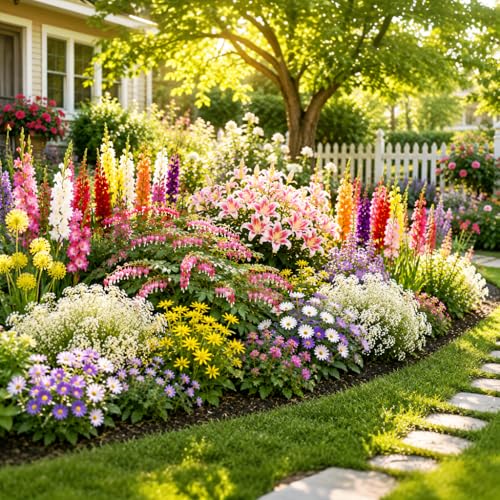
Perennials to Attract Hummingbirds and Butterflies
Transform your garden into a vibrant pollinator haven. Discover the best perennial flowers that bring hummingbirds and butterflies back year after year — with expert planting, design, and care guidance.
Explore Top PerennialsWhy perennials are the smart choice for pollinators: Unlike annuals, perennials return every season, giving hummingbirds and butterflies a reliable food source without replanting. They also build stronger root systems over time, improve soil health, and create a permanent habitat corridor for pollinators.
Whether you are designing a new pollinator garden or upgrading an existing bed, this guide covers the most effective perennials, design strategies, and maintenance tips to keep hummingbirds and butterflies visiting all season long.
Hummingbirds and butterflies are not just beautiful visitors — they are essential pollinators that support the health of your entire garden ecosystem. By choosing the right perennials, you can create a self-sustaining habitat that supports these creatures from early spring through late fall. This guide walks you through the best species, how to combine them, and how to care for them so your garden becomes a destination for pollinators year after year. If you are also planning a larger landscape, explore our low-maintenance landscaping ideas to integrate pollinator-friendly perennials seamlessly.
Why Choose Perennials for Pollinator Gardens
Perennials offer a long-term solution for attracting wildlife. Because they return each year, pollinators learn to rely on your garden as a consistent feeding ground. This builds a stable local population of hummingbirds and butterflies over time. Perennials also tend to be more drought-tolerant once established and require less water and maintenance than annuals. Many native perennials are specifically adapted to local pollinators, making them the most effective choice for organic gardening and sustainable landscapes.
Additionally, perennials provide more than nectar. Some serve as host plants for butterfly caterpillars, while others offer shelter and nesting material. Combining nectar-rich flowers with host plants creates a complete habitat. For a broader list of options, see our guide to perennial flowers that attract butterflies and hummingbirds.
Top Perennials That Attract Hummingbirds and Butterflies
Below are the most reliable perennials for pollinator gardens, organized by their primary strength and bloom season. Each entry includes tier descriptors to help you choose based on your experience level and garden goals.
Bee Balm (Monarda)
Fragrant, tubular flowers in red, pink, and purple. A magnet for hummingbirds and long-tongued butterflies. Blooms midsummer to early fall. Prefers full sun to partial shade and moist, well-drained soil.
Why it works: High nectar content and bright color signal make it a primary hummingbird target.
Coneflower (Echinacea)
Sturdy, drought-tolerant perennial with daisy-like blooms. Butterflies flock to its landing pad-shaped flowers. Blooms summer through fall. Available in purple, white, orange, and red.
Why it works: Seed heads feed birds in winter; nectar feeds butterflies in summer.
Salvia (Sage)
Spiky, tubular flowers in blue, purple, red, and white. Hummingbirds adore the red and purple varieties. Long bloom season with deadheading. Drought-tolerant once established.
Why it works: Tubular shape perfectly matches hummingbird beaks.
Phlox
Clusters of fragrant flowers in pink, purple, white, and red. Butterflies love the flat landing surface. Blooms early to midsummer. Tall garden phlox adds vertical interest.
Why it works: Fragrance and flower shape attract both pollinators and gardeners.
Butterfly Bush (Buddleja)
Arching branches with cone-shaped flower clusters. A legendary butterfly magnet. Blooms midsummer to frost. Needs full sun and well-drained soil; prune hard in early spring.
Why it works: Produces abundant nectar and a strong scent that draws butterflies from far away.
Lantana
Clusters of tiny flowers in yellow, orange, pink, and red. Attracts butterflies and hummingbirds in warm climates. Drought-tolerant and deer-resistant. Blooms from summer to frost.
Why it works: Multi-colored flower clusters signal nectar availability to multiple pollinator species.
Black-Eyed Susan (Rudbeckia)
Golden-yellow daisy flowers with dark centers. Butterflies use the flat flowers as landing platforms. Blooms midsummer to fall. Tolerates poor soil and drought.
Why it works: Open flower structure provides easy nectar access for short-tongued butterflies.
Cardinal Flower (Lobelia)
Brilliant red spikes that hummingbirds cannot resist. Blooms late summer to early fall. Prefers moist soil and partial shade. A critical late-season nectar source.
Why it works: Red tubular flowers are perfectly adapted for hummingbird pollination.
Quick Comparison: Bloom Time and Pollinator Match
| Perennial | Bloom Season | Sun Needs | Hummingbirds | Butterflies |
|---|---|---|---|---|
| Bee Balm | Mid summer – Early fall | Full sun – Partial shade | Excellent | Excellent |
| Coneflower | Summer – Fall | Full sun | Good | Excellent |
| Salvia | Late spring – Fall | Full sun | Excellent | Good |
| Phlox | Early – Mid summer | Full sun – Partial shade | Good | Excellent |
| Butterfly Bush | Mid summer – Frost | Full sun | Good | Exceptional |
| Lantana | Summer – Frost | Full sun | Excellent | Excellent |
| Black-Eyed Susan | Mid summer – Fall | Full sun | Fair | Excellent |
| Cardinal Flower | Late summer – Early fall | Partial shade – Full sun | Exceptional | Good |
Pros and Cons of Perennial Pollinator Gardens
Advantages
- Return every year with minimal replanting effort
- Build a stable, long-term habitat for pollinators
- Deeper root systems improve soil and water retention
- Many are native and support local ecosystems
- Lower maintenance once established
- Provide seasonal blooms from spring through fall
Considerations
- Slower to establish than annuals in the first season
- Requires choosing species suited to your hardiness zone
- Some spread aggressively and need division
- Bloom windows vary — plan for staggered flowering
- Initial investment is higher than seed annuals
- May need winter protection in colder zones
Design Strategies for a Pollinator-Friendly Perennial Garden
Attracting hummingbirds and butterflies is not just about which flowers you choose — it is about how you arrange them. Pollinators are visual creatures and respond to color, shape, and mass. Here are proven design principles:
1. Plant in clusters. Group three to five of the same perennial together. This creates a visible mass of color that pollinators can spot from a distance and provides efficient feeding stops.
2. Use warm colors. Hummingbirds are especially drawn to red, orange, and pink. Butterflies favor purple, yellow, and white. Combine both palettes for maximum diversity. For more ideas on sun-loving bloomers, see our list of perennial plants that bloom all summer in full sun.
3. Stagger bloom times. Plan for early, mid, and late-season flowers so nectar is available from spring through frost. Cardinal flower and asters extend the season late, while phlox and salvia start early.
4. Include host plants. Nectar feeds adults, but caterpillars need specific host plants. Include dill, fennel, parsley, and native milkweed to support butterfly reproduction.
5. Provide water and shelter. A shallow birdbath with pebbles gives butterflies a place to drink. Hummingbirds need a misting source or small fountain. Leave some bare soil patches for ground-nesting bees and butterflies.
6. Avoid pesticides. Even organic sprays can harm pollinators. Use organic pest control methods and encourage beneficial insects.
Ongoing Care and Maintenance
Once established, perennial pollinator gardens are relatively low-maintenance. However, a few key practices keep them productive:
Deadheading: Removing spent flowers encourages reblooming in salvia, bee balm, and lantana. Leave some seed heads on coneflower and black-eyed Susan for winter bird food.
Division: Every three to four years, divide crowded perennials in early spring or fall. This rejuvenates plants and gives you free plants to expand your garden.
Mulching: Apply a two-inch layer of organic mulch to retain moisture and suppress weeds. Follow our mulch guide for best practices.
Winter care: Leave standing stems and seed heads through winter to provide shelter for overwintering insects. Cut back in early spring once temperatures consistently warm up.
Soil health: Top-dress with compost each spring. Avoid synthetic fertilizers, which can encourage excessive foliage at the expense of flowers. Healthy soil supports stronger nectar production.
Choosing the Right Perennials for Your Zone
Always match perennials to your U.S.D.A. hardiness zone. A plant that thrives in zone 5 may struggle in zone 9, and vice versa. Here are some general guidelines:
Cooler zones (3–6): Bee balm, coneflower, phlox, and cardinal flower are excellent choices. These plants tolerate cold winters and return reliably. For shade-tolerant options, see perennials for shade in zone 4 or zone 5 shade perennials.
Warmer zones (7–10): Lantana, salvia, and butterfly bush perform well. Choose heat-tolerant varieties and provide afternoon shade in extreme heat. Explore outdoor perennial plants that like direct sunlight for more options.
All zones: Native perennials are always the safest bet. They are adapted to local climate and soil, and they support local pollinators most effectively. Visit a nursery of plants near me to find native varieties suited to your area.
Ready to Build Your Pollinator Garden?
Start with a few top-performing perennials and watch your garden come alive with hummingbirds and butterflies. Explore our recommended tools and supplies below to get started.
See Recommended ToolsFrequently Asked Questions
Bee balm, coneflower, salvia, butterfly bush, phlox, and lantana are top perennials that attract both hummingbirds and butterflies. These plants produce abundant nectar and have flower shapes suited to different pollinator mouthparts. For a more detailed list, read our guide to perennial flowers that attract butterflies and hummingbirds.
Yes. True perennials return year after year in their hardiness zone. Choose varieties suited to your U.S.D.A. zone, and many will naturalize and expand over time. Some perennials are short-lived in warmer zones but will reseed themselves. Always check the zone rating before planting.
Plant in clusters of three to five perennials, group warm colors like red, orange, and purple, provide a shallow water source, and include host plants for butterfly caterpillars alongside nectar-rich flowers. Stagger bloom times so food is available from spring through fall. Avoid pesticides and leave some bare soil for ground-nesting pollinators. See our low-maintenance landscaping ideas for design inspiration.
Early spring or early fall is ideal. Spring planting allows roots to establish before summer heat, while fall planting gives plants a head start before winter dormancy. In cooler zones, spring planting is safer for tender perennials. Water deeply after planting and mulch to retain moisture.
Yes. Butterflies need shallow water and minerals from damp soil — a puddling area or birdbath with pebbles works well. Hummingbirds need fresh water for bathing and drinking; a misting fountain or small dripper is ideal. Keep water clean and refill regularly to prevent mosquito breeding.
Looking for more pollinator-friendly plants? Explore our guides on low-maintenance perennial flowers that bloom all summer and low-maintenance plants that come back every year.