Lightweight Cordless Leaf Blower with Battery and Charger: The Complete Buying Guide
Find the perfect cordless leaf blower that combines portability, power, and convenience. Learn what to look for in battery-powered blowers, how to match runtime to your yard size, and which features truly matter before you buy.
START YOUR RESEARCHWhy go cordless? A lightweight cordless leaf blower with battery and charger gives you the freedom to move around your yard without dragging extension cords or dealing with gas fumes. Modern lithium-ion batteries deliver impressive power in compact packages, making these blowers ideal for patios, driveways, walkways, and small to mid-sized lawns. This guide will help you understand the key specifications, compare quality tiers, and choose a model that fits your cleanup routine.
Understanding Cordless Leaf Blower Basics
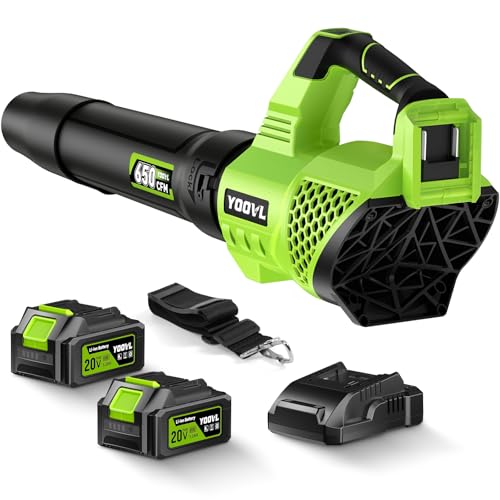
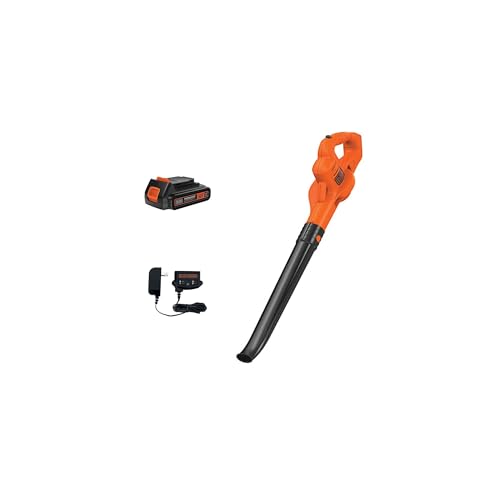
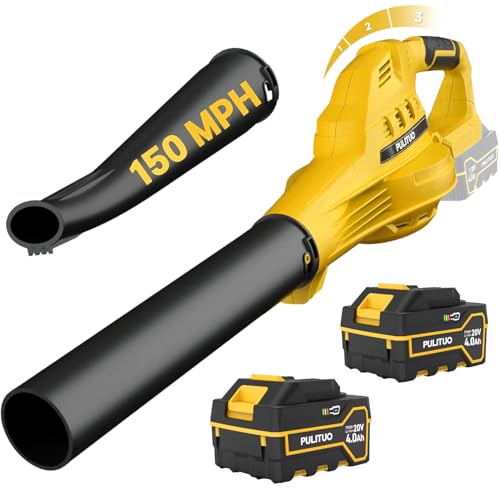
A cordless leaf blower is powered by a rechargeable battery, usually lithium-ion, that snaps into the tool's handle or base. The kit typically includes the blower, one or more batteries, and a charger. This all-in-one approach means you can unbox the tool and start clearing debris immediately without buying separate components.
The main appeal is portability: no cords to trip over, no gas cans to store, and no exhaust fumes to breathe. Cordless blowers start instantly with a trigger pull, run quieter than gas models, and require far less maintenance. The trade-off is that runtime is limited by battery capacity, and heavier tasks may require a spare battery or a higher-tier model.
For most homeowners, a lightweight cordless blower is perfect for clearing leaves from mulch beds, sweeping driveways and patios, drying surfaces after washing, and tidying up around outdoor living spaces. They are less suited for large properties with heavy, wet leaf accumulation—for that, you may want to explore leaf blowers and vacuums with more power.
Key Specifications to Compare
- Air velocity (mph): Measures how fast air exits the nozzle. Higher velocity helps dislodge stuck leaves and debris.
- Air volume (CFM): Measures how much air moves per minute. Higher CFM sweeps wider areas faster.
- Battery voltage and amp-hours (Ah): Higher voltage generally means more power; higher Ah means longer runtime.
- Weight: Lightweight models typically range from 4 to 7 pounds with the battery installed. Comfort matters for extended use.
- Charger type: Standard chargers take longer to recharge; rapid chargers reduce downtime significantly.
- Nozzle design: Concentrator nozzles boost velocity for tough spots; wide nozzles cover more ground for general sweeping.
Quality Tiers: Entry-Level, Mid-Range, and Premium
To make your decision easier, we classify lightweight cordless leaf blowers into three quality tiers. These descriptors reflect relative market position and build quality—not specific prices, which fluctuate over time and vary by retailer.
| Tier | Best For | Typical Characteristics |
|---|---|---|
| Entry-Level | Small yards, patios, light debris, occasional use | Lighter build, lower air velocity and volume, shorter runtime, standard charger, single-speed or limited speed control |
| Mid-Range | Medium yards, regular seasonal cleanup, mixed debris | Better ergonomics, higher air output, variable speed trigger, longer runtime, faster charger, improved balance |
| Premium | Large yards, frequent use, demanding cleanup, professional-style tasks | Brushless motors, maximum airflow and velocity, extended runtime with high-capacity batteries, rapid charging, premium materials and comfort features |
Mid-range models often strike the best balance for homeowners who want reliable performance without overbuilding. Entry-level kits are a smart starting point if your cleanup area is modest. Premium blowers make sense if you have a larger property, deal with heavier debris, or want the most durable tool available.
What to Look For in a Lightweight Cordless Leaf Blower Kit
Battery Platform Compatibility
If you already own power tools from a specific brand, choosing a blower that shares the same battery platform saves money and reduces clutter. Many manufacturers offer bare tools for buyers who already have batteries.
Runtime and Recharge Time
Check runtime at the power level you will use most. A blower that runs 20 minutes on high may run 40 minutes on low. Rapid chargers can cut recharge time significantly, keeping you working with minimal downtime.
Weight and Balance
A truly lightweight blower should feel balanced in your hand, not front-heavy. Look for models with comfortable grips and well-positioned batteries that reduce fatigue during extended use.
Variable Speed Control
A variable-speed trigger lets you dial power up or down as needed—gentle for flower beds and low-maintenance landscaping areas, full power for driveways and sidewalks.
Nozzle Options
Interchangeable nozzles add versatility. A concentrator nozzle focuses airflow for stubborn debris, while a wider nozzle is better for sweeping large areas quickly.
Noise Level
Cordless electric blowers are much quieter than gas models, but decibel ratings still vary. If you live in a close-knit neighborhood or have noise-sensitive neighbors, compare noise specifications before buying.
Battery and Charger Essentials
The battery and charger are just as important as the blower itself. A high-performance blower paired with a weak battery will disappoint. Here is what to consider:
- Voltage: Higher voltage (e.g., 40V, 56V, 60V, 80V) generally delivers more power, but it also affects weight and compatibility with other tools in the same platform.
- Amp-Hours (Ah): A higher Ah rating means longer runtime. A 4.0Ah battery runs roughly twice as long as a 2.0Ah battery under similar conditions.
- Battery Chemistry: Lithium-ion is the standard for cordless outdoor power equipment. It offers a good balance of energy density, weight, and longevity.
- Charger Speed: Standard chargers are fine for occasional use; rapid chargers are worth considering if you plan to use the blower frequently or have multiple batteries to rotate.
- Battery Health: Store batteries indoors, avoid extreme temperatures, and follow the manufacturer's charging guidelines to maximize lifespan.
If you are new to battery-powered equipment, start with a kit that includes a battery and charger. If you already own compatible batteries, a bare tool purchase can be a smart, cost-effective choice. For related yard maintenance tasks, consider pairing your blower with other tools like a liquid lawn fertilizer and weed control concentrate for a complete lawn care routine.
Practical Tips for Getting the Most from Your Cordless Blower
- Work with the wind: Position yourself so the wind carries debris away from you and toward your collection area.
- Use sweeping motions: Short, controlled sweeps are more effective than blasting at full power constantly.
- Clear in layers: For heavy leaf cover, make multiple passes rather than trying to move everything at once.
- Keep the nozzle close to the ground: This maximizes airflow efficiency and reduces blowback.
- Maintain your battery: Recharge after each use, avoid full discharges, and store batteries in a cool, dry place.
- Combine with other tools: For larger cleanup jobs, pair your blower with a rake or vacuum to speed up leaf collection.
For more guidance on selecting and maintaining outdoor power equipment, explore our garden tools section. If your yard has lawn challenges like moss or bare patches, our moss removal guide can help you address the root causes while you keep surfaces clear with your blower.
Frequently Asked Questions
How long does a cordless leaf blower battery last?
Runtime depends on the battery's amp-hour rating and the blower's power setting. Entry-level models typically run 15 to 25 minutes on high, while mid-range and premium models with larger batteries can run 30 to 60 minutes or more on lower settings. Always compare runtime at the power level you plan to use most.
Is a cordless leaf blower powerful enough for wet leaves?
Mid-range and premium cordless blowers with higher air velocity and volume can handle light wet leaves and debris, but extremely soaked or matted leaves are still best tackled with a gas backpack blower. For most dry-leaf cleanup, a quality cordless model is more than sufficient.
Should I buy a kit with battery and charger or a bare tool?
If you are new to a battery platform, buy the kit with battery and charger. If you already own compatible batteries from the same brand, a bare tool saves you from paying for duplicates. Kits are the safer choice for first-time buyers.
What is a good air velocity for a lightweight cordless leaf blower?
For general residential cleanup, look for models rated around 100 to 130 mph for light tasks and 130 to 180 mph or higher for heavier debris. Higher velocity helps move wet or stuck leaves, but airflow volume also matters for sweeping large areas quickly.
Are cordless leaf blowers quieter than gas models?
Yes, cordless electric blowers are significantly quieter than gas models and produce no exhaust fumes. This makes them a better fit for neighborhoods with noise ordinances and for use near windows, patios, and garages.
Final thoughts: A lightweight cordless leaf blower with battery and charger is one of the most convenient tools you can add to your yard care arsenal. Match the blower's quality tier to your property size and cleanup intensity, pay attention to battery runtime and charger speed, and choose a model that feels comfortable in your hands. With the right choice, you will spend less time wrestling with cords and more time enjoying a tidy, well-kept outdoor space.