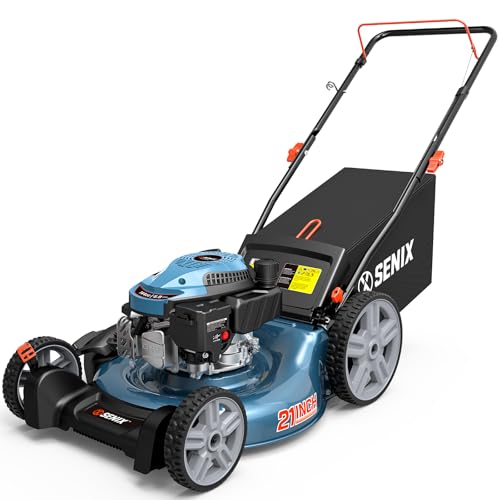
Gas Self-Propelled Lawn Mowers: The Complete Buying Guide
Let gardening be effortless on every slope and stretch of turf. Learn how gas self-propelled mowers work, which features matter most, and how to choose the right model for your lawn size and terrain.
COMPARE TOP PICKSQuick Summary: A gas self-propelled lawn mower combines the cutting power of a gasoline engine with a drive system that moves the mower forward, so you guide rather than push. For medium to large lawns, sloped yards, or anyone who wants to reduce physical strain, a self-propelled gas mower is one of the most practical investments in lawn care equipment. This guide explains the drive systems, engine options, and maintenance considerations that help you buy with confidence.
What Is a Gas Self-Propelled Lawn Mower?
A gas self-propelled lawn mower is a walk-behind mower powered by a gasoline engine that also drives its own wheels. Instead of pushing the machine across the lawn, you simply steer it while the transmission turns the wheels at a set or variable speed. This design is especially valuable on larger properties, uneven ground, and gentle slopes where pushing becomes exhausting.
The category includes both self-propelled push mowers and more feature-rich walk-behind models. Compared to a basic grass mower that must be pushed manually, a self-propelled unit reduces fatigue and helps maintain a more consistent walking pace, which translates into a more even cut. If you are still deciding between drive systems and power sources, our overview of lawn mower types is a helpful companion to this guide.
How Self-Propelled Drive Systems Work
Understanding the drive system is the single most important factor in choosing a self-propelled mower. Each configuration suits different lawns and users.
| Drive Type | Best For | Key Characteristic |
|---|---|---|
| Front-Wheel Drive (FWD) | Flat lawns and gentle terrain | Light and maneuverable; easy to pivot around obstacles |
| Rear-Wheel Drive (RWD) | Slopes, hills, and thicker grass | Drive wheels pull the mower uphill for stronger traction and control |
| All-Wheel Drive (AWD) | Rough, uneven, or steep ground | Maximum traction across all four wheels at the cost of extra weight |
| Variable Speed | Mixed terrain and user preference | Lets you match the mowing pace to conditions and comfort |
Rear-wheel-drive and all-wheel-drive configurations are the top-tier choices for challenging terrain, while front-wheel-drive models are generally the most budget-friendly and nimble for flat yards. Variable-speed transmissions are a mid-range upgrade that many homeowners find worthwhile because they let you slow down in tight corners and speed up on long straight runs.
Engine Options and Key Features to Consider
Gas engines for walk-behind mowers typically range from small displacement units suited to light trimming to larger engines that handle thick grass without bogging down. Rather than fixating on specific numbers, focus on how the engine matches your lawn conditions.
Engine Displacement & Torque
Entry-level engines suit small, level lawns. Mid-range and premium engines deliver more torque for tall grass, damp conditions, and mulching heavy clippings.
Electric Start
Push-button starting eliminates the pull cord and is especially helpful for older users or anyone who struggles with recoil starting. A gas-powered self-propelled mower with electric start is a popular modern choice.
Cutting Deck Width
Narrower decks fit through gates and around beds; wider decks reduce mowing time on open lawns. Match the deck to your yard layout.
Mulch, Bag, or Side Discharge
Three-in-one decks offer flexibility. Mulching returns nutrients to the soil, bagging keeps the lawn tidy, and side discharge handles overgrown areas.
Cut Height Adjustment
Single-lever height adjustment is more convenient than individual wheel adjustments and encourages proper mowing height for lawn health.
Wheel Size
Larger wheels roll more easily over uneven ground and reduce scalping on bumpy lawns, while smaller wheels improve maneuverability in tight spaces.
Quality Tiers: Matching a Mower to Your Needs
Self-propelled gas mowers fall into recognizable tiers. Understanding what each tier offers helps you avoid overbuying or underbuying.
- Entry-level: Typically front-wheel drive with a smaller engine, manual or recoil start, and basic cut height adjustment. Well suited to small, flat lawns and occasional use.
- Mid-range: Often features rear-wheel drive, electric start, variable speed, and a more robust deck. A strong all-around choice for most suburban lawns and mixed terrain.
- Premium: Larger engines, all-wheel drive or advanced transmissions, reinforced decks, and premium wheels. Built for large properties and demanding, year-round use.
- Professional / commercial-grade: Heavy-duty frames and engines designed for continuous operation. Best for landscapers or very large estates rather than typical homeowners.
As a rule, a mid-range model usually offers a noticeably smoother drive mechanism and more durable components than an entry-level unit, while premium models add traction and longevity for challenging lawns. Choosing the tier that matches your terrain and mowing frequency is more important than chasing the highest specification.
How to Choose the Right Self-Propelled Mower
Before comparing individual models, evaluate your lawn and your own preferences. This checklist keeps the decision grounded in practical needs.
- Lawn size: Smaller yards can be handled by an entry-level unit, while larger lawns benefit from wider decks and faster ground speed.
- Terrain: Slopes and hills call for rear-wheel or all-wheel drive with strong traction.
- Obstacles: Many trees, beds, and narrow gates favor a maneuverable front-wheel-drive or compact deck.
- Starting preference: Electric start is a worthwhile convenience for many users; recoil start is simpler and lighter.
- Storage space: Consider foldable handles and overall footprint if garage space is limited.
- Maintenance willingness: Gas mowers require oil changes, spark plug replacement, and blade care. If that is unappealing, compare against other power options.
If you are also upgrading other lawn equipment, our guides to lawn blowers and hedge trimmers can help you build a coordinated tool set. For homeowners who prefer to delegate routine work, understanding local lawn care maintenance services is a useful complement to buying equipment.
Maintenance Tips for Long-Term Reliability
A gas self-propelled mower will last for many seasons with routine care. The drive system and engine both benefit from a simple maintenance schedule.
- Change the engine oil at the start of each mowing season and check the level before use.
- Replace the spark plug annually or as recommended for reliable starting.
- Sharpen or replace the blade regularly to keep cuts clean and reduce engine strain.
- Clean or replace the air filter, especially in dusty conditions.
- Inspect the drive belt and wheels for wear, and lubricate moving parts as specified.
- Use fresh fuel and stabilize or drain the tank before long storage periods.
When a mower needs professional attention, local lawn mower repair services can handle drive and engine issues. Regular maintenance is also cheaper than replacement and keeps your investment productive year after year.
Safe Operation on Slopes and Around the Yard
Self-propelled mowers are powerful machines. Follow the manufacturer's guidance on slope limits, keep bystanders and pets clear of the mowing area, and never remove safety guards. Mow across slopes rather than straight up and down when recommended, and wear appropriate footwear and eye protection. Clearing debris before mowing protects both the blade and anyone nearby.
Related Lawn Care Guides
Frequently Asked Questions
What is a gas self-propelled lawn mower?
A gas self-propelled lawn mower is a walk-behind mower powered by a gasoline engine that drives its own wheels, so you only need to guide it rather than push it. This reduces fatigue on large or sloped lawns and delivers consistent cutting power.
Are self-propelled mowers better for slopes?
Yes. Self-propelled models with rear-wheel drive and variable speed are generally the best choice for sloped terrain because the drive wheels pull the mower uphill and give you more control on inclines.
What does electric start mean on a gas mower?
Electric start means the engine is started with a push button or key rather than a pull cord. It typically uses a small onboard battery that recharges while the engine runs, making starting much easier.
How often should a gas lawn mower be maintained?
Change the oil and replace the spark plug at least once per season, check and sharpen the blade regularly, and clean or replace the air filter as recommended. Proper maintenance keeps the engine reliable and the cut clean.
Ready to Choose Your Self-Propelled Mower?
Compare top-rated gas self-propelled mowers selected for traction, ease of use, and long-term reliability. Find the model that fits your lawn, your terrain, and your mowing routine.
VIEW RECOMMENDED MOWERS