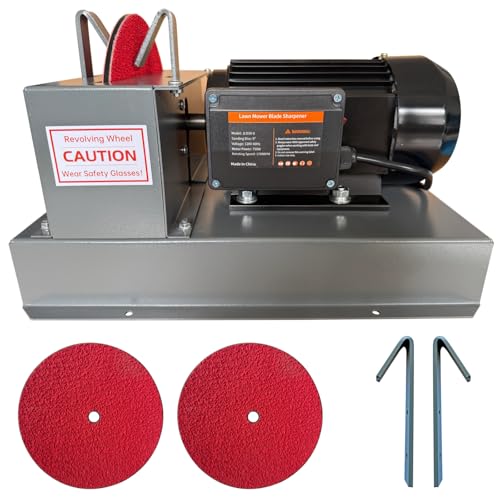
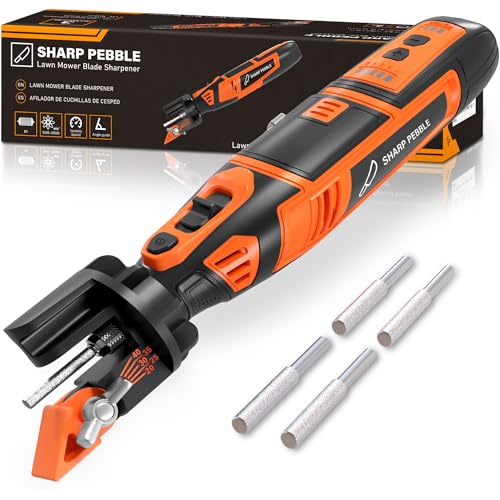
Lawn Mower Blade Sharpening Machine: Restore a Clean, Healthy Cut
A dull mower blade tears grass instead of slicing it, leaving a ragged, brown-tipped lawn that invites disease. A dedicated sharpening machine brings back the factory edge safely and consistently — this guide explains how to choose the right one for your workshop.
Compare Sharpening MachinesWhy this matters: If you already own or plan to buy a lawn mower, blade maintenance is the single most overlooked factor in lawn health. A sharpened blade cuts cleanly, reduces stress on the grass, and lets your mower run more efficiently. A dedicated sharpening machine removes the guesswork and the safety risk of freehand grinding.
What Is a Lawn Mower Blade Sharpening Machine?
A lawn mower blade sharpening machine is a benchtop or freestanding device that holds a mower blade at a fixed angle while an abrasive wheel or grinding belt restores the cutting edge. Unlike a general-purpose grinder, these machines include a guided rest, jig, or adjustable fence that keeps the bevel consistent across the full length of the blade — a critical factor for balance and cut quality.
For homeowners who service several blades per season, a dedicated sharpener pays for itself quickly by replacing trips to a repair shop. If you would rather not remove the blade yourself, a local lawn mower repair service can handle sharpening as part of routine maintenance.
How the Sharpening Process Works
- Safety first: Disconnect the spark plug (or remove the battery key on electric models) so the mower cannot start.
- Remove the blade: Use a block of wood to jam the blade and loosen the center bolt with the correct wrench. Note the orientation before removing it.
- Clean the blade: Remove grass buildup and inspect for cracks, bends, or excessive wear. A badly damaged blade should be replaced, not sharpened.
- Mount and sharpen: Clamp the blade in the machine's jig or rest, set the correct bevel angle, and pass the grinding wheel or belt evenly along the cutting edge.
- Balance the blade: After sharpening, check balance with a blade balancer or a simple nail-and-cone method. An unbalanced blade causes vibration and bearing wear.
- Reinstall: Torque the center bolt to the manufacturer's specification and reconnect the spark plug.
If you are not comfortable with the mechanical steps, a pickup and delivery repair service can sharpen and rebalance your blade without you leaving home.
Key Features to Compare Before Buying
Grinding Medium
Abrasive wheels (aluminum oxide or silicon carbide) are the most common. Belt-driven sharpeners run cooler and are gentler on hardened steel, reducing the risk of overheating the blade edge.
Adjustable Angle Guide
The best machines let you set the bevel angle to match your blade's factory spec — typically 30° to 40°. A fixed, non-adjustable rest limits you to one blade style.
Blade Jig or Clamp
A sturdy clamp holds the blade firmly and keeps the edge square to the wheel. Flimsy clamps cause uneven grinding and uneven blade balance.
Motor Power and Speed
Entry-level machines use lower-power motors for light homeowner use. Mid-range and premium machines add more torque and variable speed for faster, cooler grinding.
Blade Capacity
Check the maximum blade length the machine supports. Standard walk-behind mower blades are shorter than riding mower blades, so match capacity to your equipment.
Dust and Spark Control
Grinding creates sparks and metal dust. A machine with a guard, spark deflector, or dust port keeps your workshop safer and cleaner.
Entry-Level vs Mid-Range vs Premium: What You Get
Sharpening machines fall into three broad quality tiers. Use this comparison to decide where your needs sit — no prices are shown because the right tier depends on how often you sharpen.
| Feature | Entry-Level / Budget-Friendly | Mid-Range / Mid-Tier | Premium / Top-Tier |
|---|---|---|---|
| Grinding medium | Single abrasive wheel | Wheel with adjustable rest | Belt-driven or wet-grind system |
| Angle control | Fixed or simple guide | Adjustable bevel guide | Precision angle jig with fine adjustment |
| Motor | Compact, occasional-use | Stronger motor, faster grinding | High-torque, variable speed, cooler operation |
| Blade balance aid | Usually sold separately | Often included | Included with full balancing kit |
| Best for | One or two blades per season | Regular DIY maintenance | Frequent use, multiple mowers, near-shop quality |
Safety Rules for Sharpening Mower Blades
- Always disconnect the spark plug or battery before touching the blade.
- Wear safety glasses, hearing protection, and cut-resistant gloves.
- Work in a well-ventilated area away from flammable materials — grinding produces sparks.
- Never sharpen a cracked, bent, or heavily worn blade; replace it instead.
- Rebalance the blade after sharpening and torque the bolt to spec before mowing.
If any step feels unsafe, stop and let a professional handle it. A local repair service can sharpen, balance, and reinstall the blade correctly.
Who Should Buy a Sharpening Machine?
A dedicated machine makes sense if you:
- Mow a medium to large lawn and sharpen blades several times per season.
- Own more than one mower or maintain equipment for neighbors and family.
- Want to reduce long-term maintenance costs and avoid trips to a shop.
- Prefer a consistent, guided edge rather than freehand grinding.
If you only sharpen once a year and are not comfortable removing the blade, a professional service or a lawn care maintenance provider may be the simpler option. Pairing sharp blades with good mowing practices — covered in our lawn mower types guide — keeps your lawn healthier season after season.
Frequently Asked Questions
How often should I sharpen my lawn mower blade?
For most residential lawns, sharpen the blade every 20 to 25 hours of mowing, or roughly once per season. If you mow frequently during peak growth or hit debris, check the blade more often.
Can a sharpening machine damage my mower blade?
A properly used machine removes minimal material and preserves the blade's balance. Damage usually comes from grinding too aggressively, overheating the steel, or failing to rebalance the blade afterward.
Do I need to remove the blade before sharpening?
Yes. Always disconnect the spark plug or battery, then remove the blade following your mower manual. Bench-mounted and guided machines are designed to sharpen the blade off the mower for safety and accuracy.
What is the difference between a bench grinder and a dedicated blade sharpener?
A bench grinder is a general-purpose tool that can sharpen blades but requires skill to maintain the correct angle. A dedicated blade sharpening machine uses a guided rest or jig to hold the proper angle consistently, making it easier for beginners.