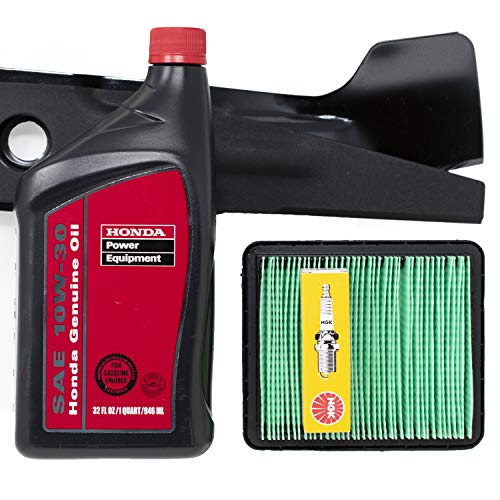
Common Lawn Mower Problems and How to Diagnose Them
Before you search for a lawn mower repair service near me, it helps to understand what's actually wrong with your machine. Most mower issues fall into a handful of categories. The table below outlines the most common symptoms, their likely causes, and whether they're DIY-friendly or better left to a professional.
🔑 Mower Won't Start
Likely causes: Dead battery, fouled spark plug, stale fuel, clogged fuel filter, or safety switch engagement. Check the spark plug first — it's the most common culprit. If the engine turns over but doesn't catch, fuel delivery is usually the issue.
💨 Engine Sputters or Stalls
Likely causes: Dirty carburetor, clogged air filter, old fuel, or a failing fuel pump. A carburetor cleaning is often a mid-range DIY task; if the carburetor is badly gummed up, a professional rebuild may be needed.
✂️ Uneven Cut or Poor Mulching
Likely causes: Dull or bent blade, incorrect deck height, clogged discharge chute, or worn belts on self-propelled models. Blade sharpening is a budget-friendly DIY fix; belt replacement on self-propelled mowers is moderate.
💨 Excessive Smoke
Likely causes: Overfilled oil, tipped mower, blown head gasket, or worn piston rings. White smoke usually means oil in the combustion chamber; black smoke points to a rich fuel mixture. Head gasket repair is a professional job.
🔊 Unusual Noise or Vibration
Likely causes: Loose blade bolt, worn bearings, damaged spindle, or debris stuck in the deck. Stop using the mower immediately — a loose blade is a serious safety hazard. Tighten the blade bolt or have a pro inspect the spindle.
🚗 Self-Propelled Not Moving
Likely causes: Stretched drive belt, worn transmission, or a broken wheel gear. Belt replacement is a mid-range DIY task; transmission issues are best handled by a repair service specializing in your mower brand.
DIY Repair vs. Professional Service: Which Is Right for You?
Not every mower problem requires a trip to the repair shop. Understanding the complexity of each task helps you decide whether to grab your toolbox or call a professional. Here's a practical breakdown based on repair complexity tiers.
| Repair Task | Complexity Tier | Best Option |
|---|---|---|
| Spark plug replacement | Entry-level | DIY — basic socket wrench and 10 minutes |
| Air filter cleaning/replacement | Entry-level | DIY — no special tools needed |
| Blade sharpening or replacement | Entry-level to mid-tier | DIY with a blade sharpening machine, or pro service for convenience |
| Oil change and tune-up | Entry-level | DIY — follow your manual's specs |
| Carburetor cleaning | Mid-range | DIY if experienced; pro recommended for first-timers |
| Drive belt replacement | Mid-range | Pro recommended for self-propelled models |
| Transmission repair | Premium / high-end | Professional service only |
| Engine rebuild or head gasket | Premium / high-end | Professional service only |
The general rule: if a repair requires opening the engine crankcase, disassembling the transmission, or diagnosing electrical systems with a multimeter, it's time to find a lawn mower repair service near me. Attempting complex repairs without experience can turn a mid-range fix into a premium-tier replacement.
DIY Repairs: Tools You'll Need
- Socket wrench set (for spark plugs and blade bolts)
- Spark plug gap gauge
- Air compressor or brush (for filter cleaning)
- Oil drain pan and funnel
- Blade sharpening file or lawn mower blade sharpening machine
- Work gloves and safety glasses
If you're comfortable with these tools and have a clear owner's manual, basic maintenance and minor repairs are well within reach. For everything else, professional service pays for itself in reliability and safety.
How to Find a Reliable Lawn Mower Repair Service Near You
Finding a trustworthy repair shop is easier when you know what to look for. Whether you're dealing with a stubborn gas self-propelled push mower or a complex zero-turn unit, the right service center makes all the difference.
1. Search Authorized Dealers First
If your mower is still under warranty, an authorized dealer is your best bet — unauthorized repairs can void coverage. Major brands list their service centers online. Search for "[your brand] authorized service center near me" to find certified technicians who know your machine inside and out.
2. Check Reviews and Ask Locally
Online reviews on Google, Yelp, and local community forums reveal patterns. Look for consistent praise about turnaround time, communication, and fair pricing practices. Neighbors and local gardening groups are also excellent sources — a recommendation from someone who's used a shop for years carries real weight.
3. Verify Certifications and Experience
Look for technicians certified by organizations like the Equipment & Engine Training Council (EETC). Experienced shops often specialize in specific brands or engine types (Briggs & Stratton, Honda, Kohler, Toro, etc.). If your mower has unique features, confirm the shop has worked on that model before.
4. Ask About Pickup and Delivery
Transporting a mower can be a hassle, especially for heavy riding mowers or zero-turn units. Many services offer lawn mower repair pickup and delivery near me, which saves time and back strain. Confirm the fee structure upfront.
5. Get an Estimate Before Committing
Reputable shops provide a diagnostic estimate before starting work. Ask about diagnostic fees, typical turnaround times, and whether the estimate includes parts and labor. Be wary of shops that refuse to give any estimate at all.
Preventive Maintenance Checklist to Avoid Costly Repairs
Regular maintenance is the single most effective way to avoid emergency repair calls. Follow this seasonal checklist to keep your mower running smoothly for years.
Before Each Mowing Season
- Change the engine oil (check your manual for the correct type and interval)
- Replace the spark plug
- Clean or replace the air filter
- Sharpen or replace the blade
- Check and tighten all bolts and fasteners
- Inspect the drive belt for cracks or wear (self-propelled models)
- Clean the underside of the deck to prevent rust and clogging
- Check tire pressure (riding mowers)
- Test the safety switches and brake
After Each Use
- Let the engine cool, then remove grass clippings from the deck and discharge chute
- Check the oil level
- Inspect the blade for damage
- Store in a dry, covered area
Before Winter Storage
- Drain or stabilize the fuel (stale fuel is the #1 cause of spring startup problems)
- Change the oil
- Remove the battery and store it indoors on a trickle charger (riding mowers)
- Clean the entire machine thoroughly
- Sharpen the blade so it's ready for spring
If you'd rather not handle these tasks yourself, many repair services offer seasonal tune-up packages. These are typically budget-friendly and include all the essentials above. Pairing a professional tune-up with your own basic checks keeps your mower in top shape without breaking the bank.
While you're maintaining your equipment, don't forget your other garden tools. Proper care for your garden hoses, hose nozzles, and hose reels extends their lifespan too — and if you're upgrading your watering setup, consider a garden sprinkler for even coverage.
When Is It Time to Replace Rather Than Repair?
Sometimes repair isn't the wisest investment. Here are the signs that replacement may be the better path:
- Repair cost approaches half the cost of a new equivalent model. If you're facing a major engine or transmission repair on an older machine, compare the estimate against a comparable new model in the same tier.
- The frame is rusted through or cracked. Structural damage is rarely worth repairing and can be a safety hazard.
- Parts are no longer available. Older models sometimes reach end-of-life for parts support, making repairs impractical.
- Frequent breakdowns. If you're visiting the repair shop multiple times per season, reliability has eroded — a newer model will likely save you time and frustration.
- Your needs have changed. A small push mower may no longer suit a larger yard; upgrading to a gas self-propelled mower or electric-start model makes sense when your lawn demands it.
When you do decide to replace, check out our lawn mower types guide to choose the right machine for your yard size and terrain. And if you're also considering professional lawn care to complement your equipment, services like lawn care maintenance near me can handle the heavy lifting while you focus on equipment upkeep.
Frequently Asked Questions About Mower Repair
Repair costs depend on the type of service. Basic tune-ups and minor fixes fall into budget-friendly tiers, while major engine or transmission repairs are mid-range to premium. Professional servicing costs more than DIY but ensures expert results and safety. Always request a diagnostic estimate before authorizing work.
Start with authorized dealers for your mower brand, especially if it's under warranty. Check online reviews, ask for local recommendations, and verify technician certifications. Many services offer pickup and delivery, which adds convenience. Always get an estimate before work begins.
Yes, for basic maintenance like changing spark plugs, air filters, oil, and sharpening blades. These are entry-level tasks that require only common tools. Complex engine, transmission, or electrical issues are best handled by professionals to avoid damage and ensure safety.
Most manufacturers recommend servicing your mower at least once per season, ideally before the mowing season starts. Regular maintenance — including oil changes, filter cleaning, and blade sharpening — extends lifespan and prevents costly breakdowns.
Stale fuel is the most common cause. Gas degrades over a few months and clogs carburetor jets. Drain old fuel, add fresh gas, and try starting again. If it still won't start, check the spark plug and air filter. For persistent issues, a professional carburetor cleaning may be needed.
It depends on the repair and the mower's overall condition. If the repair cost is well below the cost of a comparable new model and the machine is otherwise sound, repair is usually worthwhile. If the frame is rusted, parts are unavailable, or repairs approach half the cost of new, replacement may be the smarter choice.