Grass Mower Guide: Find, Use & Maintain the Perfect Mower
Whether you are a first-time homeowner or a seasoned lawn enthusiast, choosing the right grass mower and mastering its use is key to a healthy, beautiful lawn. This comprehensive guide covers everything from mower types and selection criteria to maintenance routines and mowing techniques.
Explore Mower TypesA well-maintained lawn begins with the right equipment. The grass mower is the cornerstone of any lawn care toolkit, but with dozens of models, sizes, and power sources available, the selection process can feel overwhelming. This guide is designed to cut through the noise — giving you clear, practical information so you can choose with confidence and keep your mower running smoothly for years to come.
From compact reel mowers ideal for small suburban yards to powerful self-propelled models built for expansive properties, each type serves a distinct purpose. Understanding the strengths and limitations of each will help you match the machine to your lawn size, terrain, and personal preferences.
For homeowners who also maintain flower beds and driveways, having the right mower is just one part of the equation. You may also benefit from learning the best way to kill grass and weeds in flower beds and the best way to kill weeds in a gravel driveway to keep your entire landscape looking pristine.
Quick Tip: No matter which mower you choose, always follow the one-third rule — never remove more than one-third of the grass blade height in a single mowing session. This simple practice promotes deeper roots, reduces stress on the lawn, and keeps your grass looking its best.
Types of Grass Mowers: Which One Is Right for You?
Grass mowers fall into several broad categories, each with distinct advantages. The best choice depends on your lawn size, terrain, physical ability, and how much time you want to spend on maintenance.
1. Reel Mowers (Manual Push Mowers)
Reel mowers use a cylindrical blade assembly that cuts grass like a pair of scissors — cleanly and precisely. They are lightweight, quiet, and require no fuel or electricity. Reel mowers are ideal for small, flat lawns and are a favorite among eco-conscious homeowners. However, they demand more physical effort and are less effective on tall or wet grass.
2. Rotary Mowers (Push and Self-Propelled)
Rotary mowers use a single horizontal blade that spins at high speed to slice through grass. They are the most common type and come in two main flavors: push models (which require you to walk behind and push) and self-propelled models (which drive themselves forward). Self-propelled mowers are excellent for medium-to-large lawns and sloped terrain, reducing fatigue significantly. If you have a larger property, you may want to explore gas self-propelled lawn mowers or cordless self-propelled models with battery and charger for added convenience.
3. Riding Mowers and Zero-Turn Mowers
For expansive lawns — typically one acre or more — a riding mower or zero-turn mower is a game-changer. These machines dramatically reduce mowing time and physical exertion. Zero-turn mowers, in particular, offer exceptional maneuverability around obstacles and are favored by homeowners with complex landscapes. For detailed reviews, see cordless electric self-propelled lawn mower reviews.
4. Cordless Electric Mowers
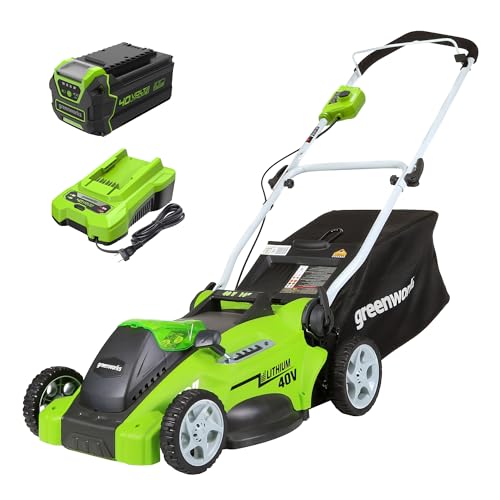
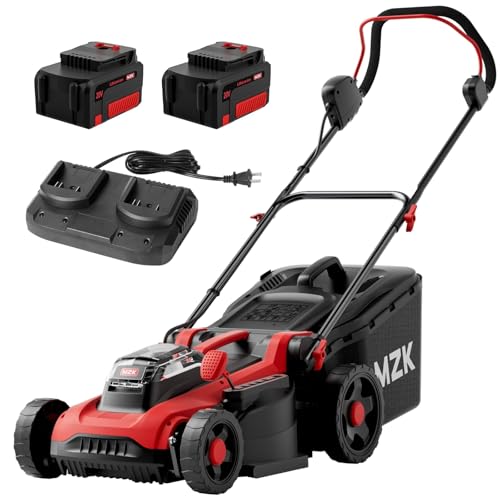
Battery-powered mowers have surged in popularity thanks to advances in lithium-ion technology. They are quieter, produce zero emissions, and require less maintenance than gas models. Modern cordless mowers can handle medium-sized lawns on a single charge and are an excellent choice for residential areas. Compare them with gas options in our cordless vs gas guide.
If you are still exploring the broader world of garden equipment, our gardening tools hub is a great starting point.
Mower Type Comparison at a Glance
| Mower Type | Best For | Effort Level | Tier Positioning |
|---|---|---|---|
| Reel Mower | Small, flat lawns; eco-conscious users | High (manual push) | Entry-level to mid-range |
| Push Rotary Mower | Small to medium lawns | Moderate | Budget-friendly to mid-tier |
| Self-Propelled Mower | Medium to large lawns; slopes | Low to moderate | Mid-range to premium |
| Cordless Electric Mower | Small to medium residential lawns | Low | Mid-range to high-end |
| Riding / Zero-Turn Mower | Large properties (1+ acre) | Very low | Premium to luxury |
Key Features to Consider Before Buying a Grass Mower
Beyond the basic type, several features can make or break your mowing experience. Here is what to look for:
- Cutting Width: A wider deck means fewer passes and faster mowing. Standard push mowers range from 18 to 22 inches, while riding mowers can exceed 50 inches.
- Power Source: Gas, corded electric, or battery. Cordless electric models offer the best balance of convenience and low maintenance for most homeowners.
- Adjustable Cutting Height: A single-lever height adjustment system makes it easy to adapt to seasonal grass growth.
- Mulching and Bagging Options: Mulching returns nutrients to the soil, while bagging keeps clippings out of sight. Many mowers offer both.
- Self-Propulsion: Rear-wheel drive generally provides better traction on slopes; front-wheel drive is more maneuverable on flat terrain.
- Storage Footprint: If space is tight, consider a foldable handle or a compact reel mower. Vertical storage options are increasingly common.
For those working with limited storage or a tighter budget, our budget tools section and brand comparisons can help narrow down reliable options without compromising on quality.
Grass Mower Maintenance: Keep Your Machine Running Smoothly
A well-maintained mower cuts cleaner, lasts longer, and is safer to operate. Here is a simple maintenance routine that every owner should follow:
- Sharpen the Blade Regularly: A dull blade tears grass rather than cutting it, leaving jagged edges that invite disease. Sharpen or replace the blade at least once per season — more often if you mow frequently.
- Clean the Underside: After each mowing session, disconnect the spark plug (for gas models) and scrape away grass clippings and debris from the deck. A buildup of clippings reduces cutting efficiency and promotes rust.
- Check Oil and Air Filters: For gas mowers, check the oil level before each use and change it according to the manufacturer's schedule. Clean or replace the air filter to ensure optimal engine performance.
- Inspect Belts and Cables: Self-propelled mowers rely on drive belts and cables. Check for wear and adjust tension as needed.
- Battery Care: For cordless models, store batteries in a cool, dry place and avoid leaving them fully discharged for extended periods. Follow the manufacturer's charging guidelines.
- Winter Storage: Before storing your mower for the off-season, run the engine until the fuel tank is empty (for gas models), clean the machine thoroughly, and store it in a dry location.
Proper maintenance not only extends the life of your mower but also contributes to overall lawn health. For more lawn care insights, explore our dethatching guide, crabgrass control strategies, and dandelion control tips.
Mowing Techniques for a Healthier Lawn
How you mow matters as much as what you mow with. Follow these best practices to promote a lush, resilient lawn:
- Mow at the Right Height: Set your cutting height to remove no more than one-third of the grass blade. Taller grass shades the soil, conserves moisture, and crowds out weeds.
- Change Mowing Patterns: Alternating direction each time you mow prevents ruts and encourages upright grass growth.
- Mow When Dry: Wet grass clumps and clogs the mower deck. Wait for a dry day for the cleanest cut.
- Keep Blades Sharp: As mentioned, sharp blades are essential. A clean cut heals faster and looks better.
- Mulch When Possible: Returning grass clippings to the lawn adds nitrogen and organic matter, reducing the need for fertilizer.
For comprehensive seasonal lawn care, including weed management and soil health, visit our lawn care section. If you are dealing with persistent lawn invaders, you might also find our guide on how to get rid of thistles in lawn and home remedies to get rid of weeds in the yard helpful.
Frequently Asked Questions About Grass Mowers
How often should I mow my lawn?
The general rule is to never cut more than one-third of the grass blade height at a time. During peak growing season, this may mean mowing once a week. In slower growth periods, every 10–14 days is sufficient. Adjust based on your grass type and weather conditions.
What is the best grass mower for a small yard?
For small yards, a reel mower or a compact cordless push mower is ideal. These are lightweight, easy to store, and offer excellent maneuverability around tight corners and garden beds. They also require minimal maintenance.
How do I maintain my grass mower for longevity?
Regular maintenance includes sharpening or replacing blades, cleaning the underside after each use, checking oil levels, replacing air filters, and storing the mower properly during the off-season. Always disconnect the spark plug before performing any maintenance.
Should I choose a gas or electric mower?
Electric mowers (cordless) are quieter, produce zero emissions, and require less maintenance. They are ideal for small to medium residential lawns. Gas mowers offer more power and longer run times, making them better suited to large properties or thick, challenging grass. Consider your lawn size, terrain, and tolerance for maintenance before deciding.
How do I know when to replace my mower blade?
If you notice ragged, torn grass tips, the mower is not cutting cleanly, or the blade is visibly nicked or bent, it is time to sharpen or replace it. Most manufacturers recommend sharpening at least once per season.
Related Lawn Care Guides
Looking to expand your lawn care knowledge? Our library of guides covers every aspect of maintaining a beautiful outdoor space:
- Lawn Care: Complete Guide to a Healthy Lawn
- Cordless vs Gas: Choosing the Right Power for Your Tools
- Best Way to Get Rid of Thistles in Lawn
- Crabgrass Control: Prevention and Treatment
- Dandelion Control: Effective Strategies
- Dethatching: Why and How to Do It
- Essential Gardening Tools for Every Homeowner
- Garden Sprinklers: Choosing and Using Them