Sprinkler System Installation Cost: A Complete Planning Guide
Understand what shapes sprinkler system installation cost, compare system types and quality tiers, and plan a smart irrigation project that protects your lawn and your long-term investment.
VIEW RECOMMENDED IRRIGATION GEARQuick overview: Sprinkler system installation cost is not a single fixed number — it is the result of several interacting variables, including lawn size, system type, soil conditions, water pressure, zoning, and the quality tier of components you choose. This guide breaks down each factor so you can research with confidence and make a well-informed decision before requesting professional quotes or purchasing equipment.
Why Sprinkler System Installation Cost Varies So Much
Homeowners researching irrigation often find wildly different figures quoted for what seems like the same job. The reason is that sprinkler system installation cost reflects a project, not a product. Two lawns of identical square footage can require very different labor, materials, and equipment depending on how the property is laid out.
Understanding the variables behind the estimate helps you compare quotes fairly and avoid unpleasant surprises. The main drivers include:
- Lawn size and shape. A simple rectangular lawn is faster and less material-intensive to irrigate than an irregular yard with narrow strips, curved beds, and multiple planting zones.
- System type. A conventional pop-up lawn sprinkler system uses different components and labor than a drip irrigation setup for beds and gardens. If you are comparing options, explore the broader sprinkler systems guide to understand how each design works.
- Soil and terrain. Rocky or compacted soil slows trenching and can require special equipment. Sloped yards may need pressure regulation or additional zoning.
- Water source and pressure. Available water pressure, meter size, and the distance from the water source all affect design decisions and equipment needs.
- Number of zones. More zones mean more valves, piping, and wiring. Zoning is essential for even coverage across lawns with different sun exposure or soil types.
- Hardscape and obstacles. Driveways, walkways, mature trees, and existing utilities increase the complexity of routing and trenching.
- Component quality tier. Entry-level, mid-range, and premium components differ in durability, efficiency, and smart features — and that is reflected in the overall installation cost.
Because of these variables, a professional on-site assessment is always the most reliable way to get an accurate estimate for your specific property.
Conventional Sprinkler Systems vs. Drip Irrigation
One of the first decisions that shapes sprinkler system installation cost is whether you need a full lawn sprinkler system, a drip irrigation system, or a hybrid approach. Each serves a different purpose, and the right choice depends on what you are irrigating.
Conventional Pop-Up Lawn Sprinkler Systems
These systems use buried piping, pop-up heads, and automatic valves to distribute water across turf areas. They are the standard choice for open lawns and larger grass areas. Installation involves trenching, connecting to the water supply, zoning, and installing a controller and backflow prevention. Because of the scope of work, this is typically the higher-investment option, but it delivers even coverage and can be fully automated.
If you want to understand the installation process in more detail, our sprinkler installation overview walks through the main phases of a professional project.
Drip Irrigation Systems
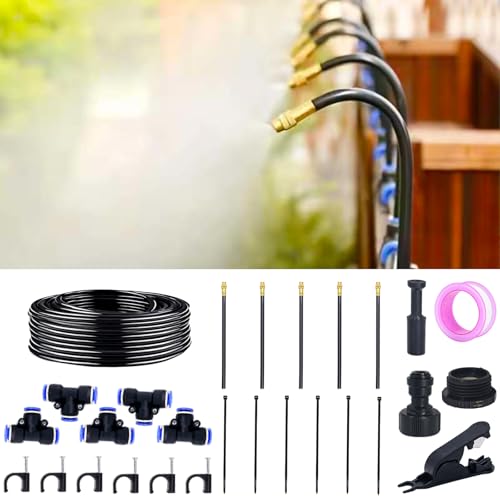
Drip irrigation delivers water slowly and directly to plant roots through tubing and emitters. It is highly efficient, reduces water waste, and is often the more affordable option for garden beds, vegetable plots, and container plants. Installation can be less invasive than a full lawn system, especially when the tubing is laid on the surface and covered with mulch. For many residential projects, a combination of drip zones for beds and conventional zones for lawn offers the best balance of efficiency and performance.
Quality Tiers: How Component Grades Affect Installation Cost
Sprinkler system installation cost is also shaped by the quality tier of the components you select. Rather than focusing on specific figures, it helps to understand how tiers differ in durability, efficiency, and long-term value. The tiers below use a consistent classification you can apply when comparing quotes and products.
Entry-Level
Basic controllers, standard spray heads, and economy-grade piping. Entry-level systems cover the essentials and suit small, simple lawns or budget-conscious projects where long-term automation features are not a priority.
Mid-Range
More durable heads, improved valves, and programmable controllers with multiple start times. Mid-range systems typically offer better water efficiency, smoother mechanisms, and more reliable performance than entry-level components.
Premium
Smart controllers with weather-based scheduling, high-efficiency rotary nozzles, and premium-grade valves and piping. Premium-tier systems are designed for long-term reliability, precise water management, and lower maintenance over time.
When comparing quotes, ask which tier the contractor is proposing for each component group — controller, valves, heads, and piping. A mid-range controller paired with premium heads can be a smart compromise, and understanding the tiers helps you avoid paying for features you do not need or cutting corners where durability matters most.
Labor, Trenching, and Other Installation Factors
Labor is often the single largest component of sprinkler system installation cost. The amount of labor depends on the size of the project, the soil, the terrain, and the accessibility of the property. Key considerations include:
- Trenching method. Machine trenching is faster and more common for lawn systems, while hand trenching may be necessary near utilities, tree roots, or delicate landscaping. Hand trenching is more labor-intensive and increases installation cost.
- Utility locating. Professional installers arrange utility marking before digging. This step protects you and the crew and is a standard part of a safe, compliant installation.
- Backflow prevention. Many jurisdictions require a backflow prevention device to protect the drinking water supply. This is typically handled by a licensed professional and is an important cost factor to confirm in your quote.
- Permits and inspections. Local requirements vary. Some municipalities require a permit or inspection for irrigation connections, which adds a step to the project timeline.
- Water source connection. The distance from the water meter or supply line to the system start point, and the pressure available at that point, influence design and equipment needs.
Because these factors are site-specific, the most practical way to estimate your project is to request a professional evaluation. If you prefer to explore local service options, you can research underground sprinkler system installation near you to find qualified contractors in your area.
Comparing System Types at a Glance
| System Type | Best For | Relative Installation Cost | Key Considerations |
|---|---|---|---|
| Drip irrigation | Garden beds, vegetable plots, containers, shrubs | Lower to moderate | Highly water-efficient; minimal trenching; ideal for targeted watering |
| Conventional pop-up system | Open lawns and turf areas | Moderate to higher | Even coverage; requires trenching, zoning, and a controller |
| Hybrid system | Lawns with mixed planting beds | Moderate to higher | Combines drip zones and lawn zones for efficient, flexible irrigation |
| Smart-controlled system | Homeowners seeking automation and efficiency | Higher (premium tier) | Weather-based scheduling; lower long-term water waste; premium components |
This comparison is intentionally focused on relative positioning rather than fixed figures. Your actual project estimate will depend on the specific design, site conditions, and component tiers chosen for your property.
How to Plan a Smart Irrigation Project
A well-planned project protects both your lawn and your investment. Before requesting quotes, consider these practical steps:
- Map your landscape. Note lawn areas, beds, trees, hardscape, and any areas with drainage issues. This helps contractors design accurate zones and gives you a clearer picture of scope.
- Decide what you are irrigating. Lawn, garden beds, or both? This determines whether drip, conventional, or a hybrid system is the best fit.
- Check your water pressure and supply. A professional can measure pressure and flow to determine whether your supply can support the desired system.
- Request multiple quotes. Ask each contractor to specify component tiers, zoning, and what is included in the estimate, such as permits, backflow prevention, and cleanup.
- Plan for maintenance. All systems need seasonal checks, winterization in cold climates, and occasional head or valve replacement. Choosing mid-range or premium components often reduces long-term maintenance.
For homeowners who want to explore the equipment side in more detail, reviewing a dedicated sprinkler systems resource is a useful next step before finalizing a design.
Maintenance and Long-Term Value
Sprinkler system installation cost is only part of the story. The long-term value of an irrigation system depends heavily on how well it is maintained and how appropriately it was designed. A few habits protect your investment:
- Inspect heads and emitters at the start of each season and replace damaged components promptly.
- Adjust the controller schedule seasonally to match plant needs and weather conditions.
- Winterize the system in freezing climates to prevent pipe and valve damage.
- Watch for soggy spots, dry patches, or unusually high water use — these often signal leaks or misaligned heads.
An efficient system also supports a healthier lawn and garden. Pairing irrigation with good cultural practices — appropriate mowing, fertilization, and soil care — amplifies the benefit of every drop of water.
Frequently Asked Questions
What affects sprinkler system installation cost the most?
The biggest cost drivers are the size and shape of the lawn, the type of system selected (drip versus conventional sprinkler), soil conditions, water pressure, the number of zones, and whether the work requires trenching through hardscape or difficult terrain.
Is a drip irrigation system cheaper to install than a conventional sprinkler system?
In many garden and bed-focused projects, drip irrigation is more affordable to install because it uses less piping and fewer heads, and it can be installed with minimal trenching. However, for large open lawns, a conventional pop-up sprinkler system is often the more practical choice.
Can I install a sprinkler system myself?
DIY installation is possible for small drip systems and simple garden layouts. However, full lawn sprinkler systems involve trenching, water line connections, zoning, pressure calculations, and backflow prevention, which are best handled by a qualified irrigation professional.
How long does sprinkler system installation take?
A small drip system may be completed in a day, while a full lawn sprinkler system for an average residential yard typically takes one to three days, depending on the number of zones, soil conditions, and weather.
Ready to Explore Irrigation Equipment?
Browse recommended controllers, sprinkler heads, drip tubing, and smart irrigation components to support your project — whether you are planning a professional installation or upgrading an existing system.
SEE RECOMMENDED PRODUCTS