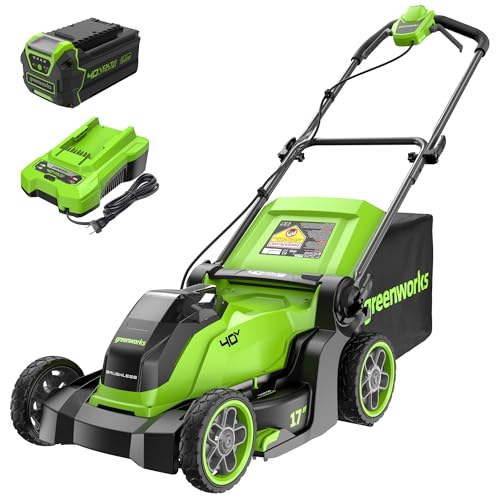
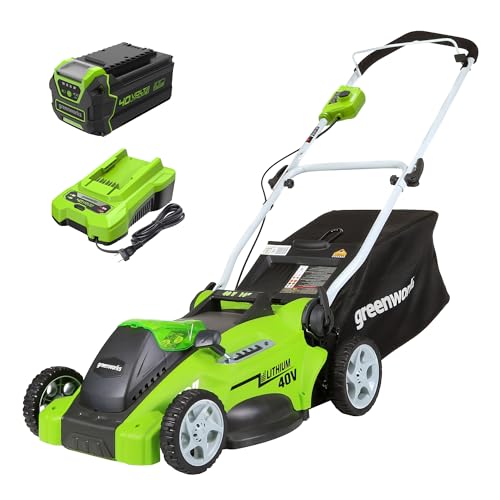
Top Rated Battery Powered Self Propelled Lawn Mower: Your Complete Buying Guide
Cut the cord, ditch the gas, and discover how modern battery powered self propelled mowers deliver whisper-quiet power, zero emissions, and effortless mowing — without compromising on performance.
Explore Top PicksWhy Choose a Battery Powered Self Propelled Mower?
The lawn care industry has undergone a remarkable transformation. Battery powered self propelled lawn mowers have evolved from niche novelties into serious alternatives to gas-powered machines. For homeowners who value convenience, environmental responsibility, and lower maintenance, these mowers represent a compelling upgrade.
The self-propelled feature is particularly significant. Rather than pushing the mower across the lawn, the machine drives itself forward at a pace you control. This reduces physical strain, makes mowing sloped or uneven terrain far more manageable, and shortens mowing time on larger properties. Combined with battery power, you get a machine that starts instantly, runs quietly, and produces zero exhaust emissions.
⚡ Instant Start, Zero Fuss
No pull cords, no choke, no priming. Press a button or squeeze a lever and you're mowing. Cold starts in spring are just as easy as mid-summer touch-ups.
🔇 Quieter Operation
Battery mowers run significantly quieter than gas models, making early-morning or evening mowing less disruptive to neighbors and family members.
🌿 Zero Emissions
No exhaust fumes, no oil leaks, no fuel storage. Battery mowers are a cleaner choice for your yard, your lungs, and the environment.
🔧 Minimal Maintenance
Forget oil changes, spark plugs, and carburetor cleaning. Battery mowers need only blade sharpening, battery care, and occasional cleaning.
If your lawn care routine could use a modernization, exploring a top rated battery powered self propelled lawn mower is a logical first step. You may also find it helpful to compare top rated self propelled battery powered lawn mowers side by side to understand how different models stack up.
How Self Propelled Battery Mowers Work
Understanding the mechanics helps you evaluate features more effectively. A self propelled mower uses a drive system — typically a belt, transmission, or direct-drive motor — to turn the wheels and move the machine forward. You control the speed via a lever or bail on the handlebar; release it and the drive disengages, allowing you to pull the mower backward freely.
Rear-Wheel vs Front-Wheel Drive
Most self propelled mowers fall into one of two categories:
- Rear-wheel drive (RWD): The drive wheels are at the back. This configuration provides superior traction, especially on inclines and in thick, lush grass. RWD mowers are generally preferred for sloped yards and uneven terrain.
- Front-wheel drive (FWD): The drive wheels are at the front. FWD mowers are typically lighter, more maneuverable, and easier to turn in tight spaces. They work well on flat, even lawns.
If your yard has slopes or hills, RWD is usually the better choice. For flat properties with lots of landscaping obstacles, FWD offers agility that RWD can't match.
Variable Speed vs Single Speed
Variable-speed self propelled systems let you adjust the mowing pace to match conditions — slower near flower beds, faster on open stretches. Single-speed systems operate at a fixed pace. Variable speed is a hallmark of mid-range and premium models, while entry-level mowers often use single-speed drive.
Brushless Motors: The Power Behind Modern Mowers
Premium battery mowers increasingly use brushless motors, which are more efficient, quieter, and longer-lasting than brushed motors. A brushless motor converts more battery energy into cutting power, extending runtime and improving cut quality in tall grass. If you're comparing models and want the best performance per charge, prioritize brushless motor technology.
For related lawn care topics, you may also want to explore guides on string trimmers and sprinkler systems to complete your outdoor maintenance toolkit.
Key Features That Separate Good from Great
Not all battery self propelled mowers are created equal. The following features are the ones that most directly impact your mowing experience, longevity, and satisfaction.
Cutting Deck Size and Material
Cutting widths typically range from 18 to 22 inches. A wider deck (21–22 inches) means fewer passes and faster mowing on large lawns. A narrower deck (18–19 inches) offers better maneuverability in tight spaces. Deck material matters too: steel decks are durable and handle rough terrain well, while composite or plastic decks resist rust and are lighter.
Battery Voltage and Capacity
Battery systems vary widely. Higher voltage (56V, 60V, 80V) generally indicates more power, but capacity (measured in amp-hours or watt-hours) determines runtime. A high-voltage battery with modest capacity may deliver ample power but shorter runtime; a lower-voltage system with a large battery may run longer but cut less aggressively in thick grass. Look for models that use the same battery platform across multiple tools — this lets you share batteries between your mower, trimmer, blower, and other outdoor equipment.
Mulching, Bagging, and Side Discharge
Versatility matters. A mower that offers mulching, bagging, and side discharge gives you options for different seasons and lawn conditions. Mulching returns nutrients to the soil and is ideal for routine cuts; bagging is useful when grass is overgrown or you want a pristine finish; side discharge handles tall grass without clogging.
Adjustable Cutting Height
Most models offer cutting heights from roughly 1 to 4 inches. Single-lever height adjustment is far more convenient than having to adjust each wheel individually. If you alternate between a short summer cut and a taller fall cut, this feature becomes a daily convenience.
Foldable Handles and Vertical Storage
Storage space is often at a premium. Mowers with foldable or telescoping handles can be stored compactly, and some premium models even stand vertically, saving significant floor space in the garage or shed.
Headlights and Smart Features
LED headlights extend usable mowing hours. Some high-end models include smart features like app connectivity, GPS tracking, or automatic blade-speed adjustment. These are nice-to-haves rather than essentials, but they can enhance convenience.
Value Tiers: Entry-Level vs Mid-Range vs Premium
To make comparisons meaningful without referencing specific prices, it helps to think in terms of market tiers. Each tier represents a distinct balance of features, build quality, and performance. The descriptors below are relative and reflect where a model sits in the broader market.
| Tier | Typical Characteristics | Best For |
|---|---|---|
| Entry-Level | Single-speed drive, brushed motor, smaller battery, basic cutting height adjustment, plastic or lighter steel deck | Small, flat lawns; budget-conscious buyers; first-time battery mower owners |
| Mid-Range | Variable-speed drive, brushless motor, larger battery, single-lever height adjustment, steel deck, mulching/bagging capability | Medium lawns; homeowners with slopes or mixed terrain; those wanting a balance of performance and value |
| Premium | High-capacity battery, advanced brushless motor, wide steel deck, smart features, vertical storage, premium warranty | Large properties; demanding users; those who want top-tier performance and longevity |
As a general rule, moving from entry-level to mid-range yields the most noticeable jump in day-to-day usability — particularly the addition of variable-speed drive and brushless motor technology. Premium models add refinement, capacity, and convenience features that appeal to users with larger lawns or higher expectations.
When evaluating top rated self propelled battery powered lawn mowers, compare models within the same tier first, then decide whether stepping up a tier justifies the added capability for your specific lawn size and terrain.
Top Rated Models Worth Considering
Below is a curated selection of battery powered self propelled mowers that consistently earn strong reviews and represent excellent choices within their respective tiers. These recommendations are based on aggregate user feedback, professional reviews, and feature analysis.
Entry-Level Standouts
For smaller, flat lawns, entry-level battery self propelled mowers offer an accessible introduction to cordless convenience. Look for models with a 19–20 inch deck, a reliable brushed motor, and a battery that delivers 30–40 minutes of runtime. These mowers are lightweight and easy to maneuver, making them ideal for homeowners who mow regularly and keep grass at a manageable height.
Mid-Range Sweet Spot
The mid-range tier is where most buyers find their best match. Variable-speed drive, brushless motors, and 21-inch steel decks are common here. Runtime typically extends to 45–60 minutes, and many models include mulching and bagging options. If you have a lawn between a quarter and half an acre, or if your property has gentle slopes, this tier delivers the most balanced value.
Premium Powerhouses
Premium battery self propelled mowers cater to large lawns and demanding conditions. Expect high-capacity batteries, advanced brushless motors, wide 22-inch decks, and features like vertical storage, LED headlights, and smart connectivity. These models are built to last and perform, and they often come with extended warranties. For properties approaching or exceeding half an acre, the premium tier's longer runtime and robust build are worth the investment.
If you're also considering used equipment as a stepping stone, you might explore listings for used self propelled lawn mowers for sale near me or used self propelled lawn mowers for sale by owner near me to compare options. However, for the latest battery technology and warranty coverage, new models remain the safer choice.
For those who prefer a traditional gas-powered alternative, guides on electric start gas walk behind self propelled lawn mower models are also available. And if you're weighing a riding mower for a larger property, resources on used riding lawn mowers for sale in my area and zero turn mowers for sale can help you explore that path.
Buying Checklist: What to Look For
Before committing to a purchase, run through this checklist to ensure the model you choose aligns with your needs.
✅ Lawn Size & Runtime
Estimate your lawn's square footage and match it to the mower's rated runtime. Consider buying a spare battery if your lawn is near the upper limit of a single charge.
✅ Terrain & Drive Type
Slopes and hills demand rear-wheel drive and strong traction. Flat lawns can benefit from the agility of front-wheel drive.
✅ Deck Size & Material
Larger decks save time; smaller decks maneuver better. Steel decks handle rough use; composite decks resist rust and reduce weight.
✅ Battery Platform
If you already own battery-powered outdoor tools from a particular brand, choosing a mower on the same platform lets you share batteries and chargers.
✅ Cutting Options
Mulching, bagging, and side discharge give you flexibility across seasons and grass conditions.
✅ Storage & Handle
Foldable or vertical storage is invaluable if garage space is tight. Check the folded dimensions before buying.
✅ Warranty & Support
Longer warranties on the mower and battery indicate manufacturer confidence. Check the availability of replacement parts and service centers.
✅ Weight & Maneuverability
Battery mowers are generally lighter than gas models, but weight still matters. Consider how easily you can push the mower when the drive is disengaged.
If your property also includes landscaping elements like walkways or water features, you may find our guides on walkways & paths and water features helpful for creating a cohesive outdoor space.
Battery Care & Maintenance Tips
Battery powered mowers are low-maintenance, but proper care extends their lifespan and ensures consistent performance.
Battery Do's and Don'ts
- Do store batteries at room temperature, away from extreme heat or cold.
- Do keep batteries partially charged (around 40–60%) during long-term storage.
- Do use the manufacturer's charger and follow charging guidelines.
- Don't leave batteries fully discharged for extended periods.
- Don't expose batteries to moisture or store them outdoors in damp conditions.
- Don't attempt to open or repair batteries yourself.
Blade Maintenance
Keep the blade sharp for clean cuts and efficient battery use. A dull blade forces the motor to work harder, draining the battery faster and leaving grass with ragged edges. Sharpen the blade at the start of each season and inspect it monthly during heavy use.
Cleaning and Storage
After each mowing session, clear grass clippings from the deck and underside. A clean deck reduces friction and prevents rust. Before storing for winter, clean the mower thoroughly, remove the battery, and store it indoors. Fold the handle if the mower supports it to save space.
For broader lawn care guidance, explore our resources on sprinkler system installation cost and underground sprinkler system installation near me to keep your lawn healthy between mowings.
Frequently Asked Questions
Ready to Find Your Perfect Battery Self Propelled Mower?
Explore our curated selection of top rated models from Amazon and take the first step toward a quieter, cleaner, and easier mowing experience.
View Recommended Models