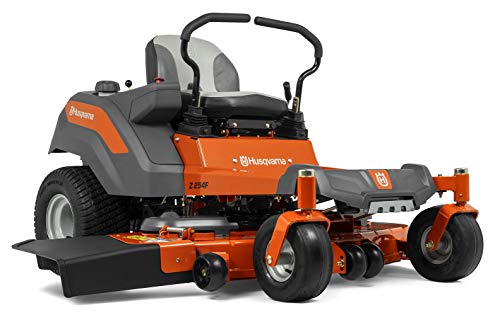
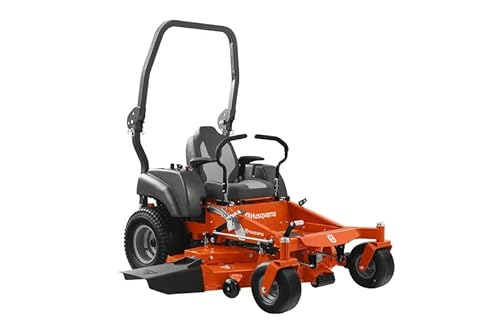
Zero Turn Mowers for Sale: Find the Right Mower for Your Lawn
Cut mowing time in half and get a manicured finish with a zero turn mower. This research-backed buyer's guide breaks down deck sizes, transmission types, residential versus commercial builds, and the features that actually matter so you can buy with confidence.
Browse Zero Turn MowersWhy zero turn mowers dominate large lawns: A zero turn mower steers with independent rear-wheel drive, letting it pivot in place and hug obstacles that a garden tractor has to circle. On an acre or more of open turf, that maneuverability translates to dramatically faster mowing and fewer trim passes. The trade-off is a learning curve and a higher upfront investment, so choosing the right tier and deck size matters more than buying the biggest machine available.
What Is a Zero Turn Mower and Who Should Buy One?
A zero turn mower is a riding mower that uses two separate hydrostatic drive systems to control each rear wheel independently. Push both control levers forward and the mower moves straight; pull one back and it pivots around the other wheel with a turning radius of essentially zero. That design is why landscapers and large-property owners favor them: wide decks combined with fast pivots mean fewer passes, less backing up, and cleaner edges around beds, trees, and fences.
Zero turn mowers make the most sense for lawns of roughly half an acre or larger with relatively open turf and a manageable number of obstacles. For small, heavily landscaped yards, a walk-behind or a lawn tractor may be more practical, and if you need to tow attachments, aerate, or plow snow, a garden tractor remains the better all-rounder. If your property is on the smaller side, our guides on used walk-behind mowers and self-propelled mowers can help you weigh the alternatives.
Buyers researching zero turn mowers for sale typically already know they want one. The real decisions are deck width, engine and transmission quality, and whether a residential or commercial build is warranted. The sections below walk through each of those in plain terms.
Deck Size: The First Decision That Shapes Everything Else
Deck width determines how much ground you cover per pass, how much storage space the mower needs, and how well it fits through gates. Oversizing the deck is one of the most common buying mistakes, especially on properties with narrow side yards or tight shed doors.
42–48 Inch Decks
Entry-level residential territory. These decks fit through most standard gates, store easily in a garage, and maneuver comfortably around beds. Best for lawns under roughly one acre with a moderate number of obstacles.
48–54 Inch Decks
The sweet spot for one to three acres. Wider decks cut mowing time noticeably while still fitting most residential storage. Mid-range models in this size class typically offer stronger transmissions and more comfortable seating.
60 Inch and Up
Premium residential and commercial territory. Maximum coverage per pass for three acres or more, but these decks demand wide gates, generous storage, and open turf to be worth the trade-off.
Residential vs Commercial Builds: Know the Difference
The biggest hidden variable in zero turn mowers for sale is build duty rating. Two mowers with identical deck widths can differ enormously in frame thickness, transmission quality, and engine longevity. Understanding the tiers prevents both overpaying for capability you will never use and underbuying a machine that wears out prematurely.
| Feature | Entry-Level Residential | Mid-Range Residential | Premium / Commercial |
|---|---|---|---|
| Frame | Stamped or light welded steel | Welded steel frame | Heavy-gauge welded steel, reinforced |
| Transmission | Entry-grade hydrostatic | Mid-tier hydrostatic with serviceable filters | Commercial-grade hydrostatic, high torque |
| Engine | Compact V-twin | Mid-size V-twin | High-horsepower V-twin or EFI |
| Deck | Thinner stamped steel | Fabricated or heavy stamped steel | 7-gauge fabricated steel |
| Typical Use | Occasional, light-duty mowing | Regular residential mowing | Daily or multi-property use |
| Lifespan Under Heavy Use | Shorter | Moderate | Longest |
For a homeowner mowing one to two acres weekly, a mid-range residential model usually delivers the best balance of durability and comfort. Commercial builds make sense for landscapers, large estates, or anyone mowing multiple properties. If budget is the primary constraint, the used market offers strong value — our guide to used commercial zero turn mowers covers what to inspect before buying secondhand.
Features That Actually Matter (And Ones That Don't)
Marketing sheets list dozens of features, but a handful genuinely affect day-to-day ownership. Prioritize these when comparing models:
- Serviceable hydrostatic transmissions — External oil filters and drain plugs make routine maintenance possible and extend transmission life. Sealed, non-serviceable units are a long-term liability.
- Fabricated vs stamped decks — Fabricated decks resist dents and hold their shape over years of use. Stamped decks are lighter and fine for entry-level mowing, but they flex and dent more easily.
- Cut height adjustment — Foot-operated or lever-based height adjustment with multiple positions lets you adapt to season and grass type without tools.
- Seat suspension — On rough ground or large properties, a suspended seat dramatically reduces fatigue. It is one of the most underrated comfort upgrades.
- Rollover protection system (ROPS) — Essential on any slope. A folding ROPS is standard on quality models and should never be removed.
- Easy deck access — A deck that tilts up or a removable discharge chute makes blade changes and underside cleaning far faster.
- Headlights and hour meter — Practical for evening mowing and tracking maintenance intervals.
Features that matter less than they appear: oversized cup holders, aggressive styling packages, and app connectivity on residential models. None of them affect cut quality or machine longevity.
How to Buy a Zero Turn Mower: A Step-by-Step Approach
Buyers comparing options also frequently weigh new versus used. The used market can stretch your budget into a higher tier — our guides to zero turn mowers for sale by owner and zero turn mowers in your area explain what to check and how to avoid common pitfalls.
Keeping a Zero Turn Mower Running for the Long Haul
A zero turn mower is a substantial investment, and routine care determines whether it lasts a decade or a few seasons. The essentials are straightforward: sharpen or replace blades every 20 to 25 hours of use, clean the deck underside after each mowing session to prevent grass buildup and rust, check tire pressure weekly since uneven pressure causes uneven cuts, and follow the manufacturer's interval for engine oil, air filters, and hydrostatic fluid.
Store the mower under cover, and if it sits for months, run the engine periodically or use a fuel stabilizer. Battery maintenance matters too — a trickle charger prevents the seasonal no-start that catches many owners off guard. For broader lawn health guidance that pairs with regular mowing, see our resources on lawn care and string trimmers for finishing edges.
Frequently Asked Questions About Zero Turn Mowers for Sale
What size zero turn mower do I need for my lawn?
As a general rule, entry-level residential models with 42 to 48-inch decks suit lawns under one acre, mid-range 48 to 54-inch decks handle one to three acres, and premium 60-inch-plus decks are best for three acres or more. Wider decks cut faster but need more storage space and maneuverability room. Measure your gates and storage openings before committing to a deck size.
Are zero turn mowers good for hills?
Zero turn mowers handle gentle slopes well when operated correctly, but they are not ideal for steep or wet hills. Look for models with a lower center of gravity, wider rear tires, and a rollover protection system. Always mow up and down slopes, never across, and follow the manufacturer's slope rating. On significant slopes, a garden tractor may be the safer choice.
What is the difference between residential and commercial zero turn mowers?
Residential zero turn mowers use lighter-duty frames, smaller engines, and thinner decks built for occasional use. Commercial models feature welded steel decks, heavier hydrostatic transmissions, higher horsepower engines, and reinforced frames designed for daily, all-day operation. Commercial mowers cost more but last far longer under heavy use, making them worthwhile for landscapers and multi-property owners.
How fast do zero turn mowers go?
Most residential zero turn mowers top out around 6 to 8 mph, while commercial models can reach 10 to 12 mph. Faster ground speed matters less than deck width and maneuverability for overall mowing time. Always mow at a safe speed that gives a clean cut and lets you react to obstacles.
Ready to Choose Your Zero Turn Mower?
Zero turn mowers reward buyers who match deck size and duty tier to their actual property and mowing habits. Start with turf area and gates, confirm terrain and slope suitability, then choose a build quality that fits how often you mow. Get those three decisions right, verify transmission serviceability, and sit on the machine before buying — the rest is refinement.
Below you will find a curated selection of zero turn mowers for sale, spanning entry-level residential models through premium commercial builds, so you can compare features side by side and purchase through a trusted retailer.