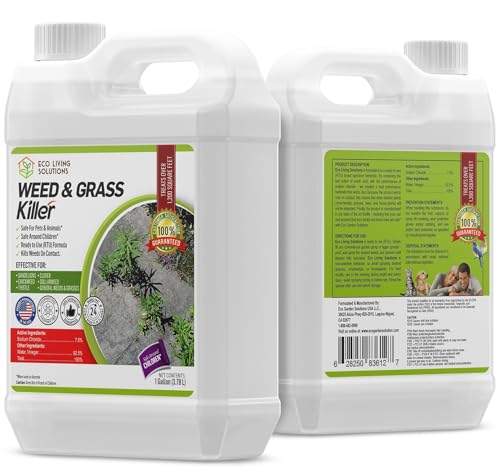
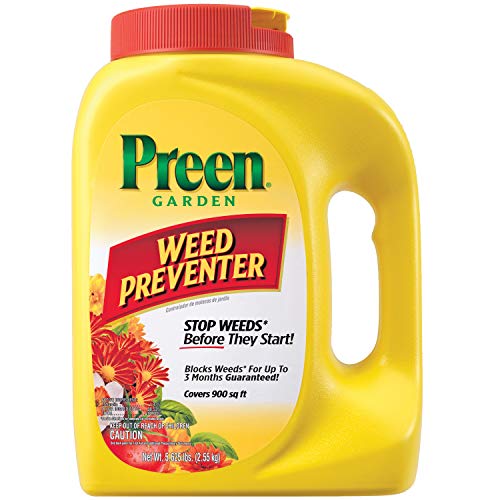
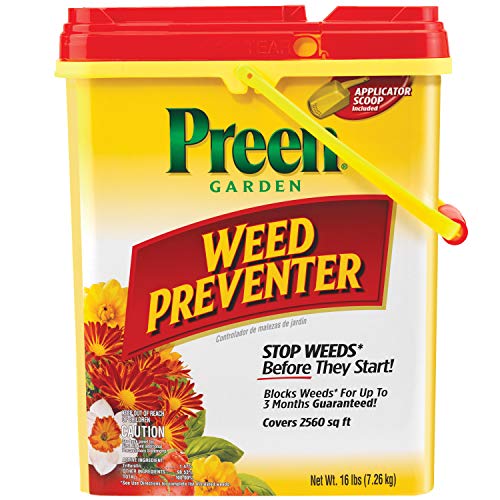
Weed and Grass Killer Safe for Vegetable Gardens: The Complete Buyer's Guide
Protect your harvest while winning the war on weeds. This research-backed guide explains which weed and grass killers are safe around edibles, how they work, and how to apply them without harming your soil, your plants, or your family.
See Recommended Safe Weed KillersWhy this guide matters: Vegetables absorb whatever touches the soil and the leaves, so a careless herbicide choice can contaminate your crop for weeks. If you are still researching before buying, this page gives you the full picture — how safe products behave, which tiers of products exist, how to apply them correctly, and how to avoid the most common mistakes.
What "Safe for Vegetable Gardens" Really Means
Not every weed killer labelled "natural" or "organic" is automatically safe around edibles. A product is truly vegetable-garden safe when it meets three conditions: it has no harmful soil residual, it breaks down quickly after contact, and it does not translocate into edible plant tissue. Contact herbicides based on acetic acid, citric acid, or iron (FeHEDTA) satisfy these criteria, which is why they dominate the organic market. Synthetic systemic herbicides such as glyphosate can kill vegetables outright and leave residue that affects the next planting, so they are generally excluded from active vegetable beds.
Understanding the difference between selective and non-selective products is the second key. Selective herbicides target broadleaf weeds or grasses without killing the surrounding crop, while non-selective contact killers burn everything they touch. In a mixed vegetable bed, non-selective spot treatment is usually the safer route because selective products are formulated around turf and ornamental plants, not edible crops. For a broader comparison of product categories, see our guide to the best weed and grass killer on the market.
Types of Weed and Grass Killers Safe for Vegetable Gardens
Acetic Acid (Horticultural Vinegar)
A fast-acting contact killer that burns weed foliage within hours. Effective on young, small weeds and best applied on a sunny, dry day.
Entry-level · Budget-friendlyCitric Acid-Based Herbicides
Plant-derived contact killers that degrade quickly in soil. Gentle around established vegetables but require repeat applications on stubborn weeds.
Mid-tier · OrganicIron-Based (FeHEDTA) Killers
Iron chelate disrupts weed cell walls without synthetic chemistry. A popular premium organic option with reliable results on broadleaf weeds.
Premium · Top-tier organicCorn Gluten Meal (Pre-Emergent)
A natural pre-emergent that stops weed seeds from sprouting. Ideal for pathways and bed edges, not for active weed patches.
Mid-range · PreventiveSoap and Vinegar Blends (DIY)
Homemade mixes using vinegar and dish soap are popular with home gardeners. Effective on small weeds but inconsistent on mature grasses.
Budget-friendly · DIYMulch and Physical Barriers
Not a spray, but the most reliable long-term defense. A thick organic mulch layer smothers weeds and improves soil health simultaneously.
Entry-level · Non-chemicalEach category carries trade-offs. Contact killers deliver fast visible results but demand precision spraying. Pre-emergents prevent future weeds but do nothing to existing plants. For homeowners who want a ready-made solution, a vinegar and dish soap weed killer is a practical starting point, while gardeners managing larger beds often pair contact sprays with weeding tools for the best long-term result.
Comparison Table: Safe Options at a Glance
| Product Type | How It Works | Soil Residual | Best For | Market Tier |
|---|---|---|---|---|
| Horticultural Vinegar (20%) | Contact burn on foliage | None — degrades in days | Young weeds, paths, bed edges | Entry-level |
| Citric Acid Herbicide | Contact desiccation | None — rapid breakdown | Organic beds, small patches | Mid-tier |
| Iron (FeHEDTA) Killer | Disrupts cell structure | None — iron is a nutrient | Broadleaf weeds in edible beds | Premium |
| Corn Gluten Meal | Prevents seed germination | None — acts as fertilizer | Pathways, bed perimeters | Mid-range |
| DIY Vinegar + Soap | Contact burn | None | Small young weeds, hardscapes | Budget-friendly |
How to Apply Safely Around Edibles
Even a safe product becomes risky when applied carelessly. The most common mistake is overspray drifting onto vegetable leaves during a windy afternoon. Always spray on a calm morning, use a shield or cardboard barrier around desired plants, and keep the nozzle close to the weed so the stream stays controlled. For a deeper dive into product selection that protects surrounding plants, our article on a weed killer for flower beds that won't kill plants offers useful overlap for mixed plantings.
Step-by-Step Application
- Identify the weeds. Grasses, broadleaf weeds, and creeping runners respond differently to contact sprays.
- Water the soil the day before. Hydrated weeds absorb contact herbicides more reliably.
- Spray on a dry, sunny morning. Rain within six hours washes the product away.
- Use a targeted nozzle. A narrow cone pattern keeps spray off vegetable foliage.
- Recheck after 48 hours. Contact killers show burn marks quickly; re-treat survivors after a week.
Pro tip: Keep a watering can handy to rinse any accidental spray off desirable plants immediately. Speed matters — contact products act within minutes.
Protecting the Soil and Your Harvest
Soil health is the real long-term investment in a vegetable garden. Organic contact killers leave no persistent chemistry, but they can temporarily affect soil microbes near the spray zone. Rotating organic matter back into the bed, adding compost, and mulching heavily after treatment restores microbial activity quickly. If your garden includes a lawn border, remember that products designed for turf are not automatically safe for edibles — our guide to the best weed killer that won't kill grass explains the selective chemistry used in lawns and why it should be kept away from vegetable beds.
For gardens where pets also roam, safety around animals is an added consideration. Contact organic products are generally low-risk once dry, but pet-safe formulations are worth choosing explicitly. Our guide to a weed and grass killer that is safe for pets covers the specific products and waiting intervals for pet owners.
Common Mistakes to Avoid
- Spraying on windy days. Drift is the number one cause of accidental vegetable damage.
- Using lawn herbicide in vegetable beds. Turf-selective products are not formulated for edible crops.
- Ignoring the plant-back interval. Some synthetic products require waiting weeks before replanting.
- Over-applying. More product does not mean faster results — contact killers have a saturation point.
- Skipping mulch. Without mulch, weeds return within weeks and the cycle repeats.
Frequently Asked Questions
What is the safest weed killer for a vegetable garden?
The safest options are non-selective organic products based on acetic acid, citric acid, or iron (FeHEDTA), plus physical methods like hand-pulling and mulching. These break down quickly and leave no harmful residue in the soil, so you can replant or harvest with confidence.
Can I use vinegar as a weed killer in my vegetable garden?
Yes, horticultural vinegar with 20% acetic acid is effective for spot-treating weeds in vegetable gardens. Household vinegar (5%) is too weak for most weeds. Always apply on a sunny day, avoid contact with desirable plants, and wear protective gear because high-strength vinegar can burn skin and eyes.
Do I need to wait before planting after using a weed killer?
It depends on the product. Organic contact killers like acetic acid and iron-based herbicides have no soil residual, so you can plant as soon as the spray dries. Synthetic products such as glyphosate require a waiting period of several days to weeks. Always read the label for the specific plant-back interval.
How do I stop grass from invading my vegetable beds?
Use physical barriers such as edging or landscape fabric, maintain a thick mulch layer, and remove grass runners by hand before they spread. For persistent patches, spot-treat with an organic contact herbicide and install a root barrier along the bed perimeter.
Final Checklist Before You Buy
Before committing to any product, confirm five things: the label states it is safe around edible crops or approved for organic production, the active ingredient is a contact acid or iron chelate rather than a systemic synthetic, the product has no long soil residual, you have a targeted sprayer and a calm day to apply it, and you have a mulch plan to prevent regrowth. Gardeners who combine a safe contact killer with consistent mulching and hand-weeding see the cleanest, healthiest vegetable beds season after season.