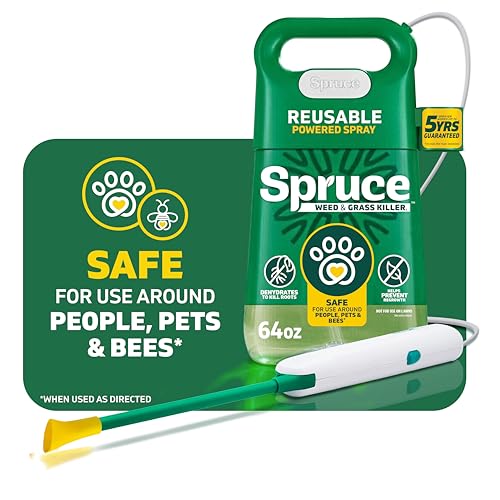
The Best Weed Killer That Won't Kill Grass
Discover selective herbicides that target weeds while protecting your lawn. Learn how to choose, apply, and time weed killers safely for a healthier, greener turf.
Why this guide matters: Choosing a weed killer that won't damage your grass is one of the most common lawn-care challenges. This guide explains how selective herbicides work, which active ingredients are safe for specific turf types, and the application practices that protect your lawn while eliminating weeds. You will leave with a clear, practical plan for a weed-free yard without harming the grass you have worked so hard to grow.
What Makes a Weed Killer "Grass-Safe"?
A weed killer that won't kill grass is called a selective herbicide. Unlike non-selective products such as glyphosate, which destroy any plant they contact, selective herbicides are formulated to target specific plant types—usually broadleaf weeds—while leaving established turfgrass unharmed. The key is the active ingredient and how it interacts with the physiology of different plants. Broadleaf weeds have different growth hormones and leaf structures than grasses, allowing certain chemicals to disrupt weeds without injuring turf.
Understanding this distinction is essential before you buy any product. Many homeowners accidentally damage their lawns by using a non-selective herbicide near turf edges or by misidentifying the weed type. If you are still deciding between different approaches, our guide on weed killer for lawns that won't kill grass expands on lawn-specific product selection, while the best weed and grass killer on the market covers combined products that address both weeds and unwanted grasses.
Types of Selective Herbicides for Lawns
Selective herbicides fall into three main categories based on when and how they act. Each serves a different purpose, and the best choice depends on your weed problem, turfgrass species, and timing.
1. Pre-Emergent Herbicides
Pre-emergents are applied before weed seeds germinate. They create a chemical barrier in the soil that prevents seedling roots from developing. These are ideal for annual weeds like crabgrass and foxtail. Pre-emergents do not kill existing weeds, so they are best used as a preventive measure in early spring or fall. They are generally safe for established turf when applied at the correct rate.
2. Post-Emergent Herbicides
Post-emergents kill weeds that are already growing. They are the most common type used by homeowners dealing with visible weeds. Selective post-emergents for broadleaf weeds include active ingredients like 2,4-D, dicamba, and MCPP. For grassy weeds in lawns, products containing quinclorac or fenoxaprop are often used. These herbicides are absorbed through leaves and move through the plant to kill it from the root.
3. Contact vs. Systemic Herbicides
Contact herbicides kill only the plant tissue they touch, which means they may not destroy deep roots and often require repeat applications. Systemic herbicides are absorbed and translocated throughout the plant, providing more thorough control. Most selective lawn herbicides are systemic, which makes them more effective for stubborn perennial weeds like dandelions and thistle.
Key Active Ingredients and What They Target
The label is your most important tool. The active ingredient determines which weeds are controlled and which grasses are safe. Below is a practical comparison of common selective herbicide ingredients used in residential lawn care.
| Active Ingredient | Target Weeds | Safe For | Notes |
|---|---|---|---|
| 2,4-D | Broadleaf weeds (dandelion, clover, plantain) | Most cool- and warm-season grasses | Widely used; avoid drift onto flowers and shrubs |
| Dicamba | Broadleaf weeds, especially tough perennials | Established turfgrasses | Effective in cooler temperatures; use carefully near trees |
| Quinclorac | Crabgrass, foxtail, broadleaf weeds | Most lawns, especially cool-season grasses | Good post-emergent option for grassy weeds |
| MCPP / Mecoprop | Clover, chickweed, broadleaf weeds | Common lawn grasses | Often combined with 2,4-D for broader control |
| Fenoxaprop | Grassy weeds in broadleaf turf | Specific grass types (check label) | Not for all lawns; read turfgrass restrictions carefully |
How to Choose the Best Weed Killer for Your Lawn
Selecting the right product is not about brand names—it is about matching the herbicide to your grass type, the weed species, and the season. Follow this practical decision process before you buy.
- Identify your grass type first. Knowing whether you have Bermuda, fescue, St. Augustine, or zoysia determines which active ingredients are safe. Applying the wrong herbicide can thin or kill your lawn.
- Identify the weed. Broadleaf weeds require different products than grassy weeds. Take a close-up photo and compare leaf shape, growth habit, and seed heads. Local extension offices can help with identification.
- Check the label for turfgrass tolerance. Every selective herbicide lists the grasses it is safe for and the application rates. Never assume a product is safe for your lawn just because it says "lawn weed killer."
- Match the timing. Pre-emergents go down before weed seeds sprout. Post-emergents work best on young, actively growing weeds. Applying at the wrong stage wastes product and may stress turf.
- Consider your landscape. If you have flower beds, vegetable gardens, or pets, choose products with clear safety guidance. For gardens, see weed and grass killer safe for vegetable gardens. For households with animals, refer to weed and grass killer that is safe for pets and pet-safe weed killer that won't kill grass.
Application Tips to Protect Your Grass
Even the right product can damage turf if applied incorrectly. These practices reduce risk and improve weed control:
- Calibrate your sprayer. Applying too much herbicide is a leading cause of lawn damage. Measure the output and follow the label rate precisely.
- Spray when temperatures are moderate. Avoid application during heat stress or drought. Early morning or late afternoon is usually best, and avoid windy days to prevent drift.
- Do not mow immediately before or after. Allow weeds to grow enough leaf surface to absorb the herbicide. Wait at least two days after mowing before spraying, and avoid mowing for a few days afterward.
- Spot-treat when possible. Targeted spraying reduces the total chemical load and protects desirable plants. Use a shielded sprayer near flower beds and shrubs.
- Water appropriately. Pre-emergents typically need light watering to activate, while post-emergents often require a rain-free period on the label. Follow product-specific instructions.
- Protect adjacent plants. Herbicide drift can injure flowers and vegetables. For flower beds, use weed killer for flower beds that won't kill plants or spot-treat with a shielded applicator.
When to Call a Professional
Some situations require professional guidance. If your lawn has extensive weed pressure, mixed grass species, or you are unsure about turfgrass tolerance, a licensed lawn-care professional can assess your yard and recommend a safe, targeted program. This is especially important for large properties or lawns with sensitive landscaping. For homeowners who prefer to handle equipment themselves, reliable tools like sprinkler systems and properly maintained string trimmers support healthier turf and reduce weed encroachment.
Prevention: The Long-Term Strategy
The best weed killer is a healthy, dense lawn. Weeds exploit thin, stressed turf, so improving lawn health reduces the need for herbicides over time. Key prevention practices include:
- Maintain proper mowing height. Taller grass shades the soil and reduces weed seed germination. Avoid cutting more than one-third of the blade height at once.
- Fertilize appropriately. Balanced nutrition supports dense growth. Starter fertilizers and seasonal feeding programs help turf outcompete weeds. For new lawns, see starter fertilizer for grass.
- Water deeply and infrequently. Deep watering encourages deep roots and stronger turf. Proper irrigation design, such as sprinkler installation, supports consistent lawn health.
- Aerate and overseed. Reducing soil compaction and filling bare spots prevents weed establishment. For cool-season lawns, consider tall fescue as a durable, weed-resistant option.
- Use mulch and landscape plants strategically. Well-designed beds and borders reduce weed pressure around lawns. Explore hardscaping and landscaping ideas for front of house flower beds for low-maintenance designs.
Ready to take control of your lawn? Review our recommended selective weed-control products below and choose the option that matches your grass type and weed problem.
Frequently Asked Questions
What is the best weed killer that won't kill grass?
The best weed killer is a selective post-emergent herbicide labeled for your specific turfgrass type. Products containing 2,4-D, dicamba, or quinclorac are common lawn-safe options. The key is matching the active ingredient to your grass species and applying at the correct rate and timing.
Will weed killer that won't kill grass also kill flowers?
Many selective lawn herbicides can harm ornamental flowers and garden plants. Always read the label and avoid spraying near flower beds. Use dedicated flower-bed-safe products or spot-treat weeds carefully to prevent drift damage.
How often should I apply selective weed killer to my lawn?
Most selective herbicides are applied once or twice per growing season, depending on the product and weed pressure. Follow the manufacturer label for reapplication intervals. Over-application can stress turf, so timing and dosage matter more than frequency.
Can I use vinegar and dish soap as a weed killer without killing grass?
Homemade vinegar and dish soap solutions are non-selective and will damage grass on contact. They are best used in cracks, walkways, or areas without desirable plants. For a safer homemade option, see weed killer made with vinegar and Dawn dish soap and use it only where grass protection is not required.
What if my lawn has both weeds and unwanted grass?
If you need to remove unwanted grass without killing your primary turf, this is challenging because most grass-selective herbicides target specific species. In mixed-grass situations, a professional can help identify safe options. Avoid non-selective products on your lawn unless you plan to reseed the area.
Final Thoughts
Choosing a weed killer that won't kill grass comes down to three factors: your grass type, the weed species, and correct application. Selective herbicides give homeowners a reliable tool for maintaining a healthy lawn, but they are most effective when combined with good cultural practices—proper mowing, watering, fertilization, and overseeding. Start with a small spot test if you are unsure, follow the label closely, and prioritize long-term lawn health over quick chemical fixes. With the right approach, you can eliminate weeds and keep your grass thriving season after season.