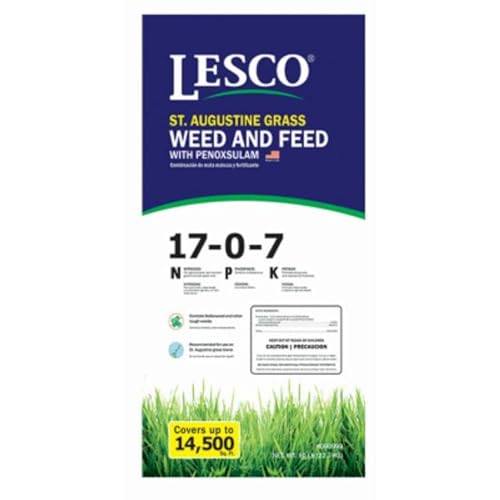
The Best Weed and Feed for St Augustine Grass
A complete buyer's guide to choosing the right weed and feed product for your St Augustine lawn — so you can knock out weeds without harming your grass.
Quick answer: The best weed and feed for St Augustine grass is one specifically labeled safe for the variety — typically a granular product applied in late spring to early summer, when the grass is actively growing and weeds are young. St Augustine is more sensitive than other turfgrasses to certain herbicides, so product selection matters more here than almost anywhere else.
This guide breaks down what to look for, when to apply, and how to avoid the most common mistakes that damage St Augustine lawns.
Why St Augustine Grass Needs a Special Approach
St Augustine is a warm-season grass known for its thick, broad blades and lush carpet-like appearance. It's a favorite across the southern United States because it tolerates heat and humidity well. But that same broad leaf structure makes it vulnerable to herbicides designed for finer-bladed grasses.
Many standard weed and feed products contain 2,4-D, a broadleaf herbicide that can severely injure or kill St Augustine. For that reason, you should never grab a generic weed and feed off the shelf without checking the label. Products labeled for use on St Augustine — often containing atrazine or pendimethalin — are the safe choice.
If you're also working on overall lawn health, pairing a proper weed and feed program with consistent maintenance will give you the best results. Techniques like installing a reliable sprinkler system and following a good starter fertilizer routine for grass support the kind of vigorous growth that naturally crowds out weeds.
What to Look for in a Weed and Feed for St Augustine
Before comparing products, here are the criteria that actually matter:
- Labeled safe for St Augustine: Non-negotiable. Check the label for "St Augustine" or "St Augustinegrass."
- Herbicide type: Atrazine is the most common and reliable post-emergent herbicide for St Augustine lawns. Pendimethalin and dithiopyr are common pre-emergent options.
- Nitrogen ratio: St Augustine responds well to a nitrogen-forward fertilizer. A slow-release formula reduces the risk of burn.
- Granular vs. liquid: Granular is easier to apply evenly with a spreader; liquid is more precise but less forgiving.
- Slow-release nitrogen: Feeds the lawn gradually over weeks rather than dumping nutrients all at once.
You'll also want to match the product to your specific weed problem. Crabgrass, pennywort, and dandelions each respond differently to active ingredients. If weeds are the primary issue, a targeted weed killer for lawns that won't kill grass may be more effective than a combo product.
Top Weed and Feed Products for St Augustine Grass
The table below compares the most commonly recommended weed and feed types for St Augustine lawns. Descriptors reflect relative market positioning rather than absolute pricing.
| Product Type | Key Ingredient | Best For | Market Tier |
|---|---|---|---|
| Granular weed and feed (atrazine-based) | Atrazine + slow-release nitrogen | Broadleaf weeds like pennywort and dandelion | Mid-range |
| Pre-emergent + fertilizer combo | Pendimethalin + nitrogen | Crabgrass prevention in spring | Mid-tier |
| Organic-based weed and feed | Corn gluten meal + natural nutrients | Gentle pre-emergent control for sensitive lawns | Premium |
| Liquid concentrate weed and feed | Atrazine + liquid fertilizer | Targeted spot treatment | Entry-level |
| Slow-release granular (no herbicide) | Slow-release nitrogen | Lawn thickening where weeds are minimal | Budget-friendly |
For most homeowners, a granular atrazine-based product labeled for St Augustine is the safest, most effective starting point. Higher-tier products generally offer better slow-release technology and more consistent granule distribution, but entry-level and mid-range options are perfectly capable when applied correctly.
When to Apply Weed and Feed on St Augustine
Timing is arguably as important as product choice. Here's the general rule:
- Late spring to early summer: The ideal window. The grass is actively growing, soil temperatures are warm, and young weeds are most vulnerable.
- Early fall (optional): A second application can help control winter weeds, but only if your local climate supports fall growth.
- Avoid: Drought stress, extreme heat, and the first mowing after green-up. Stressed grass absorbs herbicides unpredictably.
Water the lawn lightly a day or two before application so the granules stick to the soil, then water again after application according to the label. Consistent moisture is critical — a well-planned sprinkler installation makes this much easier to manage.
If you're fighting weeds in other parts of the yard too, you may need different tools. A weed killer for flower beds that won't kill plants handles ornamental areas, while a weed and grass killer safe for vegetable gardens is better suited for edible beds.
How to Apply Weed and Feed Correctly
- Read the label. Every product has specific application rates and restrictions. Follow them exactly.
- Set your spreader. Use a broadcast or drop spreader calibrated to the product's recommended rate.
- Apply evenly in two directions. Go in a grid pattern to avoid streaks or overlaps that can burn the grass.
- Water in lightly. Most granular products need 0.25–0.5 inches of water to activate the herbicide.
- Keep pets and kids off the lawn until the product has been watered in and dried, per label instructions.
For dog owners, it's worth noting that many lawn chemicals are not pet-safe. If that's a concern, consider a weed and grass killer that is safe for pets instead. Likewise, if you're dealing with a product that has been sitting in the garage, make sure it hasn't degraded before applying.
Common Mistakes to Avoid
- Using a product not labeled for St Augustine. This is the #1 cause of lawn damage. 2,4-D and certain other herbicides will thin or kill St Augustine.
- Applying during heat or drought stress. Wait for a cooler, well-watered period.
- Over-applying. More is not better. Over-application burns the lawn and wastes product.
- Applying right before rain. Heavy rain can wash granules into runoff or concentrate them unevenly.
- Mowing too soon. Wait 2–3 days after application before mowing to allow uptake.
If you're also managing other lawn issues, keeping up with mowing and edging helps. A reliable string trimmer makes clean edges easy, and regular maintenance overall supports a healthier, denser lawn that resists weeds naturally.
Frequently Asked Questions
What is the best time to apply weed and feed on St Augustine grass?
Late spring to early summer is the sweet spot — the grass is growing actively and weeds are young and vulnerable. Avoid applying during drought stress or extreme heat.
Can weed and feed damage St Augustine grass?
Yes, if you use a product not labeled for St Augustine or apply at the wrong rate. Always check the label and follow application instructions precisely.
How often should I use weed and feed on St Augustine grass?
Most products are designed for one or two applications per season. More frequent use risks stressing the lawn. Always follow the manufacturer's guidelines.
What if my lawn has both weeds and bare spots?
Focus on weed control first, then thicken the lawn with regular fertilization and watering. Dense grass is the best long-term weed prevention.
Ready to Get Your St Augustine Lawn in Shape?
Browse our recommended weed and feed products and lawn care essentials below.
See Recommended Products