Pre-Emergent Herbicide for Crabgrass
Stop crabgrass before it starts. Learn how pre-emergent herbicides work, when to apply them, and which products are most effective for a pristine lawn.
Crabgrass is one of the most common and frustrating weeds for homeowners. It sprouts in late spring, quickly takes over thin or bare patches, and can ruin the look of an otherwise healthy lawn. The most effective defense? A pre-emergent herbicide. Unlike post-emergent weed killers that attack existing weeds, pre-emergents create a barrier in the soil that stops crabgrass seeds from germinating at all.
If you're tired of battling crabgrass every summer, this guide will help you understand exactly how pre-emergent herbicides work, when to apply them, and which products deliver the best results. With the right strategy, you can enjoy a thick, green lawn without the constant weeding.
✅ Key Insight: Pre-emergent herbicides are most effective when applied before soil temperatures reach 55°F (13°C) for several consecutive days. This is typically in early spring, just as forsythia blooms begin to fade.
What Is a Pre-Emergent Herbicide?
A pre-emergent herbicide is a type of weed control that prevents weed seeds from germinating. It doesn't kill existing weeds; instead, it creates a chemical barrier in the top layer of soil. When crabgrass seeds begin to sprout, they absorb the herbicide and are stopped before they can establish roots and leaves.
Most pre-emergents are available in granular or liquid forms. Granular products are often applied with a spreader and then watered in, while liquids are mixed with water and sprayed. Both are effective, but granular formulas are more common for homeowners because they're easier to apply evenly across large lawns.
For the best results, look for products that contain active ingredients like pendimethalin, prodiamine, or dithiopyr. These are among the most reliable and widely used crabgrass preventers. Some products also include fertilizer, giving your lawn a nutrient boost while preventing weeds.
If you're looking for a natural alternative, corn gluten meal is a popular organic pre-emergent. While it's less effective than synthetic options, it can still reduce crabgrass germination by 50–60% when applied correctly.
For a deeper dive into lawn weed prevention strategies, check out our guide on best weed control for lawns. And if you're dealing with other stubborn weeds, you might also find our article on getting rid of dandelions helpful.
When to Apply Pre-Emergent for Crabgrass
Timing is everything when it comes to pre-emergent herbicides. Apply too early, and the barrier may break down before crabgrass seeds germinate. Apply too late, and the seeds will have already sprouted. The sweet spot is when soil temperatures consistently stay between 50°F and 55°F (10°C–13°C) at a depth of 2 inches.
In most regions, this occurs in early spring—typically late March to mid-April. A good rule of thumb is to apply when forsythia bushes are in full bloom. For southern lawns, the window may be as early as February or March, depending on your climate.
A second application is often recommended for heavy crabgrass pressure. This "split application" involves applying half the recommended rate in early spring and the other half 6–8 weeks later. This extends the protective barrier through the entire germination period, which can last into early summer.
If you're also dealing with other lawn weeds, consider using a combination product like a fertilizer and weed killer for St. Augustine grass to save time and effort. For those with gravel driveways, you might be interested in our tips on killing grass and weeds in gravel driveways.
Top Pre-Emergent Herbicides for Crabgrass
There are many pre-emergent products on the market, but not all are created equal. Below is a comparison of the most effective and popular options based on active ingredients, ease of use, and customer feedback.
Comparison of Leading Pre-Emergent Herbicides
| Product / Active Ingredient | Type | Duration | Best For |
|---|---|---|---|
| Prodiamine (e.g., Barricade) | Granular | Up to 6 months | Long-lasting control |
| Pendimethalin (e.g., Pendulum) | Granular / Liquid | 3–4 months | General use, affordable |
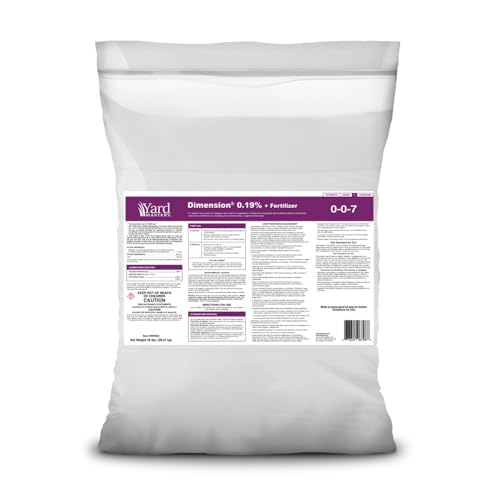
| Dithiopyr (e.g., Dimension) | Granular / Liquid | 4–5 months | Controls early crabgrass |
| Corn Gluten Meal | Granular (Organic) | 4–6 weeks | Organic/natural lawns |
* Duration varies based on application rate and weather conditions. Always follow label instructions.
For most homeowners, prodiamine offers the best balance of longevity and effectiveness. It's available in granular form from brands like Barricade and Quali-Pro. Pendimethalin is another excellent choice, especially if you're on a budget, and it's widely available at garden centers and big-box stores.
If you prefer a liquid application, Dithiopyr is a solid option that also provides some post-emergent control on very young crabgrass plants. This can be a lifesaver if you miss the ideal application window.
For those looking to combine weed prevention with lawn feeding, many products include fertilizer. Check out our recommendations for best fertilizer for St. Augustine grass in spring to find a product that does double duty.
How to Apply Pre-Emergent Herbicide Correctly
Proper application is critical to getting the best results from your pre-emergent herbicide. Follow these steps to ensure even coverage and maximum effectiveness:
- Measure your lawn: Calculate the square footage of your lawn to determine how much product you need. Most products list coverage rates on the label.
- Choose the right spreader: For granular products, use a broadcast or drop spreader. Calibrate it according to the product's instructions to avoid over- or under-application.
- Apply evenly: Walk at a steady pace and overlap slightly to avoid streaks. For liquid products, use a pump sprayer and apply in a sweeping motion.
- Water it in: Most granular pre-emergents need to be watered in within 24 hours to activate the barrier. Aim for about 0.5 inches of water (rain or irrigation).
- Don't disturb the soil: After application, avoid aerating, dethatching, or heavy raking, as this can break the chemical barrier.
If you're new to lawn care, it's worth reading our gardening for beginners guide for more foundational tips. And if you're also growing vegetables, you might want to explore organic pre-emergent weed control for vegetable gardens to keep your edible garden weed-free safely.
Common Mistakes to Avoid
Even experienced gardeners can make mistakes with pre-emergent herbicides. Here are the most common pitfalls and how to avoid them:
- Applying too early or too late: Timing is crucial. Use a soil thermometer to monitor temperatures and apply at the right moment.
- Skipping the second application: In high-pressure areas, a single application may not last the entire season. A split application ensures continuous protection.
- Applying to newly seeded lawns: Pre-emergents can also prevent grass seed from germinating. If you're seeding, wait until the new grass has been mowed at least 3 times before applying.
- Not watering in: Granular pre-emergents must be activated with water. Without it, they remain on the soil surface and are less effective.
- Using the wrong product: Some pre-emergents are designed for specific grass types. Always check the label to ensure it's safe for your lawn (e.g., St. Augustine, Bermuda, Fescue).
For more lawn care insights, see our guide on best liquid weed and feed concentrate for sprayers if you prefer a spray-on approach. And if you're dealing with stubborn weeds like clover, our article on natural ways to get rid of clover might be useful.
Frequently Asked Questions
Can I apply pre-emergent in the fall?
Yes, fall applications are often recommended for controlling winter annual weeds like poa annua. However, for crabgrass, spring applications are the primary focus. Some products also offer a fall application to help with cool-season weeds.
Is pre-emergent safe for pets and children?
Most synthetic pre-emergents are low in toxicity once they've been watered in and dried. However, it's always best to keep pets and children off the lawn until the product has been fully absorbed. Always follow the safety guidelines on the product label.
How much does pre-emergent herbicide cost?
Prices vary widely depending on the brand and coverage. A typical 10-pound bag of granular pre-emergent covers 5,000–10,000 sq. ft. and costs around $30–$60. Liquid concentrates are often cheaper per application but require a sprayer. For a full season, expect to spend between $50 and $120 depending on your lawn size and whether you do a split application.
If you're looking for the best value, consider buying a larger container or a combination product that includes fertilizer. You can often find great deals online, especially during early spring sales.
Final Thoughts
Using a pre-emergent herbicide is the most effective way to prevent crabgrass and keep your lawn looking its best. By understanding the right timing, choosing the right product, and applying it correctly, you can enjoy a weed-free lawn with minimal effort.
Remember, a healthy lawn is your best defense against weeds. Regular mowing, proper watering, and occasional fertilization all contribute to a thick turf that naturally crowds out unwanted invaders. For more lawn care advice, explore our other guides on lawn care and gardening tips.
Ready to stop crabgrass in its tracks? Browse the recommended products below to find the right pre-emergent herbicide for your lawn.