Best Fertilizer for St Augustine Grass in Spring
Get your lawn ready for peak growing season. Learn the best fertilizer formulations, application timing, and expert tips for a thick, green St. Augustine lawn this spring.
Shop Top FertilizersSpring is the most critical time of year for St. Augustine grass. As the soil warms and your lawn emerges from winter dormancy, it needs the right nutrients to build strong roots and achieve that vibrant, dense growth you're looking for. Choosing the best fertilizer for St Augustine grass in spring can be the difference between a lackluster lawn and a lush, green carpet that’s the envy of the neighborhood.
In this comprehensive guide, we’ll break down exactly what your St. Augustine lawn needs in spring, what to look for in a fertilizer, and our top product recommendations to make your lawn thrive. Whether you’re a seasoned lawn enthusiast or a first-time homeowner, this guide will give you the confidence to feed your lawn correctly.
Why Spring Fertilization Matters for St. Augustine Grass
St. Augustine grass is a warm-season grass that grows best when temperatures are consistently above 65°F. In spring, it breaks dormancy and begins its major growth phase. A spring application of the right fertilizer provides:
- Root development: A strong root system helps your lawn withstand summer heat and drought.
- Vibrant green color: Nitrogen is the key ingredient for that rich, dark green color.
- Disease resistance: A healthy, well-fed lawn is better able to fend off pests and diseases like large patch.
- Recovery from winter: Spring feeding helps repair any damage from winter stress or foot traffic.
Expert Tip: The best time to apply spring fertilizer is when the grass has greened up about 50–60% and you've mowed it at least once. This usually falls between mid-March and late April, depending on your climate zone. Applying too early can waste nutrients and potentially harm the grass if a late frost hits.
Understanding Fertilizer Numbers (NPK) for St. Augustine
Every fertilizer bag displays three numbers, known as the NPK ratio (Nitrogen-Phosphorus-Potassium). For spring application on St. Augustine grass, you need to know what these numbers mean and how they affect your lawn.
- Nitrogen (N): Promotes leaf and blade growth, giving your lawn its green color. Spring fertilizers should have a higher nitrogen content. Look for ratios like 15-5-10 or 16-4-8.
- Phosphorus (P): Supports root development and is less critical in spring unless a soil test shows a deficiency. Many spring fertilizers are low in phosphorus (the middle number).
- Potassium (K): Enhances overall plant health, stress tolerance, and disease resistance. A good spring fertilizer will have a moderate amount of potassium.
For most St. Augustine lawns, a fertilizer with a ratio of 15-5-10 or 16-4-8 is ideal for spring. These ratios provide ample nitrogen for green growth while supporting overall health without excessive phosphorus, which can be harmful to waterways and is often already present in sufficient levels in many soils.
If you haven't done a soil test in the last year, consider using a fertilizer that includes a small amount of phosphorus. Alternatively, choose a product with a 15-0-15 or 16-0-8 ratio if your soil is known to be high in phosphorus. For specific recommendations, check out our guide on pre-emergent herbicide for crabgrass to combine with your spring feeding.
Slow-Release vs. Quick-Release Fertilizers
Another crucial factor is the type of nitrogen. Fertilizers use either quick-release (water-soluble) or slow-release (water-insoluble) nitrogen sources.
- Quick-Release: Provides an immediate green-up but can cause excessive growth and leaching if overapplied. It’s best for a fast start but should be used carefully.
- Slow-Release: Releases nutrients gradually over several weeks or months, providing a steady feed and reducing the risk of burning the lawn. It’s the safer and more efficient choice for spring.
For the best results, choose a fertilizer that contains a significant amount of slow-release nitrogen. Look for products with "controlled-release," "slow-release," or "sulfur-coated" urea. This ensures your St. Augustine grass receives consistent nutrition over an extended period, promoting even growth and reducing the frequency of applications.
If you're also dealing with weeds, consider a product that combines fertilizer with weed control, often called "weed and feed." For St. Augustine, you can explore our detailed review of best fertilizer and weed killer for St Augustine grass to tackle both tasks in one application.
Top Spring Fertilizer Recommendations for St. Augustine Grass
Based on our research and lawn care experts' recommendations, here are some of the best fertilizers for St. Augustine grass in spring. These products have proven track records and are formulated to meet the specific needs of this grass type.
The Andersons 16-4-8 Professional Turf Fertilizer
This is a top-tier granular fertilizer with a balanced 16-4-8 NPK ratio, perfect for St. Augustine. It features a high percentage of slow-release nitrogen for uniform, sustained growth. It’s also formulated with added micronutrients for robust health.
Price: $38.99 per bag (covers 5,000 sq ft)
Check Price → (view products below)Scotts Turf Builder Southern Lawn Food
Specifically designed for Southern lawns including St. Augustine, this fertilizer has a 32-0-10 formula, which is very high in nitrogen for a deep green and contains potassium for heat and drought tolerance. It's an excellent choice for a mid-spring boost.
Price: $42.97 per bag (covers 5,000 sq ft)
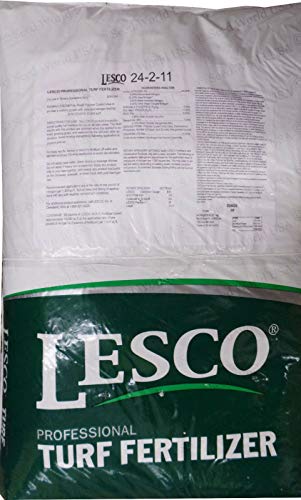
Check Price →LESCO 15-5-10 Fertilizer with 50% Slow-Release Nitrogen
A professional-grade fertilizer that offers a well-balanced 15-5-10 NPK ratio. The 50% slow-release nitrogen ensures your lawn is fed consistently for up to 12 weeks, making it one of the best choices for the critical spring period.
Price: $33.50 per bag (covers 5,000 sq ft)
Check Price →Pro Application Tip: Always follow the manufacturer’s instructions for application rates. Over-fertilizing can damage your lawn and pollute local waterways. Use a calibrated spreader for even coverage, and water the lawn lightly after application to help the granules reach the soil.
Quick Comparison: Best Fertilizers for St. Augustine in Spring
| Product | NPK Ratio | Release Type | Coverage | Price (approx) |
|---|---|---|---|---|
| The Andersons 16-4-8 | 16-4-8 | Slow-Release | 5,000 sq ft | $38.99 |
| Scotts Turf Builder Southern | 32-0-10 | Slow + Quick | 5,000 sq ft | $42.97 |
| LESCO 15-5-10 | 15-5-10 | 50% Slow-Release | 5,000 sq ft | $33.50 |
| Milorganite 6-4-0 | 6-4-0 | Slow-Release Organic | 2,500 sq ft | $18.00 |
Prices are approximate and may vary based on retailer and location. Check current prices using the product links in the section below.
Frequently Asked Questions About Fertilizing St. Augustine in Spring
When is the exact time to apply spring fertilizer?
The ideal time is after the last frost, when the grass is at least 50-60% green and you have mowed it once. Typically, this is mid-April in most areas, but adjust according to your local climate.
How often should I fertilize my St. Augustine lawn in spring?
A single application of a slow-release fertilizer in early-to-mid spring is usually sufficient. For a second application, wait until early summer (June). Over-fertilizing can lead to thatch buildup and disease.
Can I use a weed and feed product in spring?
Yes, but be cautious. Ensure it's specifically formulated for St. Augustine to avoid damage. For a comprehensive solution, see our guide on best fertilizer and weed killer for St Augustine grass.
What if I see weeds in my lawn before fertilizing?
If you have a significant weed problem, consider applying a pre-emergent herbicide in early spring before you fertilize, or use a combination product. You can read more about the pre-emergent herbicide for crabgrass to keep your lawn weed-free.
Conclusion
Spring is the time to set your St. Augustine lawn up for success. By choosing a fertilizer with the right NPK ratio and a healthy dose of slow-release nitrogen, you'll encourage deep root growth, a rich green color, and strong resistance to summer heat and diseases. Use the products recommended above and follow our application tips to achieve the lawn you've always dreamed of.
Ready to get started? Browse the top-rated fertilizers below, and give your lawn the best start to the growing season. For more lawn care advice, check out our other guides on weed control for lawns and lawn mowers near you.