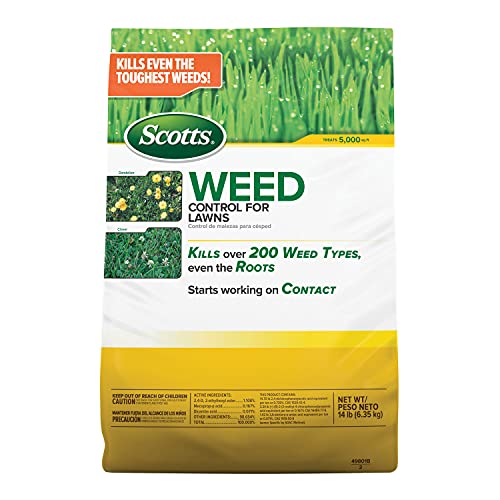
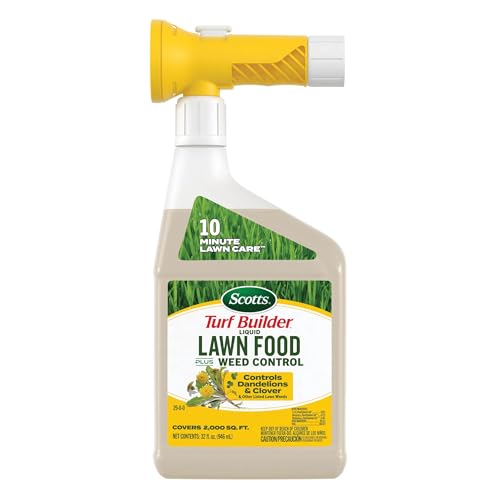
Best Weed Control for Lawns – Proven Solutions for a Pristine Yard
Stop battling weeds and start winning. Compare top-rated herbicides, pre-emergents, and organic options to keep your lawn thick, healthy, and weed-free all season long.
Let Gardening Philosophy: A beautiful lawn starts with smart weed control. Whether you're dealing with dandelions, crabgrass, clover, or stubborn broadleaf weeds, the right approach saves time, money, and frustration. We break down the best products and strategies—so you can choose with confidence and enjoy a lush, green yard.
Understanding Lawn Weed Control
Effective weed control isn't just about killing what you see—it's about preventing new weeds from taking over. The best strategy combines pre-emergent herbicides (to stop seeds from germinating) with post-emergent products (to eliminate existing weeds). For lawns, selective herbicides are key: they target weeds without harming your grass.
Timing is everything. Apply pre-emergent in early spring before soil temperatures reach 55°F, and use post-emergent treatments when weeds are actively growing. For persistent invaders like dandelions or clover, a weed and feed product can fertilize your lawn while controlling broadleaf weeds. Always read labels to match the product to your grass type—St. Augustine, Bermuda, or Fescue each have specific needs.
Top Weed Control Strategies & Products
Pre-Emergent Herbicides
Stop crabgrass and annual weeds before they start. Apply in early spring for season-long protection. Look for prodiamine or dithiopyr.
$30–$70Selective Post-Emergent
Kill broadleaf weeds like dandelions, clover, and chickweed without damaging your lawn. 2,4-D and dicamba are common active ingredients.
$20–$50Weed & Feed Fertilizers
Feed your lawn and control weeds in one step. Ideal for spring or fall applications. Choose formulas designed for your grass type.
$25–$60Natural / Organic Options
Corn gluten meal and iron-based herbicides offer eco-friendly control. Safe for pets and children, but require patience and proper timing.
$15–$45Detailed Product Comparison
Not all weed killers are created equal. Selective post-emergent products like 2,4-D are excellent for broadleaf weeds, while crabgrass preventers use prodiamine or pendimethalin for long-lasting control. For St. Augustine or Bermuda lawns, choose a product labeled safe for these warm-season grasses.
If you prefer a natural approach, corn gluten meal is a popular pre-emergent that also adds nitrogen to the soil. For spot treatments, ready-to-use sprays with glyphosate are effective, but remember they are non-selective—use carefully around desirable plants. Always consider pet safety: look for products labeled safe for animals once dry.
Application Tips for Best Results
- Read the label – Always follow the manufacturer's instructions for dosage and timing.
- Check the weather – Avoid applying before heavy rain, and don't mow 2–3 days before or after treatment.
- Spot-treat weeds rather than blanket-spraying the entire lawn to save product and protect beneficial plants.
- Rotate products – Using the same herbicide year after year can lead to weed resistance.
- Combine with cultural practices – Thick, healthy grass is the best weed suppressant. Aerate, overseed, and fertilize regularly.
Dealing with Common Lawn Weeds
Dandelions
Use a broadleaf herbicide with 2,4-D or dicamba. Spot-treat for best results.
Crabgrass
Apply pre-emergent in early spring. Post-emergent options include quinclorac.
Clover
Selective weed killers with dicamba or MCPP work well. Improve nitrogen levels to discourage clover.
Nutsedge
Use a nutsedge-specific herbicide like halosulfuron. Avoid overwatering to prevent regrowth.
Cost & Buying Guide
Prices for weed control products vary based on formulation and coverage. A pre-emergent granule for a 5,000 sq ft lawn typically costs $35–$70, while liquid concentrates can range from $20–$50 and cover larger areas. Weed and feed products are often $25–$60 per bag, depending on brand and nutrients.
For the best value, consider concentrated liquids that you mix with water—they often cost less per application than ready-to-use sprays. If you have a large lawn, buying in bulk (e.g., 2.5-gallon jugs) can save money. Always factor in the cost of a sprayer if you don't already own one (around $15–$40).
Safety & Environmental Considerations
Protecting your family, pets, and the environment is essential. Choose pet-safe weed killers that are labeled for use around animals. Many products are safe once dry, but always keep pets and children off the lawn until the product has fully dried or watered in. Organic options like corn gluten meal and vinegar-based sprays offer a lower environmental impact, though they may require more frequent application.
Avoid applying weed killers before rain to prevent runoff into storm drains. Use selective herbicides instead of non-selective to protect beneficial insects and plants. Always store chemicals in their original containers, out of reach of children, and dispose of empty containers properly.
Frequently Asked Questions
What is the best weed killer for St. Augustine grass?
Look for products containing atrazine or 2,4-D that are labeled safe for St. Augustine. Always follow instructions to avoid damaging your lawn.
When should I apply pre-emergent weed control?
Apply in early spring when soil temperatures reach 55°F for 2–3 consecutive days. This is typically before crabgrass and other annual weeds germinate.
Can I kill weeds without harming my grass?
Yes. Use selective herbicides designed for your grass type. Avoid non-selective products like glyphosate, which kill everything they touch.
How long does weed killer take to work?
Most selective herbicides show visible results within 7–14 days. Some fast-acting formulas may show wilting in 24–48 hours. Be patient and allow the product to fully translocate to the roots.
Ready to reclaim your lawn?
Choose the weed control solution that fits your lawn's needs. From pre-emergent preventers to organic spot treatments, the best product is waiting for you.
Shop Weed Control Products