Best Fertilizer and Weed Killer for St. Augustine Grass
Discover top-rated products and expert advice to nourish your St. Augustine lawn and eliminate weeds effectively.
View Top ProductsLet Gardening Guide: St. Augustine grass is a popular warm-season turfgrass known for its lush, carpet-like appearance. However, maintaining its health requires the right balance of fertilizer and effective weed control. This comprehensive guide reviews the best products to keep your St. Augustine lawn vibrant and weed-free.
Understanding St. Augustine Grass Needs
St. Augustine grass thrives in warm climates and has specific nutritional requirements. It needs a fertilizer with a higher nitrogen content for vigorous growth, especially during the active growing season. Additionally, it is susceptible to certain broadleaf weeds and grassy invaders that can mar its beauty. A targeted weed control strategy is essential.
When selecting a product, look for a weed and feed formulation that combines balanced nutrients with a pre-emergent or post-emergent herbicide safe for St. Augustine. The ideal NPK ratio often falls around 16-4-8 or similar, providing adequate nitrogen for greening, phosphorus for root development, and potassium for overall health.
🌱 Balanced Nutrition
NPK ratios that support lush growth and root strength.
🧪 Safe Weed Control
Herbicides that target weeds without harming your lawn.
💧 Seasonal Application
Timing is key for optimal absorption and effectiveness.
Top Fertilizer and Weed Killer Products for St. Augustine
Based on expert reviews, user feedback, and ingredient analysis, here are the top-performing products that combine high-quality fertilization with effective weed control.
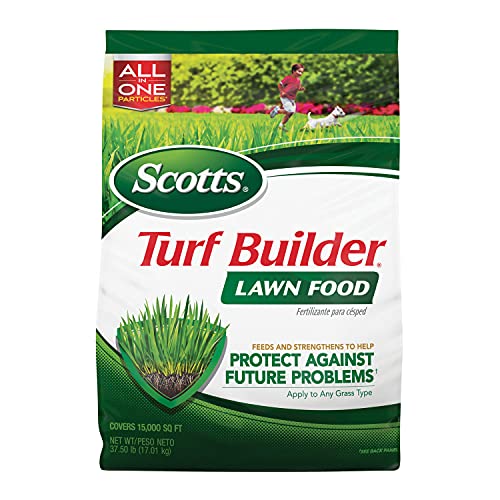
1. Scotts® Turf Builder® Southern Triple Action
Type: Weed & Feed + Insect Control
Key Features: This 3-in-1 product kills weeds, feeds your lawn, and prevents insect damage. It's specifically formulated for Southern lawns, including St. Augustine. The formula contains 28-0-3 for a quick green-up and broadleaf weed control.
Best For: Homeowners looking for an all-in-one solution. Price: ~$45–$65
2. The Andersons Professional PGF Balanced 16-4-8
Type: Professional-Grade Fertilizer
Key Features: A premium fertilizer with 16-4-8 ratio, containing 50% slow-release nitrogen for extended feeding. It does not contain herbicide, so you'll need a separate weed control product, but it's excellent for promoting thick, healthy growth that naturally resists weeds.
Best For: Users who prefer separate fertilization and weed control for more precise management. Price: ~$60–$80
3. BioAdvanced 3-in-1 Weed & Feed
Type: Granular Weed & Feed
Key Features: Effectively kills over 200 types of weeds including dandelion, clover, and dollar weed. It also contains a 24-0-4 fertilizer to promote root growth and greening. Safe for St. Augustine when applied correctly.
Best For: Targeting a wide range of weeds while feeding the lawn. Price: ~$35–$50
4. Simple Lawn Solutions Extreme Grass Growth Fertilizer
Type: Liquid Fertilizer
Key Features: This is a highly concentrated liquid feed with a 15-1-5 ratio, providing fast-acting nutrition directly to the roots. It's a pure fertilizer with no weed killer, ideal for boosting color and density before applying pre-emergent herbicides for weed prevention.
Best For: Quick greening and strengthening the lawn. Price: ~$40–$60
Product Comparison
| Product | NPK Ratio | Type | Weed Control | Price | Rating |
|---|---|---|---|---|---|
| Scotts Southern Triple Action | 28-0-3 | Granular | ✅ Broadleaf + Insects | $45–$65 | |
| Andersons PGF 16-4-8 | 16-4-8 | Granular | ❌ No | $60–$80 | |
| BioAdvanced 3-in-1 | 24-0-4 | Granular | ✅ Broadleaf | $35–$50 | |
| Simple Lawn Solutions Extreme | 15-1-5 | Liquid | ❌ No | $40–$60 |
How to Choose the Right Product
Selecting the best fertilizer and weed killer for your St. Augustine lawn involves understanding your lawn's specific needs. Here are key factors to consider:
- Weed Pressure: If your lawn is heavily infested, choose a product with a strong post-emergent herbicide like 2,4-D weed killer combined with your fertilizer.
- Seasonal Timing: Timing is crucial. Apply weed and feed in spring when weeds are actively growing, and use a separate fertilizer with higher potassium in fall for root strength.
- Application Method: Granular fertilizers are easy to apply with a spreader, while liquids are fast-acting and suitable for spot treatments.
- Safety: Always check if the product is safe for St. Augustine to avoid damaging your lawn.
Pro Tips for Best Results
- Water your lawn 1–2 days before applying granular products to ensure the soil is moist.
- Follow the manufacturer's instructions for application rates. Over-application can harm your lawn.
- For the best results, use a liquid weed and feed concentrate for targeted control.
- Always wear protective gear and keep children and pets away during application.
Preventive Measures and Lawn Health
While using the right fertilizer and weed killer is crucial, maintaining overall lawn health is the best defense against weeds. A dense, thick lawn naturally suppresses weed germination. Regular mowing at the correct height (3.5–4 inches for St. Augustine), proper irrigation, and occasional aeration can significantly reduce weed pressure. For severe weed infestations, consider using a pre-emergent herbicide for crabgrass in early spring.
Additionally, incorporating organic pre-emergent weed control methods can be a great way to manage weeds without relying solely on chemicals. Remember, a healthy lawn is a resilient lawn.
FAQs About St. Augustine Grass Care
Q: Can I use any weed and feed on St. Augustine?
A: No, not all weed and feeds are safe. Look for products specifically labeled for St. Augustine to avoid damage.
Q: When is the best time to apply weed and feed?
A: The best time is in spring when weeds are germinating and the lawn is actively growing. Follow the best time to put weed and feed on your lawn for optimal results.
Q: How often should I fertilize St. Augustine?
A: Typically, 3-4 times per year: spring, early summer, late summer, and fall. Always use a slow-release formula when possible.
Q: Is there a natural alternative to chemical weed killers?
A: Yes, maintaining a thick lawn through proper mowing, watering, and fertilization is the best natural defense. For spot treatments, consider corn gluten meal as a pre-emergent.