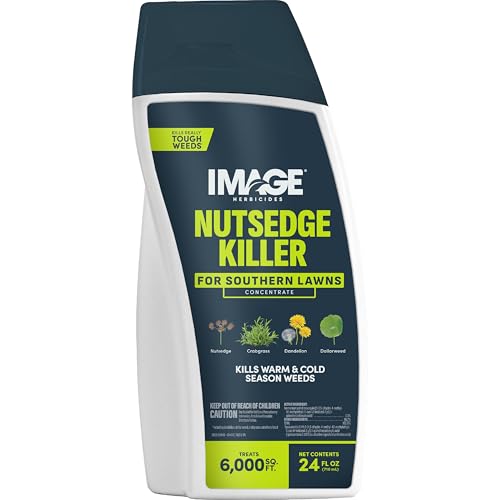
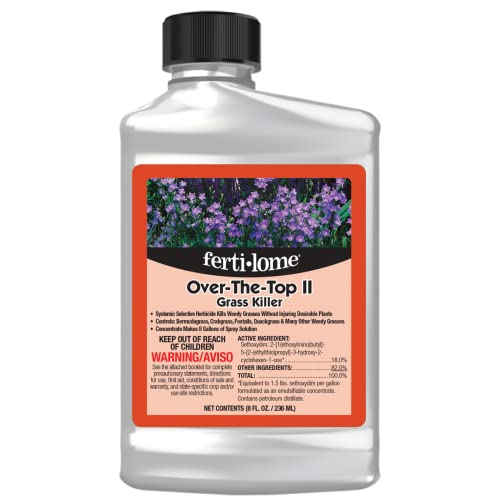
Weed Killer That Doesn't Kill St. Augustine Grass
Protect your beautiful St. Augustine lawn while eliminating weeds. Discover the best selective herbicides and expert tips for a lush, green yard.
St. Augustine Grass Care: St. Augustine is a popular warm-season grass known for its thick, carpet-like texture and shade tolerance. However, it's sensitive to many common herbicides. Using the wrong weed killer can damage or kill your lawn. Let this guide help you choose the right products and techniques for safe, effective weed control.
Why St. Augustine Grass is Sensitive to Weed Killers
St. Augustine grass (Stenotaphrum secundatum) is a warm-season grass that thrives in the southern United States. It is a popular choice for lawns due to its ability to tolerate heat and humidity. However, it has a relatively shallow root system and is susceptible to damage from certain herbicides.
Many broadleaf weed killers contain chemicals like 2,4-D, dicamba, and MCPP. While effective against weeds, these ingredients can cause stunting, yellowing, or even death to St. Augustine if not applied correctly, especially during active growth periods.
This sensitivity means you must choose products specifically labeled as safe for St. Augustine. Always read the label carefully and follow application instructions precisely. For more general lawn care advice, check out our guide on the best weed control for lawns.
Top Selective Herbicides Safe for St. Augustine
Selective herbicides target specific weeds while leaving desirable grass unharmed. Here are some of the most effective and safe options for St. Augustine lawns:
- Atrazine: A pre- and post-emergent herbicide effective against many broadleaf weeds and some grassy weeds. It's safe for St. Augustine when used at the recommended rates, but it's best applied during the dormant season or early spring.
- 2,4-D Amine: When formulated correctly and applied carefully, 2,4-D can be used on St. Augustine. However, it's crucial to avoid high temperatures and use the proper dilution to prevent damage. Many combination products with 2,4-D, dicamba, and MCPP are available.
- Herbicides with Sulfentrazone: This active ingredient is often found in lawn weed killers and is known for being safe for St. Augustine. It controls a wide range of broadleaf weeds and some sedges.
- Weed and Feed Products: Some granular products combine fertilizer with a selective herbicide. Look for formulations specifically designed for southern lawns and St. Augustine grass. For example, the best fertilizer and weed killer for St. Augustine grass can be a convenient option for spring applications.
Pro Tip: Always test a small, inconspicuous area of your lawn with any new herbicide before widespread application. Wait 5-7 days to observe any adverse effects. This simple step can save your entire lawn from potential damage.
How to Apply Weed Killer Safely
Applying weed killer correctly is just as important as choosing the right product. Here are some best practices to protect your St. Augustine lawn:
- Read the Label: This cannot be overstated. The label provides specific instructions for your lawn type, dosage, and timing. Never use more than the recommended amount.
- Apply at the Right Time: Early spring or fall, when temperatures are between 60°F and 80°F, is often the safest time. Avoid applying during extreme heat (above 85°F) as the grass is under stress and more vulnerable to damage.
- Use the Right Equipment: For liquid sprays, use a calibrated sprayer to ensure even coverage. For granular products, use a spreader with the correct setting. Uneven application can lead to hot spots of herbicide.
- Watering: Some herbicides require watering in, while others need to dry on the foliage. Check the product label for specific instructions. Generally, watering 1-2 days after application can help activate the product and reduce the risk of damage.
For lawns with persistent weed problems, consider a combination approach. A 3-in-1 weed and feed for southern lawns can simplify your spring lawn care routine.
Natural and Organic Weed Control Alternatives
If you prefer to avoid chemical herbicides, there are natural methods to control weeds in your St. Augustine lawn:
- Corn Gluten Meal: This is a natural pre-emergent herbicide that prevents weed seeds from germinating. It's safe for St. Augustine and adds nitrogen to the soil. Apply in early spring before weed seeds sprout.
- Vinegar and Salt Solutions: While effective, these can be non-selective and may harm your lawn. They are best used for spot treatments on individual weeds, such as dandelions. Be extremely careful to avoid contact with your grass.
- Manual Removal: The most environmentally friendly method! Hand-pulling or using a weeding tool is effective for small infestations and keeps your lawn chemical-free. For tips on tackling tough weeds like dandelions, see our guide on the best way to get rid of dandelions in yard.
Maintaining a healthy, thick lawn through proper mowing, watering, and fertilization is your best defense against weeds. A dense St. Augustine lawn naturally crowds out weeds, reducing the need for herbicides.
Common Questions About Weed Killers and St. Augustine
Can I use weed and feed on my St. Augustine lawn?
Yes, but you must choose a product labeled for St. Augustine. Many "weed and feed" products are designed for northern lawns and contain herbicides that can damage southern grasses. Look for products that specifically mention "safe for St. Augustine" or are formulated for Southern lawns.
When is the best time to apply weed killer to St. Augustine?
The ideal time is in the spring and fall when the grass is actively growing but temperatures are moderate (60-80°F). This allows the grass to recover quickly from any potential stress. For pre-emergent herbicides, apply in early spring before soil temperatures reach 55°F.
What if I accidentally damage my St. Augustine with weed killer?
If you notice stunting or yellowing, first stop using the product. Water the area deeply to help leach the herbicide from the soil. Avoid fertilizing for a few weeks, as this can stress the grass further. With time and proper care, the grass may recover. For severe damage, you may need to reseed or re-sod the affected areas.
Related Guides
Explore these related articles for more lawn and garden care tips: