Garden Sheds for Sale Near Me: Your Complete Buying Guide
Find the perfect storage solution for your backyard. Explore shed types, materials, sizes, and expert tips to help you choose and install a garden shed that fits your needs and property.
BROWSE GARDEN SHEDSWhy a Garden Shed Is a Smart Investment: A garden shed is more than just a storage box in your backyard — it is a long-term investment that protects your tools, equipment, and seasonal items from the elements. Whether you need a compact space for hand tools or a spacious workshop for serious projects, understanding the key differences between shed types, materials, and sizes is essential before you buy.
When searching for garden sheds for sale near you, you will encounter a wide range of options — from entry-level plastic models to premium wooden structures. This guide breaks down everything you need to know: shed materials, size considerations, foundation requirements, local permit rules, and installation options, so you can make a confident, informed purchase.
Types of Garden Sheds Available Near You
The first decision you will face is choosing the right type of shed for your property. Each material has distinct advantages in terms of durability, maintenance, appearance, and installation difficulty. Understanding these differences will help you narrow down your options quickly.
Wooden Sheds
Classic and versatile, wooden sheds offer a natural look that blends beautifully with any garden. Mid-range and premium wooden sheds typically feature tongue-and-groove construction for superior weather resistance. They can be painted or stained to match your home's exterior. Regular treatment is required to protect against rot and insects.
Metal Sheds
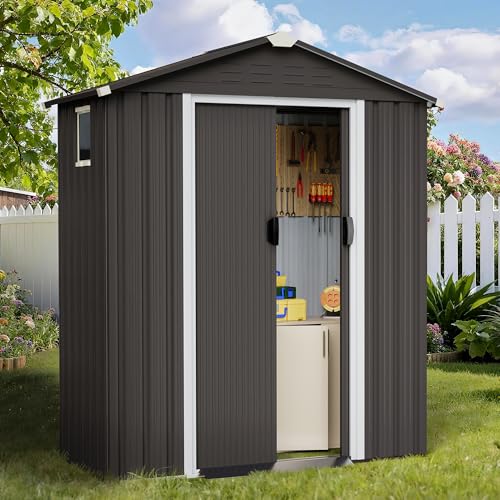
Entry-level to mid-range metal sheds are valued for their low maintenance and pest resistance. Galvanized steel models resist rust and require no painting. They are lightweight, easy to assemble, and ideal for storing tools and equipment. However, they can be noisy in rain and may dent under heavy impact.
Plastic & Resin Sheds
Budget-friendly plastic sheds are virtually maintenance-free — they will not rot, rust, or require painting. Modern resin sheds are UV-resistant and available in attractive designs that mimic wood. They are lightweight and easy to install, making them a popular choice for first-time shed buyers.
Custom & Modular Sheds
Top-tier custom sheds are built to your exact specifications, allowing you to choose dimensions, window placement, door style, and interior layout. Modular designs can be expanded over time. These are ideal for homeowners who need a workshop, studio, or long-term storage solution.
Pro Tip: Before choosing a material, check your local climate. In areas with heavy snowfall, a metal shed with a reinforced roof may be preferable. In humid regions, plastic or treated wood sheds resist moisture damage better than untreated metal.
How to Choose the Right Shed Size
Size is one of the most important factors in your purchase decision. A shed that is too small will quickly become cluttered, while an oversized shed may require permits or dominate your yard. Consider both your current storage needs and future plans.
- Small (up to 6x4 ft): Ideal for storing hand tools, a lawnmower, and a few bags of soil or compost. Best for compact gardens or patios.
- Medium (6x6 to 8x6 ft): The most popular size for typical suburban backyards. Fits bicycles, garden furniture, and a full set of tools with room to move.
- Large (8x8 to 10x8 ft): Suitable for storing larger equipment, a ride-on mower, or creating a small workshop area. Requires a flat, prepared foundation.
- Extra-Large (10x10 ft and above): Best for serious gardeners, hobbyists, or homeowners who need a dedicated workspace. May require planning permission depending on your location.
If you are planning to use your shed for gardening activities, consider how it will integrate with your broader garden layout. A well-placed shed can complement DIY garden beds, serve as a hub for your gardening tools, and even house a compost bin or compost tumbler nearby for easy access.
Material Comparison at a Glance
Use this comparison table to quickly evaluate the key trade-offs between shed materials. Remember that quality varies within each category — entry-level models in any material will have different durability than premium versions.
| Feature | Wooden Sheds | Metal Sheds | Plastic / Resin Sheds |
|---|---|---|---|
| Maintenance Level | Moderate to high — requires annual treatment or painting | Low — occasional cleaning, rust check | Very low — rinse with water as needed |
| Durability | High when treated; susceptible to rot if neglected | High resistance to pests and rot; can dent | Good for general storage; may become brittle over time |
| Aesthetic Appeal | Excellent — natural look, customizable finishes | Moderate — utilitarian appearance | Good — modern designs mimic wood or stone |
| Assembly Difficulty | Moderate to high — may require professional installation | Moderate — typically DIY-friendly | Low — snap-together panels, minimal tools needed |
| Best For | Homeowners who want a traditional look and are willing to maintain | Budget-conscious buyers who want a durable, low-maintenance option | First-time buyers or renters who need a quick, easy storage solution |
Foundation and Installation: What to Prepare
A proper foundation is critical for the longevity and stability of your garden shed. Even the most durable shed can shift or warp if placed on uneven ground. Before your shed arrives, prepare a flat, level base using one of these common methods:
Concrete Slab
The most durable and permanent foundation. Ideal for large sheds and heavy equipment. Requires professional pouring and curing time. Best for long-term installations.
Timber Base Frame
A wooden frame filled with gravel or paving stones. A mid-range option that provides good drainage and is easier to install than concrete. Suitable for most wooden and plastic sheds.
Paving Stones or Gravel Pad
An affordable, DIY-friendly option for small to medium sheds. Ensures drainage and prevents ground contact. Best for lightweight plastic or metal sheds.
Ground Screw Anchors
A modern, quick-install solution that anchors the shed directly into the soil. Ideal for temporary or modular sheds. Provides excellent stability without excavation.
Important: Always check whether your chosen foundation method affects your shed's warranty. Some manufacturers require a specific base type to validate warranty coverage.
Permits, Regulations, and Neighborhood Rules
Before purchasing a shed, verify local regulations. Many municipalities have rules about shed size, height, placement, and distance from property lines. In some areas, sheds below a certain square footage do not require a permit, while larger structures do.
- Check with your local planning department: Ask about maximum allowable shed size without a permit.
- Review your homeowner association (HOA) rules: Some HOAs restrict shed materials, colors, or visibility from the street.
- Confirm setback requirements: Sheds typically must be a minimum distance from property boundaries.
- Consider utility lines: Before digging for a foundation, check for underground utilities.
If you are also planning broader backyard improvements, such as adding a gazebo or pergola, coordinate your shed placement to create a cohesive outdoor living space. A well-planned layout can make your garden more functional and visually appealing.
Key Features to Look for in a Garden Shed
Not all sheds are created equal. When comparing models, pay attention to these specific features that significantly impact long-term satisfaction:
Door Style & Width
Double doors provide easier access for large equipment like wheelbarrows and mowers. Consider a ramp for rolling items in and out.
Ventilation
Proper airflow prevents condensation, mold, and musty odors. Look for built-in vents or add aftermarket vent kits.
Windows
Natural light is valuable if you plan to use the shed as a workspace. Acrylic or polycarbonate windows are safer than glass.
Floor Included?
Many sheds are sold without a floor. Confirm whether a floor kit is included or must be purchased separately.
Locking Mechanism
A sturdy lock or hasp is essential for security. Some premium sheds include reinforced locking points.
Roof Design
Apex (peaked) roofs shed water and snow more effectively than flat or pent roofs. Consider roof overhang for extra weather protection.
Where to Find Garden Sheds for Sale Near You
You have several options when shopping for a garden shed locally. Each has its own advantages in terms of selection, delivery, and customer support:
- Local garden centers and hardware stores: Allows you to see display models in person and speak with staff about installation requirements.
- Specialty shed retailers: Offer the widest selection of materials, sizes, and custom options. Often provide professional installation services.
- Online retailers with local delivery: Provide competitive selection and often include free or low-cost delivery to your area. Check customer reviews and return policies.
- Second-hand marketplaces: A budget-friendly option if you are willing to transport and potentially repair a used shed. Inspect thoroughly before purchasing.
If you also need to equip your shed or surrounding garden area, explore our guides on garden tools, hose reels, and garden kneelers to make your space fully functional.
Frequently Asked Questions About Garden Sheds
Do I need a permit to install a garden shed?
Permit requirements vary by location. In many areas, sheds below a certain size (often 100–120 square feet) do not require a building permit, but you should always verify with your local planning authority. HOA rules may also apply.
What is the best material for a garden shed?
There is no single best material — it depends on your priorities. Wooden sheds offer the best aesthetics but require maintenance. Metal sheds are durable and low-maintenance. Plastic/resin sheds are affordable and virtually maintenance-free. Consider your climate, budget tier, and willingness to perform upkeep.
Can I install a garden shed myself?
Many entry-level plastic and metal sheds are designed for DIY assembly and can be completed in a day with basic tools. Larger wooden sheds or those requiring a concrete foundation may benefit from professional installation. Always follow the manufacturer's instructions and safety guidelines.
How do I prepare the ground for a shed?
Clear the area of vegetation, level the ground, and install a foundation appropriate for your shed type — concrete slab, timber frame, or gravel pad. Proper drainage is essential to prevent water damage and extend the shed's lifespan.
What size shed do I need?
Measure the items you plan to store and add extra space for movement. A small 6x4 ft shed suits basic tool storage, while an 8x6 ft or larger shed accommodates bicycles, furniture, and workshop space. When in doubt, size up — overcrowding accelerates wear and reduces usability.
How long does a garden shed last?
Lifespan depends on material, quality, and maintenance. Entry-level plastic sheds may last 10–15 years, mid-range metal sheds 15–20 years, and well-maintained premium wooden sheds can last 25 years or more. Proper foundation and regular upkeep significantly extend any shed's life.
Explore More Gardening Resources: Planning a complete garden makeover? Check out our guides on landscaping, outdoor living, drainage solutions, and gravel landscaping to create a cohesive, functional outdoor space that complements your new garden shed.