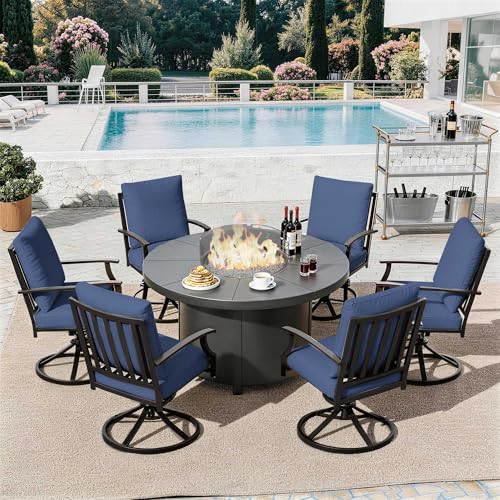
Patio Dining Table with Fire Pit in the Middle: The Complete Buyer's Guide
Turn your outdoor dining area into a year-round gathering place. Learn how to choose a fire pit dining table that combines generous table space, durable materials, and a safe, inviting flame at its center.
Why a fire pit dining table changes everything: A patio dining table with a fire pit in the middle merges two outdoor essentials into one footprint. Instead of choosing between a dining set and a separate fire feature, you get a single centerpiece that supports meals, conversation, and warmth after sunset. This guide explains the design, safety, and material decisions that separate a table you tolerate from one you use every season.
What Exactly Is a Patio Dining Table with a Fire Pit in the Middle?
These tables look like conventional outdoor dining furniture, but the center section is removed or recessed to house a fire burner. The flat perimeter remains a full dining surface for plates, glassware, and serving dishes, while the fire pit acts as a decorative and functional hub. Most models accommodate four to eight diners and are designed for patios, decks, and covered porches.
You will see this category described in a few ways: an outdoor dining table with fire pit, a patio dining set with a fire pit, or simply a fire pit dining table. They all refer to the same concept, though sets usually include matching chairs. If you prefer a coordinated look from day one, a complete outdoor furniture set with fire pit removes the guesswork of pairing seating.
Key Benefits That Justify the Investment
Extends Your Outdoor Season
Radiant heat from the center keeps hands and faces warm on cool evenings, letting you dine outside well into spring and autumn.
One Footprint, Two Functions
You avoid crowding the patio with a separate dining table and fire bowl. The combined unit saves space, especially on smaller decks.
Natural Social Focal Point
A central flame draws guests together and encourages lingering conversation long after the meal is finished.
Ambiance Without Extra Lighting
Firelight provides soft, warm illumination for evening gatherings, reducing reliance on harsh overhead lights.
Gas vs. Wood-Burning: Which Flame Belongs at Your Table?
The burner type is the single most important decision because it affects convenience, maintenance, and where you can safely place the table.
| Feature | Gas (Propane or Natural) | Wood-Burning |
|---|---|---|
| Ignition & Control | Instant start, adjustable flame height | Requires kindling, manual flame management |
| Smoke & Ash | None; clean-burning | Produces smoke and ash; needs cleanup |
| Heat Output | Moderate, consistent | Higher, variable with fuel |
| Maintenance | Minimal; check connections and vents | Frequent; remove ash, store dry wood |
| Best For | Frequent entertaining, covered patios, low-effort ownership | Rustic settings, open-air patios, traditional ambiance |
For most households, gas is the practical winner. A propane model needs only a tank refill, while natural gas requires a permanent line but eliminates refills entirely. Wood-burning tables suit homeowners who value the crackle and aroma and have an open, well-ventilated patio. If you are building an entire outdoor room around the table, the outdoor fireplace category is worth reviewing for complementary heat sources.
Materials and Construction: What Lasts Outdoors
Fire, food, and weather are a demanding combination. The tabletop and frame must tolerate heat near the center, spills around the perimeter, and rain or sun when not in use. Here is how the common materials compare in tier terms:
- Powder-Coated Aluminum (mid-range to premium) — Lightweight, rust-resistant, and easy to move. High-end finishes resist chipping and fading better than entry-level coatings.
- Stainless Steel (premium to luxury) — Excellent heat tolerance and longevity, especially near the burner. Heavier and best suited to permanent placements.
- Stone, Concrete, or Cast Resin Tops (mid-tier to high-end) — Provide a solid, premium feel and excellent heat resistance. Stone requires periodic sealing to resist staining.
- All-Weather Wicker over Metal Frames (budget-friendly to mid-priced) — Offers a softer, traditional look. Quality varies widely; tighter weaves and aluminum frames last longer than entry-level resin over steel.
- Teak and Hardwood (premium) — Beautiful and durable with proper oiling, but wood near a fire source demands careful clearance and a heat shield.
Whichever material you choose, confirm that the fire insert is rated for the table and includes a heat-resistant ring or barrier. The hardware underneath matters too—a sturdy patio furniture frame will outlast decorative details.
Sizing and Placement: Getting the Footprint Right
Measure your space before falling in love with a design. Use these rules of thumb:
- Seating width: Allow about 24 inches of table edge per person. A four-person table is usually 48 to 60 inches across; six to eight people need 72 to 96 inches.
- Clearance: Leave at least 36 inches around the table for chairs to pull out and guests to walk behind seated diners.
- Fire insert size: The burner should leave a comfortable flat margin—roughly 10 to 14 inches—for place settings.
- Shape: Round tables encourage conversation and suit square patios; rectangular tables fit long, narrow decks and accommodate more diners.
For ideas on laying out the surrounding hardscape, review our patio design guide. If the table will sit on pavers, the paver installation overview helps ensure a level, stable base.
Safety Considerations Before You Buy
- Clearance from structures: Keep the table away from low pergola beams, umbrellas, and combustible decor. Never place a fire pit table beneath a fabric canopy unless the manufacturer approves it.
- Ventilation: Gas models must be used in well-ventilated areas; never in enclosed spaces. Wood-burning tables require open-air placement.
- Stability: Confirm the table has a wide base or leveling feet, especially on sloped decks.
- Child and pet safety: Choose models with glass wind guards or raised burner rims, and keep chairs a safe distance from the flame zone.
- Cover and storage: Use a fitted cover when the table is not in use, and disconnect propane between gatherings.
If shade is part of your plan, review patio umbrellas carefully—most cannot be used directly over an active fire. For warmth without open flame concerns, patio heaters are a complementary option.
Heating Output and Comfort Expectations
Fire pit dining tables are designed for ambiance and localized warmth, not whole-patio heating. A mid-range gas burner typically provides comfortable warmth for people seated within a few feet of the center. Premium burners with higher output and reflective lava rock or glass media spread heat more evenly. If your evenings are consistently cold, pair the table with overhead or radiant heat rather than expecting the table alone to carry the load.
Matching Chairs and Surrounding Furniture
Most fire pit dining tables are sold with coordinating chairs, but you can also build the look gradually. Consider these pairings:
- Swivel or rocking chairs — Great for conversation flow. Browse our outdoor furniture rocking chair selection for inspiration.
- Conversation seating nearby — A small patio conversation set creates a secondary lounge zone.
- High-top alternatives — If you prefer standing-height entertaining, compare the outdoor high-top table and chairs with fire pit format.
- Bar-height options — The outdoor bar-height table and chairs with fire pit style suits casual cocktail gatherings.
Finish the space with a durable outdoor rug and layered outdoor lighting to extend usable hours even when the fire is off.
Common Buying Mistakes to Avoid
- Underestimating clearance: A table that fits the patio on paper may leave no room to walk behind chairs.
- Ignoring the fuel source: Confirm where the propane tank hides and whether you can route a natural gas line before ordering.
- Choosing style over heat rating: A decorative table with a weak burner will disappoint on cool nights.
- Skipping the cover: Rain and pollen degrade burners and finishes faster than most warranties anticipate.
- Forgetting the tabletop margin: An oversized fire insert leaves too little room for plates and glassware.
Our Verdict: Who Should Buy One?
A patio dining table with a fire pit in the middle is an excellent fit for homeowners who entertain outdoors regularly, want to extend their season without adding separate heating furniture, and value a single, cohesive centerpiece. Choose gas for convenience, wood for tradition, and prioritize a mid-range or premium frame material if the table will live outside year-round. Measure your clearance, confirm the burner output, and invest in a fitted cover—then let the table do the rest.
Frequently Asked Questions
What is a patio dining table with a fire pit in the middle?
It is an outdoor furniture piece that combines a full-size dining surface with a built-in fire feature at its center. The fire pit serves as both a visual focal point and a heat source, allowing you to dine, entertain, and stay warm around the same table throughout the evening.
Is a gas or wood-burning fire pit dining table better?
Gas fire pit dining tables offer instant, controllable flames, produce no smoke or ash, and require minimal cleanup, making them ideal for frequent entertaining. Wood-burning models provide a traditional crackling ambiance and higher heat output, but they require fuel storage, produce smoke, and need more maintenance. For most patios, gas models are the more practical choice.
What size patio dining table with a fire pit do I need?
Allow roughly 24 inches of table width per seated guest. A four-person table typically measures around 48 to 60 inches across, while six- to eight-person tables range from 72 to 96 inches. Add at least 36 inches of clearance on all sides for chair movement and walkways. The fire pit insert should leave enough flat tabletop for plates and glassware.
Can a fire pit dining table be left outside in winter?
It depends on the material and burner type. Powder-coated aluminum and high-quality wicker frames handle weather well, while stone and concrete tops may need sealing. Always disconnect and store propane tanks, cover the table with a fitted waterproof cover, and follow the manufacturer's winterization instructions to protect the finish and burner components.