
7 ft x 100 ft Black Polypropylene Deer Fence: The Complete Buyer's Guide
Deer can wipe out months of gardening work in a single night. A 7 ft x 100 ft black polypropylene deer fence is one of the most practical, durable, and low-visibility solutions for protecting vegetables, flowers, and young trees. This guide explains everything you need to know before you buy.
View Recommended Deer FencingWhat Is a 7 ft x 100 ft Black Polypropylene Deer Fence?
A 7 ft x 100 ft black polypropylene deer fence is a roll of heavy-duty woven or extruded plastic mesh designed specifically to keep deer out of gardens and landscaped areas. The "7 ft" refers to the height of the roll, while "100 ft" is the total length of the roll. Polypropylene is chosen because it resists moisture, UV degradation, and the repeated pushing and rubbing that deer inflict on barriers.
The black color is not just aesthetic. Black mesh absorbs light and visually recedes into the background, making the fence far less noticeable than white or metallic netting. This matters for homeowners who want protection without turning a backyard into a visible cage. If you are also improving the overall structure of your garden, you may want to pair fencing with modular raised garden bed kits so that the protected area is also organized and productive.
Key takeaway: The combination of 7-foot height, 100-foot length, and black polypropylene construction makes this fence a versatile solution for everything from a large vegetable plot to a perimeter around fruit trees and ornamental shrubs.
Why 7 Feet Is the Critical Height for Deer Control
Deer are excellent jumpers, and many gardeners underestimate how high they can clear. A whitetail deer at full speed can vault a fence that is 6 feet tall with relative ease. The general consensus among wildlife and horticultural experts is that a fence must be at least 7 feet tall to be reliably effective, and 8 feet or more for areas with heavy deer pressure.
However, height alone is not the whole story. Deer are cautious animals. They need to see a clear landing zone on the other side. A 7-foot fence creates a visual barrier that deer perceive as risky, especially when the mesh is tight and the top edge is well-supported. This is why a 7 ft x 100 ft black polypropylene deer fence is often considered the sweet spot: tall enough to deter, long enough to enclose a meaningful area, and affordable enough to be practical.
If your property also includes ornamentals that deer tend to avoid, you can combine fencing with deer-resistant plantings such as annual flowers that are deer and rabbit resistant to create layers of protection.
Polypropylene Material and Long-Term Durability
Polypropylene is a thermoplastic polymer known for its toughness and resistance to moisture. In deer fencing, it is typically UV-stabilized to prevent sun damage, which is the leading cause of failure in plastic netting. A well-made polypropylene deer fence can last 10 to 15 years when installed correctly and tensioned properly.
Unlike metal fencing, polypropylene mesh will not rust, and it will not develop sharp edges that could injure wildlife or pets. It is also lightweight, which makes installation far easier than wrestling with welded wire panels. That said, not all polypropylene fences are equal. Thickness, strand count, mesh size, and UV treatment all vary between entry-level and premium products.
| Specification | Typical Detail |
|---|---|
| Height | 7 ft (approximately 84 inches) |
| Length | 100 ft per roll |
| Material | UV-stabilized polypropylene |
| Color | Black (low-visibility) |
| Mesh Style | Woven or extruded square mesh |
| Typical Lifespan | 10 to 15 years with proper installation |
| Best Use | Garden perimeter, orchard protection, food plots |
How Much Area Does a 100-Foot Roll Cover?
A single 100-foot roll covers 100 linear feet of fence line. That is enough to enclose a square garden plot of roughly 25 ft x 25 ft, or to run a protective barrier along one side of a larger property. Many gardeners buy two or more rolls to create a full perimeter, especially when protecting a main vegetable garden.
Before ordering, sketch your garden layout and measure the total perimeter. Remember to include gates and any corners, as these affect the total linear footage. If you are protecting a smaller, concentrated growing area, a raised garden bed setup can be a smart companion to the fence, because raised beds concentrate your plants and make the protected zone more efficient.
Quality Tiers: Entry-Level, Mid-Range, and Premium
Deer fencing is not a one-size-fits-all product. The right tier depends on deer pressure, sun exposure, and how long you expect the fence to remain in place. Below is a general framework for comparing products on the market. These tiers describe relative market position, not specific pricing.
Entry-Level
Budget-friendly mesh with basic UV treatment. Suitable for short-term protection or low deer pressure. Lighter strands and simpler weaving. A reasonable starting point for a first garden fence.
Mid-Range
The most common choice. Stronger UV stabilization, tighter mesh, and better tension retention. Handles moderate deer pressure and lasts significantly longer than entry-level products.
Premium
Top-tier polypropylene with heavy strands and maximum UV resistance. Designed for high deer pressure, full sun, and long-term installations. Often the best value over the fence's lifespan.
If your garden includes valuable ornamentals or a serious vegetable operation, the mid-range or premium tier usually justifies the difference. For a seasonal plot or a low-pressure area, entry-level can work well.
Step-by-Step Installation Guide
Installing a 7 ft x 100 ft black polypropylene deer fence is a manageable weekend project for most homeowners. The key is to build a solid frame first, then stretch the mesh tightly so deer cannot push through or slip underneath. Here is the process in practical steps:
- Plan the layout: Mark the fence line with stakes and string. Leave room for gates and access paths. Measure twice before digging.
- Set the posts: Use sturdy posts (wood or metal) spaced roughly 8 to 10 feet apart. Drive them at least 2 feet into the ground for stability.
- Run tension wire: String a heavy tension wire along the top and bottom of the posts. This is what keeps the mesh from sagging and prevents deer from pushing it down.
- Attach the mesh: Unroll the polypropylene fence and secure it to the top tension wire using zip ties or fence staples. Work from one end to the other, keeping the mesh taut.
- Secure the bottom: Bury the bottom edge 6 to 12 inches into the ground or pin it with landscape staples. This prevents deer from pushing under the fence.
- Add gates: Install a gate at each access point. Make sure the gate is the same height as the fence and closes securely.
- Check tension and trim: Walk the entire fence line and tighten any loose sections. Trim excess mesh at the ends for a clean finish.
For gardeners who are also managing larger properties, pairing the fence with a reliable self-propelled cordless lawn mower makes maintaining the area around the fence much easier.
Pros and Cons of Black Polypropylene Deer Fencing
No fencing solution is perfect. Understanding the trade-offs helps you decide whether this product fits your situation.
Advantages
- Visually unobtrusive black mesh blends into foliage
- Lightweight and easier to install than metal fencing
- Rust-proof and resistant to moisture damage
- 7-foot height effectively deters most deer
- 100-foot roll covers a practical garden perimeter
- UV-stabilized versions last over a decade
Limitations
- Can sag if not properly tensioned
- Lower-tier products may degrade faster in intense sun
- Not a physical barrier against large animals like bears
- Requires regular inspection for wear and loose sections
- Deer may test the fence if food is scarce
Practical tip: The most common installation mistake is leaving slack in the mesh. A tightly tensioned fence is dramatically more effective than a loose one, regardless of the product tier.
Recommended Deer Fencing and Garden Protection Supplies
⚠️ AFFILIATE DISCLOSURE: This website contains affiliate links. As an Amazon Associate, we earn from qualifying purchases. If you make a purchase through these links, we may receive a small commission at no additional cost to you. Read our full affiliate policy.

Tenax Deer Netting - Heavy Duty, 7ft Netting for Gardens - 7 Ft x 100 Ft - Black Polypropylene
Check price on Amazon
Feitore Deer Fence Netting, 7x100ft Garden Net Bird Netting,Reinforced Edge | Anti-UV Garden Fencing Kit for Plants Fruit Tree Vegetable Protection from Animals, 3/4" Fine Mesh, 10 Stakes & 50 Zip Ties
Check price on Amazon
Deer Fence Netting, 7x100 Ft Plastic Mesh Fence Roll, Temporary Fence Black | Heavy Duty Garden Fence Animal Barrier Against Deer, Rabbits, Birds, Temporary Fencing Garden Netting for Plants, Fruit Trees
Check price on Amazon
Dalen Deer-X Protective Netting for Gardens & Landscapes - 7 ft x 100 ft | Black Garden Netting, 3/4-inch Mesh - Helps Deter Deer from Vegetables, Fruits & Flowers - Made of Weather-Resistant Plastic
Check price on Amazon
TENAX 1A180357 Deer Fence Pro, 7.5-Ft x 100-Ft, Black
Check price on Amazon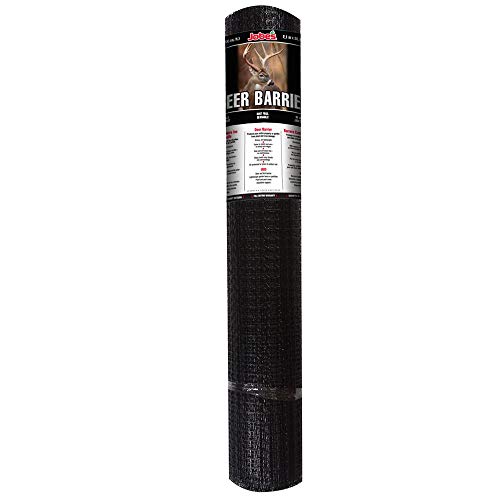
Jobes Jobe’s LG400171 Deer Barrier Fencing, 7 ft x 100 ft, Black
Check price on Amazon
Tenax 60100109 Select Deer Fence, Black, 7.5-Feet by 100-Feet, Black
Check price on Amazon
FRUITEAM Deer Fence Netting, 8FT x 100FT Heavy Duty Black PP Coated, Garden Protection Barrier, 0.7"x0.7" 70gr/sqm Mesh, Long-Lasting Yard Garden Fencing Roll
Check price on AmazonFrequently Asked Questions
How tall should a deer fence be to actually keep deer out?
A height of 7 feet is generally considered the minimum effective height for a deer fence. Deer can jump surprisingly high, and a 7-foot barrier works because deer do not see it as a safe landing zone. For areas with heavy deer pressure, 8 feet or taller is even more reliable.
Is black polypropylene mesh strong enough to withstand deer pressure?
Yes. Black polypropylene deer fence is manufactured with UV-stabilized, heavy-duty strands that resist stretching and tearing. While deer may push against it, the mesh distributes force across the entire panel, making it far more durable than lightweight plastic netting.
How long does a polypropylene deer fence last?
With proper installation and UV-stabilized material, a black polypropylene deer fence typically lasts 10 to 15 years. Longevity depends on sun exposure, tensioning, and how well the bottom edge is secured to the ground.
Can I install a 7 ft x 100 ft deer fence by myself?
Yes. A 100-foot roll is manageable for a single person with basic tools. You will need posts, tension wire, and a staple gun or zip ties. Two people make the job faster, especially when stretching the mesh along the top wire.
Does black deer fence blend into the landscape better than other colors?
Black is the most popular color for deer fencing because it visually recedes into shadows and foliage. It looks less obtrusive from a distance than white or silver mesh, which can stand out against trees and shrubs.
What is the best way to secure the bottom of a deer fence?
Bury the bottom edge 6 to 12 inches into the ground or pin it tightly with landscape staples. Deer sometimes try to push under a fence, so a tight bottom seal is just as important as the height. Adding a tension wire along the bottom edge helps prevent lifting.
Ready to Protect Your Garden?
A 7 ft x 100 ft black polypropylene deer fence is one of the most cost-effective ways to safeguard your vegetables, flowers, and young trees from deer damage. Choose the right tier for your deer pressure and install it with proper tension for years of reliable protection.
Browse Recommended Deer Fencing