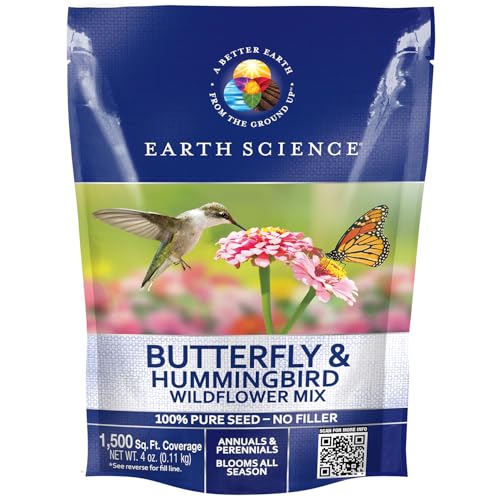
Best Flowers to Attract Hummingbirds and Butterflies
Turn your garden into a living, fluttering sanctuary. These nectar-rich, brightly colored flowers draw hummingbirds and butterflies all season long — and they are easy to plant, even for first-time gardeners.
Explore the Flower ListWhy pollinator-friendly flowers matter: Hummingbirds and butterflies are more than beautiful visitors — they are essential pollinators that help your flowers and vegetables thrive. Choosing the right blooms creates a reliable food source from early spring through late fall, supports local ecosystems, and transforms an ordinary yard into a vibrant wildlife habitat.
Top Flowers That Attract Both Hummingbirds and Butterflies
These varieties are proven favorites because they produce abundant nectar, bloom over long seasons, and are easy to grow in most climates. They work beautifully together in a mixed pollinator garden design.
Bee Balm (Monarda)
Tubular scarlet blooms that hummingbirds adore, while butterflies flock to the wide flower heads. Prefers full sun and moist, well-drained soil.
Salvia
Deep red and violet spikes offer continuous nectar. Drought-tolerant and deer-resistant — a reliable backbone for any pollinator border.
Lantana
Clustered flowers in sunset colors that butterflies land on easily. Thrives in heat and blooms until frost in warm regions.
Coneflower (Echinacea)
Flat-topped purple blooms give butterflies a perfect landing pad. Seed heads feed birds in winter, extending the garden's value.
Butterfly Bush
Long fragrant panicles packed with nectar. A mid-range to premium landscape shrub that can become a focal point in a sunny bed.
Trumpet Vine
Deep tubular flowers tailor-made for hummingbirds. Vigorous climber — give it a sturdy trellis or arbor and room to roam.
Zinnia
Bright, flat blooms that butterflies love. Affordable, easy from seed, and blooms fast — perfect for budget-friendly pollinator patches.
Phlox
Fragrant pink and purple clusters that attract both pollinators. A classic cottage-garden choice for mid-season color.
Columbine
Delicate nodding blooms in red, yellow, and blue. Early-season nectar source that bridges the gap before summer flowers open.
Milkweed
The essential host plant for monarch butterflies. Fragrant pink clusters also feed adult butterflies and bees.
Cosmos
Airy, daisy-like flowers that sway in the breeze. Butterflies land frequently, and the plants self-seed for next season.
Penstemon
Spiky tubular blooms in red and purple. A top-tier hummingbird magnet that tolerates dry soil once established.
Hummingbird vs. Butterfly Flower Preferences
While many flowers serve both visitors, understanding the differences helps you plant a garden that truly performs. Hummingbirds favor deep, tubular blooms in bold reds and oranges, while butterflies need flat, open flower heads for landing and separate host plants for their caterpillars.
| Flower | Best For | Bloom Season | Light Needs |
|---|---|---|---|
| Bee Balm | Hummingbirds & Butterflies | Summer | Full sun |
| Salvia | Hummingbirds | Late spring–fall | Full sun |
| Lantana | Butterflies | Summer–frost | Full sun |
| Coneflower | Butterflies | Summer–early fall | Full sun |
| Trumpet Vine | Hummingbirds | Summer | Full sun |
| Milkweed | Butterflies (host plant) | Summer | Full sun |
| Zinnia | Butterflies | Summer–fall | Full sun |
| Columbine | Hummingbirds | Spring–early summer | Part shade |
How to Design a Pollinator-Friendly Flower Garden
A thoughtful layout keeps nectar flowing all season and gives visitors places to rest. Follow these planning principles to get the most from your pollinator plantings.
- Plant in layers: Combine tall background shrubs like butterfly bush with mid-height perennials such as coneflower and low annuals like zinnia.
- Stagger bloom times: Include early bloomers (columbine), mid-season stars (bee balm, salvia), and late bloomers (zinnia) for continuous nectar.
- Use massed color: Group at least three to five plants of the same variety — hummingbirds and butterflies spot large color blocks more easily.
- Add a shallow water source: A birdbath with pebbles or a misting station lets butterflies puddle and hummingbirds bathe safely.
- Skip pesticides: Chemical sprays harm pollinators and caterpillars. Choose organic pest control methods instead.
- Provide shelter: Leave a small brush pile or dense shrubs nearby so pollinators can escape wind and predators.
- Include host plants: Milkweed for monarchs, parsley and dill for swallowtails — caterpillars need food too.
Choosing Plants by Quality Tier
Pollinator gardens work at any scale. Here is how to think about plant selection using universal quality tiers rather than specific product pricing.
Mid-range: Established nursery perennials such as coneflower, salvia, and phlox offer reliable performance and return year after year.
Premium and top-tier: Mature specimen shrubs like butterfly bush and structured pollinator borders with layered plantings create a garden that matures gracefully over many seasons.
Seasonal Care for Hummingbird and Butterfly Flowers
Consistent care keeps blooms coming. Water deeply once a week during dry spells, deadhead spent flowers to encourage reblooming, and avoid cutting back perennials until spring so beneficial insects can overwinter. In colder regions, mulch around the base of perennials in late fall to protect roots. For a continuous supply of color, refresh annual beds each spring and add compost to keep soil fertile and well-drained.
Frequently Asked Questions
What flowers attract both hummingbirds and butterflies?
Bee balm, salvia, lantana, coneflower, and butterfly bush are excellent choices because they produce abundant nectar and bloom over long seasons that suit both hummingbirds and butterflies.
Do hummingbirds and butterflies need the same type of flowers?
They overlap significantly. Both prefer tubular, nectar-rich blooms in bright colors like red, orange, purple, and pink. Hummingbirds favor deep tubular flowers while butterflies also need flat-topped flowers for landing and host plants for caterpillars.
When should I plant flowers to attract hummingbirds and butterflies?
Plant in spring after the last frost so roots establish before peak summer bloom. Stagger plantings of annuals and perennials to provide continuous nectar from early spring through fall.
Do I need a water source for hummingbirds and butterflies?
Yes. A shallow birdbath, misting station, or small puddling area helps butterflies drink minerals and gives hummingbirds a place to bathe. Keep water fresh and shallow to prevent drowning.