
Best Self Propelled Electric Lawn Mower for Hills: The Complete Buyer's Guide
Mowing a sloped yard doesn't have to be a workout. Discover how self-propelled electric mowers conquer hills with traction, torque, and battery efficiency — and learn exactly what to look for before you buy.
SEE TOP PICKSWhy this guide matters: If you've ever pushed a heavy mower up an incline or watched a wheel spin on damp grass, you know that not every mower is built for hills. This guide breaks down the engineering behind hill-ready self-propelled electric mowers — drive systems, traction, motor power, battery behavior on slopes, and safety practices — so you can choose the right machine for your terrain with confidence.
Why Self-Propelled Electric Mowers Excel on Slopes
Manual push mowers demand constant physical effort, and on an incline that effort multiplies. A self-propelled electric lawn mower does the pushing for you, using a drive motor to turn the wheels while the cutting motor handles the grass. This division of labor is especially valuable on hills, where gravity works against both the operator and the machine. Electric drive systems also deliver instant torque, which means the mower doesn't bog down or lose momentum mid-slope the way some gas models can when the engine lugs.
Compared to gas-powered units, electric self-propelled mowers are lighter, quieter, and require far less maintenance — no oil changes, no spark plugs, no fuel storage. For homeowners with sloped properties, that combination of low weight and instant torque is a genuine advantage, because a lighter machine is easier to control on uneven ground and puts less stress on the drive system. If you're comparing drive systems more broadly, our guide to the best self-propelled lawn mower for hilly terrain covers the gas and electric trade-offs in detail.
Drive Systems Explained: Which One Grips a Hill Best?
The drive system is the single most important factor in hill performance. There are three main configurations, each with distinct strengths:
- Rear-Wheel Drive (RWD): The most common setup. The weight of the motor and battery sits over the rear axle, improving traction on moderate slopes. RWD is efficient and typically lighter than AWD, making it a solid choice for gradual inclines and irregular lawns.
- Front-Wheel Drive (FWD): The drive wheels pull the mower forward. This works well on flat ground and gentle slopes, but on steeper hills the front wheels can lose grip as weight shifts rearward. FWD is generally best for mild terrain.
- All-Wheel Drive (AWD): Power is delivered to all four wheels, providing the best traction on steep, uneven, or damp slopes. AWD mowers are heavier and consume more battery, but they are the top-tier choice for challenging hills. If your property has serious elevation changes, AWD is worth prioritizing.
Beyond the drive layout, tire tread matters. Aggressive tread patterns bite into grass and soil, reducing slip. A low center of gravity — achieved by mounting the battery low and centrally — further stabilizes the mower on side slopes. For rougher ground where traction and durability are paramount, see our breakdown of the best self-propelled lawn mower for rough terrain.
Motor Power and Torque: The Engine Behind Hill Performance
Electric mowers rely on brushless motors, which are more efficient, quieter, and longer-lasting than brushed alternatives. On hills, torque — the rotational force that keeps the blade spinning and the wheels turning — matters more than raw speed. A motor with high torque maintains cutting performance even when the mower is climbing, preventing the blade from slowing and leaving a ragged cut.
Premium and high-end models typically feature larger brushless motors with higher torque ratings, while entry-level mowers may struggle on sustained inclines. As a rule of thumb, mid-range and top-tier self-propelled electric mowers are engineered to hold consistent power under load, which is exactly what a slope demands. When evaluating specs, look for motors rated in amps or watts and prioritize models marketed specifically for hilly or uneven terrain. Our roundup of the best self-propelled lawn mower for uneven terrain highlights which motors perform best on bumpy, non-level ground.
Battery Range on Slopes: What to Expect
Battery runtime is quoted for flat lawns, but hills change the math. Climbing requires more energy, so a mower rated for 45 minutes on level ground might deliver 25 to 35 minutes on a slope, depending on grade and grass conditions. This isn't a flaw — it's physics. The key is to choose a mower with enough battery capacity to finish your lawn with margin to spare.
Consider these battery strategies for hilly yards:
- Higher voltage systems: 56V, 60V, and 80V platforms deliver more power and generally better runtime under load than lower-voltage systems. A high-capacity battery paired with an efficient brushless motor is the ideal combination.
- Interchangeable batteries: A platform with swappable batteries lets you keep a spare charged and swap mid-job, eliminating range anxiety on large or steep properties.
- Fast charging: Quick-charge capability means less downtime if you need to recharge between sessions.
For a deeper look at high-voltage self-propelled options, our review of the 80V brushless cordless 21-inch self-propelled lawn mower explores how voltage and brushless design translate into real-world hill performance.
Safety First: Mowing Hills Without Risk
Slope mowing carries inherent risks, and no mower — however capable — eliminates them. Follow these safety principles every time you mow a hill:
- Mow across, not up and down. Traversing the slope horizontally keeps the mower stable and reduces the chance of rollover or loss of control.
- Respect the slope rating. Every mower has a maximum recommended incline. Exceeding it is dangerous. Check your manual and stay within limits.
- Avoid wet grass. Moisture reduces traction dramatically. Mow when the grass is dry.
- Wear proper footwear. Sturdy, closed-toe shoes with grip are essential on slopes.
- Keep the discharge chute directed away from the slope. Never discharge grass toward a drop-off or toward people.
- Use slow, steady speeds. Self-propelled mowers often have variable speed control; on hills, slower is safer.
If your terrain is very steep or irregular, consider whether a walk-behind mower is the right tool at all. For extreme slopes, a riding lawn mower for hills and rough terrain may offer better stability and control.
Key Features to Prioritize in a Hill-Ready Electric Mower
When comparing models, filter your shortlist by these hill-specific features:
- All-wheel or rear-wheel drive with strong traction and aggressive tires.
- Brushless motor with high torque for sustained cutting power on inclines.
- Variable speed self-propulsion so you can slow down on steep sections.
- Low center of gravity from a centrally mounted battery.
- Lightweight construction to reduce operator fatigue and improve maneuverability.
- High-capacity or swappable batteries to handle the extra energy demand of slopes.
- Adjustable cutting height — slightly taller grass on slopes helps prevent scalping on uneven ground.
- Large rear wheels for better rolling over bumps and improved traction.
If you're also weighing drive systems across mower types, our guide to the best-rated walk-behind self-propelled lawn mowers compares top models across categories.
Top Self-Propelled Electric Mowers for Hills: Our Curated Selection
The products below are selected for their hill-handling capabilities — strong drive systems, torque-rich brushless motors, and battery platforms suited to sloped terrain. Use them as a starting point for your research, and compare specs against your specific yard grade and size.
Recommended Self-Propelled Electric Mowers for Hills
⚠️ AFFILIATE DISCLOSURE: This website contains affiliate links. As an Amazon Associate, we earn from qualifying purchases. If you make a purchase through these links, we may receive a small commission at no additional cost to you. Read our full affiliate policy.

Greenworks 60V 25in Self-Propelled Lawn Mower, (2) 4.0 Ah Battery Kit | Self-propelled mower with 70-min runtime and LED headlight; handles up to 3/4 acre for large property maintenance.
Check price on Amazon
Greenworks 80V 21" Brushless Cordless (Self-Propelled) Lawn Mower (75+ Compatible Tools), 4.0Ah Battery and 60 Minute Rapid Charger Included
Check price on Amazon
SENIX 201cc 22" 3-in-1 Variable Speed Self Propelled Gas Lawn Mower | Self Propelled Lawn Mower, 22" Self Propelled Gas Lawn Mower, 6 Height Adjustable
Check price on Amazon
EGO Power+ Electric Lawn Mower, Self-Propelled Cordless with Touch Drive, Includes 56V 7.5Ah Battery and Rapid Charger – LM2125SP
Check price on Amazon
EGO POWER+ 21" Cordless Electric Lawn Mower Kit, Self-Propelled - LM2114SP
Check price on Amazon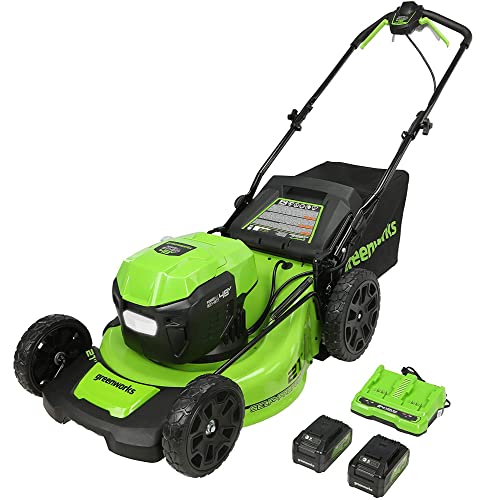
Greenworks 48V (24V x 2) 21in Self-Propelled Lawn Mower, Battery Kit | Brushless motor with LED headlight and rapid charger; self-propelled drive reduces effort on larger lawns.
Check price on Amazon
EGO POWER+ 21" Cordless Electric Lawn Mower Kit, Self-Propelled - LM2135SP
Check price on Amazon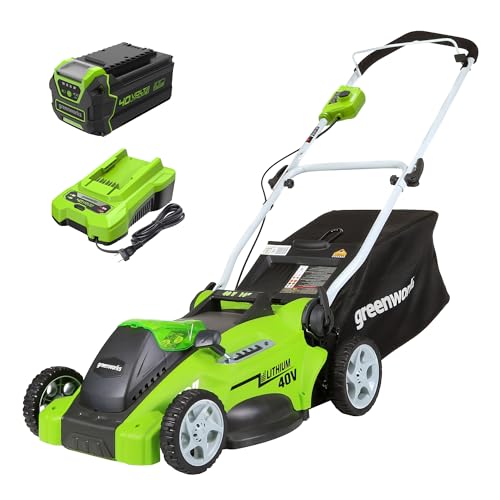
Greenworks 40V 16in Push Lawn Mower, 4.0 Ah Battery and Charger | Quiet walk-behind mower with push-button start; gas-free operation eliminates fumes and pull starts
Check price on AmazonMaintaining Your Electric Mower for Slope Duty
Hills put extra strain on a mower's drive system, tires, and battery. Regular maintenance keeps performance consistent:
- Clean the deck after each use to prevent grass buildup that adds weight and reduces airflow.
- Inspect tires for wear — worn tread loses grip on slopes.
- Check drive belts and wheel gears periodically for looseness or damage.
- Store batteries properly — avoid extreme temperatures and recharge according to the manufacturer's guidance.
- Sharpen blades regularly — a dull blade strains the motor and reduces cut quality, especially on thick grass.
For general lawn equipment upkeep, see our lawn care guides, and for broader tool care, visit our garden tools section.
Before You Buy: Matching the Mower to Your Yard
No single mower is best for every hill. Consider these variables before committing:
- Slope angle: Measure your steepest section. Gentle slopes (under 15 degrees) suit RWD mowers; steeper grades call for AWD and higher torque.
- Lawn size: Larger lawns need bigger batteries or swappable platforms to cover the area in one session.
- Grass type: Thick, dense grass demands more torque and a more powerful motor.
- Obstacles: Trees, beds, and uneven edges require maneuverability, not just traction.
- Operator comfort: Ergonomic handles, adjustable speed, and lightweight builds reduce fatigue on sloped properties.
If you're exploring where to purchase, our guide to the best place to buy a self-propelled lawn mower covers trusted retailers and what to check before ordering.
Frequently Asked Questions
Can a self-propelled electric mower handle steep hills?
Yes, modern self-propelled electric mowers with brushless motors and all-wheel drive can handle moderate to steep slopes. Look for models rated for slopes of at least 15 to 20 degrees, with strong traction and a low center of gravity. Always stay within the manufacturer's slope rating.
What is the most important feature for mowing hills?
Traction and the drive system are the most critical features. All-wheel drive provides the best grip on slopes, while rear-wheel drive offers good balance for moderate inclines. Also consider weight distribution, tire tread, and motor torque.
How do I safely mow a steep slope?
Always mow across the slope (perpendicular to the incline) rather than up and down. Keep the mower's wheels on the ground, avoid wet grass, wear sturdy footwear, and never pull a mower toward you on a hill. Check your mower's slope rating before use.
Are battery-powered mowers powerful enough for hilly terrain?
Yes, modern brushless electric motors deliver substantial torque comparable to gas models. Premium and high-end battery mowers maintain consistent power under load, making them well-suited for hills, though runtime may decrease on steep terrain. A spare battery or a high-capacity pack helps ensure you finish the job.