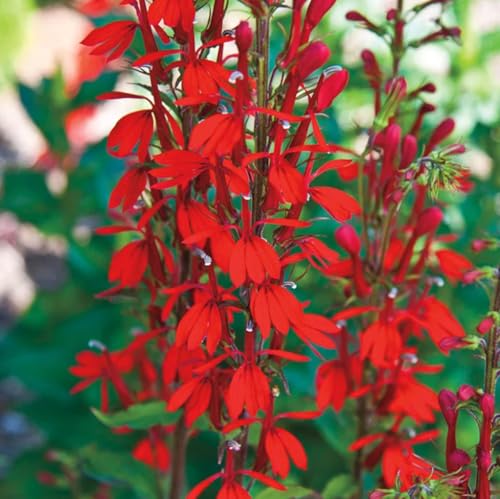
Cardinal Flower (Lobelia cardinalis) Care & Growing Guide
Plant this native perennial for a burst of brilliant red that attracts hummingbirds and butterflies to your garden.
Let Gardening Philosophy: The Cardinal Flower (Lobelia cardinalis) is a stunning native plant that brings a bold splash of red to moist, shady areas. With its tall spires of tubular blooms, it's a magnet for hummingbirds and a favorite among pollinators. This guide covers everything you need to know to grow this beautiful plant successfully.
Why Grow Cardinal Flower?
If you're looking for a low-maintenance, native plant that delivers high-impact color, the Cardinal Flower is an excellent choice. Its brilliant red flowers, blooming from mid-summer to early fall, create a dramatic focal point in any garden. Beyond its beauty, it plays a vital role in supporting local ecosystems. For more ideas on attracting wildlife, explore our guide on plants that attract butterflies.
Plant Profile
- Botanical Name: Lobelia cardinalis
- Common Name: Cardinal Flower
- Plant Type: Herbaceous perennial
- Mature Size: 2–4 ft. tall, 1–2 ft. wide
- Sun Exposure: Part shade to full sun (in cooler climates)
- Soil Type: Moist, well-drained, rich in organic matter
- Soil pH: 5.5–7.0 (slightly acidic to neutral)
- Bloom Time: July to September
- Flower Color: Brilliant red, occasionally pink or white
- Hardiness Zones: 3–9 (USDA)
- Native Area: North America
Growing & Care Tips
- Water: Keep soil consistently moist; does not tolerate drought.
- Light: Prefers morning sun and afternoon shade.
- Soil: Rich, organic, and moisture-retentive.
- Fertilizer: Apply a balanced, slow-release fertilizer in spring.
- Propagation: Seeds, division, or cuttings.
- Pests: Generally pest-free; watch for slugs and snails.
- Deer Resistance: Yes, it is deer-resistant.
- Uses: Rain gardens, borders, woodlands, near ponds.
For more native plant ideas, check out our article on wildflowers for your garden.
How to Grow Cardinal Flower
Growing Cardinal Flower is relatively easy if you can provide the right conditions. It's a plant that thrives in consistently moist soil, making it an excellent choice for rain gardens, pond edges, or naturally damp areas. Here's a step-by-step guide to get you started.
Site Selection
Choose a location with part shade to full sun. In hotter climates (zones 7-9), afternoon shade is essential to prevent the leaves from scorching. The ideal spot offers morning sun and protection from the hottest part of the day. This plant is perfect for areas where other plants might struggle due to moisture levels. For front yard ideas, consider pairing it with other shade-tolerant perennials.
Soil Preparation
Cardinal Flowers need rich, organic soil that retains moisture but does not become waterlogged. Amend your soil with compost, leaf mold, or peat moss to improve water retention and nutrient content. A pH between 5.5 and 7.0 is ideal. Before planting, work a 2–3 inch layer of organic matter into the top 12 inches of soil. For more on soil improvement, read our soil and potting guides.
Planting Steps
- When to Plant: In spring after the last frost, or in early fall.
- Spacing: Space plants 12–18 inches apart to allow for good air circulation.
- Depth: Dig a hole as deep and twice as wide as the root ball. Place the plant so the top of the root ball is level with the ground.
- Water: Water thoroughly after planting and maintain consistent moisture throughout the growing season.
- Mulch: Apply a 2-inch layer of organic mulch (like shredded bark or leaf mulch) to help retain moisture and keep roots cool.
If you're looking to create a vibrant pollinator garden, consider planting Cardinal Flowers alongside other native perennials. You can also explore our guide on companion planting flowers for more combinations.
Ongoing Care & Maintenance
- Watering: Cardinal Flowers are thirsty plants. Do not let the soil dry out, especially during hot spells. A consistent moisture level is key. Consider using a soaker hose or drip irrigation to maintain even moisture.
- Fertilizing: Apply a balanced, slow-release fertilizer (e.g., 10-10-10) in early spring as new growth emerges. Avoid over-fertilizing, which can lead to leggy growth and fewer flowers.
- Deadheading: Removing spent flower spikes can encourage a second flush of blooms later in the season. It also prevents the plant from self-seeding prolifically if you prefer to control its spread.
- Dividing: Every 2–3 years in early spring, divide crowded clumps to rejuvenate the plant and improve flowering. Simply dig up the clump, separate it into smaller sections with a sharp spade, and replant.
- Winter Care: In colder zones, apply a thick layer of mulch (4–6 inches) over the crown in late fall to protect the roots from freezing. In spring, remove the mulch to allow new growth to emerge.
Propagation Methods
You can propagate Cardinal Flowers through seeds, division, or stem cuttings. This is a great way to expand your garden or share with friends. If you're interested in starting your plants from seed, timing and patience are key.
From Seeds
Sow seeds indoors 8-10 weeks before the last frost date. Surface-sow the seeds (they need light to germinate) on moist seed-starting mix. Keep the soil consistently moist and provide bright light. Germination can take 2-4 weeks. Transplant seedlings outdoors after the danger of frost has passed.
By Division
Divide mature clumps in early spring or fall. This is the quickest and most reliable method. Dig up the clump, separate the roots into sections with a few shoots each, and replant immediately.
From Cuttings
Take stem cuttings in early summer. Dip the cut end in rooting hormone and plant in a moist potting mix. Keep in a warm, bright spot until roots develop.
For a beginner-friendly approach to starting plants, check out our seed starting guide.
Common Pests & Problems
Cardinal Flowers are relatively trouble-free, but they can occasionally have issues.
- Slugs and Snails: These pests love moist environments and can chew holes in leaves. Use organic slug bait, beer traps, or diatomaceous earth to control them.
- Leaf Spot: Fungal diseases can occur in poorly ventilated areas. Ensure good air circulation by spacing plants properly and water at the base of the plant to avoid wetting the foliage.
- Drought Stress: If the soil dries out too much, the plant will wilt and may die. Consistent moisture is critical.
For a general approach to pest management, see our guide on natural pest control for gardens.
Landscape Design Ideas
The Cardinal Flower is incredibly versatile in the landscape. Its vibrant red color makes a dramatic statement, especially when paired with contrasting flowers. Here are some design tips:
Rain Gardens
Cardinal Flowers thrive in the moist, well-drained conditions of a rain garden. Plant them alongside other moisture-loving plants like swamp milkweed and turtlehead for a stunning, eco-friendly display.
Woodland Gardens
They are a natural fit for woodland borders. The bright red flowers pop against the green foliage of ferns, hostas, and astilbes, creating a shaded retreat full of color.
Near Ponds & Streams
This is a classic use. Plant along the edges of ponds or streams where the soil is consistently moist. The reflection of the red blooms in the water is spectacular.
Pollinator Gardens
It's a must-have for any pollinator garden. The tubular flowers are perfectly shaped for hummingbirds and long-tongued butterflies. Combine it with other native wildflowers for a thriving ecosystem.
For more landscape design inspiration, explore our landscaping ideas section.
Popular Varieties
While the straight species (Lobelia cardinalis) is a showstopper, there are a few cultivated varieties and closely related species you might consider:
- Lobelia cardinalis 'Queen Victoria': A popular hybrid with deep burgundy-purple foliage and bright red flowers. It adds a dramatic contrast to the garden.
- Lobelia cardinalis 'Alba': A white-flowered form of the Cardinal Flower. It is less common but offers a stunning, pure white alternative that shines in the shade.
- Lobelia siphilitica (Great Blue Lobelia): A close relative with tall spikes of blue flowers. It has similar moisture and shade requirements and pairs beautifully with the red cardinal flower.
Buying & Planting Tips
When purchasing Cardinal Flowers, look for healthy, vibrant plants at your local nursery or order from reputable online retailers. You can also find seeds or bare-root plants. Ensure the source is reliable to get true-to-type plants. Always check that the growing conditions you can provide match the plant's needs.