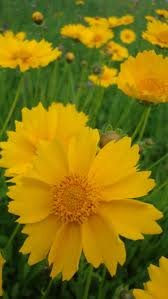
Coreopsis Lanceolata: Lanceleaf Coreopsis Care Guide
Bright, cheerful, and incredibly easy to grow, Lanceleaf Coreopsis is a must-have for any sunny garden. Discover expert tips for planting, caring, and designing with this native perennial.
Jump to Care TipsWhat is Coreopsis Lanceolata (Lanceleaf Coreopsis)?
Coreopsis lanceolata, commonly known as Lanceleaf Coreopsis or Tickseed, is a beloved native perennial that lights up the garden with its bright, golden-yellow, daisy-like flowers. As a member of the Asteraceae family, this plant is cherished for its long bloom time, low maintenance, and ability to attract pollinators like butterflies and bees.
If you're looking for a plant that delivers weeks of cheerful color with minimal fuss, Lanceleaf Coreopsis is an outstanding choice. Its common name, "Tickseed," comes from the tiny, tick-like seeds that form after flowering, which are a favorite food source for songbirds. This plant is not just beautiful; it's a cornerstone of a resilient, wildlife-friendly garden.
Why Grow Lanceleaf Coreopsis? It's drought-tolerant, deer-resistant, thrives in poor soil, and blooms from late spring through summer. It's perfect for borders, wildflower meadows, pollinator gardens, and even rock gardens.
Key Features & Benefits
🌸 Long Bloom Season
Provides vibrant yellow color from late spring to late summer, often with deadheading extending the bloom time into early fall.
☀️ Thrives in Sun
Prefers full sun (at least 6 hours) and well-drained soil. It's a perfect choice for the hottest, sunniest spots in your yard.
💧 Drought Tolerant
Once established, Lanceleaf Coreopsis is remarkably drought-tolerant, making it ideal for water-wise gardens and xeriscaping.
🦋 Pollinator Magnet
The bright blooms attract a variety of beneficial insects, including native bees, butterflies, and other pollinators, supporting your local ecosystem.
Beyond its beauty, Lanceleaf Coreopsis is a champion for sustainable gardening. Its deep taproot helps improve soil structure, and its ability to thrive in challenging conditions makes it a fantastic plant for gardeners of all experience levels.
For more ideas on creating a low-maintenance landscape, check out our guide on small front yard landscaping ideas with no grass.
How to Plant Lanceleaf Coreopsis
Choosing the Right Location
Select a site that receives full sun – at least 6 to 8 hours of direct sunlight per day. While it can tolerate partial shade, it will produce fewer flowers and may become leggy. The soil should be well-draining. Coreopsis is adaptable but does not perform well in heavy, wet clay soils.
When to Plant
Plant in spring after the last frost date, or in early fall in warmer climates. This allows the plant to establish roots before extreme temperatures arrive.
Planting Steps
- Prepare the soil: Loosen the soil to a depth of about 8–10 inches. Amend with compost if the soil is poor or heavy, but avoid over-fertilizing, which can reduce flowering.
- Dig the hole: Dig a hole twice as wide and just as deep as the root ball of your plant (or container).
- Place the plant: Gently remove the plant from its pot and set it in the hole. The top of the root ball should be level with the soil surface.
- Backfill and water: Fill the hole with soil, gently firming it around the roots. Water deeply to settle the soil and eliminate air pockets.
- Mulch (optional): Apply a thin layer of mulch (1-2 inches) around the base to retain moisture and suppress weeds, keeping it away from the plant's stem.
Space plants about 12–18 inches apart to allow for good air circulation and growth. They naturalize readily and will form a beautiful, spreading clump over time.
Ongoing Care & Maintenance
Lanceleaf Coreopsis is incredibly low-maintenance, but a few simple steps will keep it looking its best and encourage repeat blooming.
Watering
Water regularly during the first growing season to help the plant establish a deep root system. Once established, it is very drought-tolerant. Water only during prolonged dry spells. Overwatering can lead to root rot and other issues.
Fertilizing
This plant thrives in lean soil. Do not over-fertilize, as this can cause lush foliage at the expense of flowers. If your soil is very poor, a light application of a balanced, slow-release fertilizer in early spring is sufficient. For most gardens, no fertilizer is necessary.
Deadheading and Pruning
Deadheading spent flowers is the key to extending the bloom period. Regularly remove faded flowers to encourage the plant to produce more blooms. In midsummer, if the plant becomes leggy or has fewer blooms, you can cut it back by about one-third. This practice, called "shearing," promotes a new flush of growth and blooms for the fall.
Leave some spent flowers on the plant in autumn to provide seeds for birds and allow the plant to self-sow for new plants next year.
Pest & Disease Resistance
Coreopsis lanceolata is generally pest and disease-resistant. Overwatering can lead to fungal diseases like powdery mildew. To prevent this, ensure good air circulation and water at the base of the plant, avoiding wetting the foliage.
For natural ways to keep your garden healthy, learn about natural weed killer methods and safe pest control.
Popular Varieties of Lanceleaf Coreopsis
While the straight species Coreopsis lanceolata is stunning, several cultivars offer unique characteristics:
🌻 'Early Sunrise'
A widely popular variety with semi-double, golden-yellow flowers. It blooms earlier and longer than the species and is a vigorous grower.
🌻 'Mango Punch'
Features striking yellow-orange flowers with a red center eye. This cultivar is compact and known for its unusually long blooming season.
🌻 'Sunray'
This cultivar produces double, rich golden-yellow flowers. It forms a neat, compact mound and is an excellent choice for borders and containers.
🌻 'American Dream'
Another popular double variety with intense golden-yellow blooms. It is a profuse bloomer and highly attractive to butterflies.
These varieties all share the same easy-care nature as the species, making them perfect for adding a splash of sunshine to any garden.
Companion Plants & Garden Design
Lanceleaf Coreopsis is incredibly versatile and pairs beautifully with a wide range of perennials. Its bright yellow flowers create stunning contrasts with purple, blue, and red blooms.
- With Purple Flowers: Plant with Salvia, Lavender, or Russian Sage for a classic and striking color combination.
- With Blue Flowers: Combine with Blue Flax or Globe Thistle for a cool, serene effect.
- With Other Golds &> Oranges: Create a warm, fiery display by pairing with Rudbeckia (Black-Eyed Susan) and Echinacea (Coneflower).
- For a Meadow Look: Its carefree habit makes it an ideal component of wildflower meadows, blending naturally with grasses and other natives.
It also looks fantastic when mass-planted in large drifts, acting as a ground cover that creates a sea of golden blooms.
Looking for more design inspiration? Check out our landscaping ideas for around an above-ground pool.
How to Propagate Coreopsis
Lanceleaf Coreopsis is very easy to propagate, allowing you to expand your garden or share it with friends.
- Division: This is the most common method. Divide the plants every 2-3 years in early spring or early fall. Dig up the clump, gently separate the roots into smaller sections, and replant. This also rejuvenates the plant and prevents the center from dying out.
- Seed: You can collect seeds from the dried flower heads in autumn or let the plant self-sow naturally. You can also sow seeds directly in the garden in early spring or late fall.
- Stem Cuttings: In early summer, take 4-6 inch stem cuttings, remove the lower leaves, and plant them in a moist potting mix. Keep them in a shaded area until roots develop.
Propagation is a rewarding way to build a more lush, cost-effective garden.
Frequently Asked Questions
Is Coreopsis lanceolata invasive?
While it can spread, it is generally not considered aggressively invasive. It self-sows, but seedlings are easy to manage. In its native range, it is a well-behaved and beneficial component of the ecosystem.
Is Coreopsis annual or perennial?
It is a herbaceous perennial. It dies back to the ground in winter and re-sprouts from its root system in spring.
Is Lanceleaf Coreopsis deer resistant?
Yes, it is highly deer-resistant due to its slightly bitter-tasting foliage. This makes it an excellent choice for gardens in areas with high deer pressure.
How do you care for Coreopsis in winter?
In late fall, you can leave the stems standing to provide winter interest and a food source for birds. Alternatively, you can cut the dead stems back to about 2-3 inches above the ground. Mulch lightly in colder climates (Zone 5 and below) to protect the roots from heaving.
For more winter garden tips, read about winter garden preparation.
Ready to Grow Lanceleaf Coreopsis?
With its bright, cheerful flowers and incredibly easy-going nature, Coreopsis lanceolata is a rewarding addition to any garden. Whether you're a novice or an expert, this plant will exceed your expectations, providing you with months of color and a thriving habitat for beneficial wildlife.
Now that you're equipped with all the knowledge you need, it's time to bring this sun-loving beauty into your landscape. Explore the products below to find the best tools and supplies to help you get started.