Custom Replacement Cushions for Outdoor Furniture
Give your patio, deck, or porch a fresh look and comfortable feel with custom replacement cushions made to fit your exact furniture. Learn how to measure, choose fabrics, and care for cushions that last season after season.
Browse Recommended CushionsWhy custom replacement cushions matter: Outdoor furniture frames are built to last, but their cushions often wear out first. Sun, rain, and daily use flatten foam and fade fabric. Custom replacement cushions let you keep a sturdy frame and restore comfort and style without buying a whole new set. This guide walks you through everything you need to know before ordering, from measuring your seats to selecting the right fabric tier for your climate and usage.
When Should You Replace Outdoor Furniture Cushions?
Cushions are the most perishable part of any outdoor seating set. Even high-end fabrics eventually fade, and foam loses its resilience over time. Here are the clear signs that it is time to order a replacement set:
- Flattened foam: When cushions no longer spring back after sitting, the foam core has broken down. Flat cushions cause discomfort and can even affect posture.
- Fabric fading or discoloration: UV exposure breaks down dyes. If your cushions look washed out compared to the underside, the fabric has reached the end of its useful life.
- Mildew or persistent stains: Outdoor cushions are prone to mildew in humid climates. Once mildew penetrates the foam core, cleaning is rarely effective.
- Tears and seam failure: Small rips quickly become large ones. A tear at a seam often means the thread has degraded from sun exposure.
- Compression marks and sagging: Deep body impressions that stay visible after use indicate the foam has lost its support.
If your frames are still sturdy, replacement cushions are the smart, sustainable choice. Instead of discarding an entire patio set, you extend its life and refresh its appearance. This approach is also kinder to your budget compared to buying new furniture, and it keeps usable materials out of landfills.
How to Measure Your Outdoor Furniture for Custom Cushions
Accurate measurements are the foundation of a successful custom order. Unlike off-the-shelf cushions, custom pieces are cut to your exact dimensions, so a small error can mean a poor fit. Follow these steps carefully:
- Measure the seat width: Use a flexible tape measure across the widest point of the seat frame, from left to right.
- Measure the seat depth: Measure from the front edge of the seat to the back edge, following the frame.
- Measure the seat thickness: Check the current cushion thickness or the height of the seat frame side rail. Common thicknesses are 3, 4, 5, and 6 inches.
- Measure the back height: From the top of the backrest to the seat surface. If your furniture has a curved back, measure along the curve.
- Measure the back width: Across the widest point of the backrest.
- Check for curves and angles: Many patio chairs have angled backs or rounded corners. Note these shapes and consider making a paper template for odd shapes.
- Measure each seat separately: Outdoor furniture frames can vary slightly from chair to chair. Measure every seat individually for the best fit.
Choosing the Right Fabric for Outdoor Cushions
The fabric is the most important decision in your custom cushion order. It determines how long the cushions last, how they feel, and how well they resist sun, rain, and stains. Here are the main categories to consider:
Solution-Dyed Acrylic
This is the gold standard for outdoor cushions. The dye is added to the fiber before it is spun, so color penetrates the entire thread rather than sitting on the surface. Solution-dyed acrylic resists fading, mildew, and water damage exceptionally well. It is soft to the touch and available in a wide range of colors and patterns. Look for fabrics with a UV resistance rating and a water-repellent finish.
Olefin
Olefin is a synthetic fiber that is naturally resistant to moisture, mildew, and stains. It is lighter and often more affordable than acrylic, making it a solid mid-range option. Olefin holds color well, though it may not match the longevity of solution-dyed acrylic in intense sun. It is a practical choice for covered patios and moderate climates.
Polyester Blends
Polyester is durable, quick-drying, and resistant to stretching. Blends with acrylic or olefin can offer a good balance of performance and comfort. Entry-level polyester cushions are common in budget-friendly replacement sets, while higher-end blends with UV stabilizers perform much better over time.
Performance Fabrics
Brands such as Sunbrella and Outdura have built reputations for exceptional fade resistance and durability. These premium fabrics are backed by multi-year warranties and are the top-tier choice for uncovered pools, coastal homes, and high-sun environments. They cost more upfront but often deliver the lowest cost per year of use.
Foam and Filling Options for Outdoor Cushions
The foam inside your cushion determines comfort and support. Outdoor cushions need foam that resists water and maintains shape. Here are the common options:
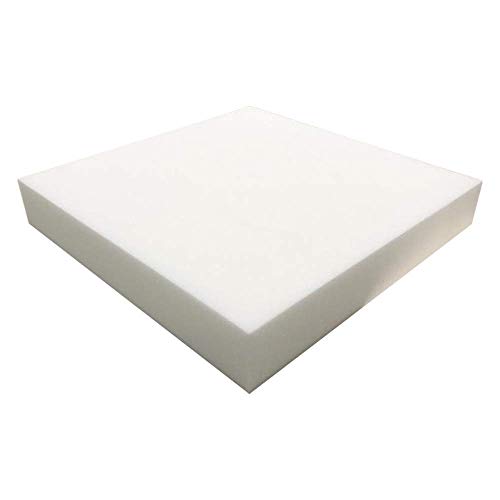
- Polyurethane foam: The most common filling. Standard foam is comfortable but can hold water. Look for open-cell foam treated with a moisture barrier for outdoor use.
- Dry-fast foam: Specially engineered with an open-cell structure that lets water drain quickly. It dries faster than standard foam and resists mildew growth.
- Memory foam: Offers excellent comfort and contouring, but standard memory foam is not ideal for outdoor use because it retains heat and moisture. Some outdoor-rated memory foam blends are available.
- Fiber fill: Often used as a wrap around foam cores for a softer feel. Fiber fill alone compresses quickly and is not recommended as the primary filling for seat cushions.
- High-density foam: Provides firmer support and lasts longer. A common choice for seat cushions that get daily use.
For seat cushions, a medium-firm high-density foam is usually the best balance of comfort and durability. For back cushions, a softer foam or fiber-wrapped foam feels more comfortable. Many custom cushion makers offer multiple foam grades so you can match the firmness to your preference and usage.
Understanding Quality Tiers for Replacement Cushions
Custom replacement cushions span a wide range of quality. To choose wisely, think in terms of tiers rather than specific brands or prices. Here is a clear breakdown of what each tier typically offers:
Entry-Level
Basic polyester fabrics and standard foam. Good for light use on covered porches or seasonal setups. Expect a shorter lifespan and more frequent replacement.
Mid-Range
Olefin or acrylic-blend fabrics with moisture-resistant foam. A solid choice for everyday patio use. Better fade resistance and comfort than entry-level options.
Premium
Solution-dyed acrylic performance fabrics with dry-fast, high-density foam. Built for full sun and frequent use. Excellent longevity and color retention.
Luxury
Top-tier performance fabrics with custom detailing, piping, and premium foam systems. Designed for high-end furniture and demanding environments like coastal patios.
A useful rule of thumb: choose a tier one step higher than you think you need. Cushions are exposed to more abuse than indoor upholstery, and better materials pay off in comfort and lifespan. If your furniture is exposed to direct sun and rain, premium or luxury tier is the wiser long-term investment.
Custom vs. Off-the-Shelf Replacement Cushions
Off-the-shelf cushions are convenient and often affordable, but they come in standard sizes that may not fit your furniture precisely. Custom cushions are made to your measurements, which offers several advantages:
- Perfect fit: No more slipping, bunching, or gaps. Custom cushions sit snugly and look tailored.
- Shape flexibility: Curved backs, wedge shapes, round ottomans, and unusual seat depths are all possible with custom orders.
- Fabric choice: You are not limited to whatever fabric the store stocks. Choose the color, pattern, and performance level you want.
- Foam customization: Select the firmness and thickness that suits your comfort preferences.
- Longer lifespan: Custom makers often use higher-quality materials than mass-market cushion suppliers.
The trade-off is that custom cushions require a lead time and careful measurement. If your furniture has standard dimensions, off-the-shelf may work well. For unusual pieces or premium frames, custom is almost always the better choice. If you are also refreshing other outdoor areas, consider related upgrades like bird baths or cantilever umbrellas to complete the look.
Caring for Custom Outdoor Cushions
Proper care extends the life of your investment. Follow these practical habits:
- Clean regularly: Brush off loose dirt and rinse with a garden hose. Use mild soap and a soft brush for deeper cleaning, then rinse thoroughly.
- Dry completely: Stand cushions on edge to drain and dry. Never store damp cushions, as trapped moisture encourages mildew.
- Use covers or storage: When not in use, cover furniture or store cushions in a dry place. A deck box keeps cushions protected and accessible.
- Rotate cushions: Flip and rotate seat cushions periodically to distribute wear evenly.
- Avoid harsh chemicals: Bleach and strong solvents can break down fabric fibers and fade colors.
- Address stains promptly: Blot spills immediately with a clean cloth. The longer a stain sits, the harder it is to remove.
With routine care, premium custom cushions can last many seasons. For more outdoor living inspiration, explore our guides on garden ornaments and hammocks and swings to create a cohesive, comfortable outdoor space.
Frequently Asked Questions
How do I measure my outdoor furniture for custom replacement cushions?
Measure the seat width, depth, and thickness, plus the back height and width. Use a flexible tape measure and record each dimension at the widest points. Measure each individual seat separately since outdoor furniture can vary slightly. For curved or angled pieces, a paper template is the safest approach.
What are the best fabrics for outdoor replacement cushions?
Solution-dyed acrylic, olefin, and polyester blends with UV and water-resistant treatments are top choices. Look for fabrics rated for outdoor use with fade and mildew resistance. Performance fabrics such as Sunbrella and Outdura are premium options that hold color well over years of sun exposure.
How long do custom outdoor furniture cushions last?
High-end solution-dyed acrylic cushions typically last five to ten years with proper care, while mid-range polyester blends last three to five years. Lifespan depends heavily on sun exposure, storage habits, cleaning frequency, and whether you bring cushions indoors during harsh weather.
Can I order custom replacement cushions for any patio furniture?
Yes. Custom cushion makers can produce replacements for virtually any frame, including wicker, metal, wood, and resin furniture. You provide measurements and shape details, and they fabricate cushions to fit. Odd angles, curved backs, and wedge shapes are usually accommodated with a template.
Should I choose custom cushions or buy a new patio set?
If your frames are sturdy, custom replacement cushions are usually the smarter choice. They cost less than a full new set, extend the life of furniture you already own, and let you upgrade fabric and foam quality. New furniture makes sense only when frames are damaged or unstable.
Ready to Refresh Your Outdoor Space?
Browse our curated selection of replacement cushions and outdoor furniture accessories below. Each product is chosen to help you restore comfort and style to your patio, deck, or porch.
See Recommended Products