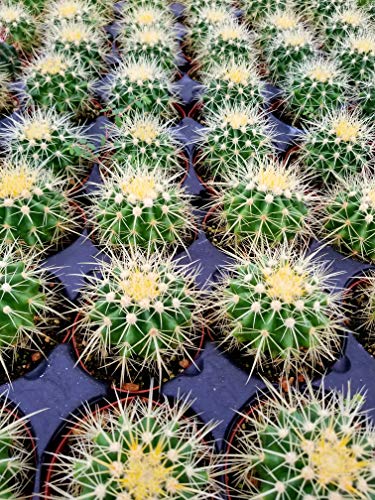
Echinocactus Grusonii: The Golden Barrel Cactus Care Guide
Everything you need to know about growing, watering, and maintaining the iconic golden barrel cactus. From soil and light requirements to pest control and winter care, this comprehensive guide covers all the essentials for a thriving desert beauty.
Quick Facts: Golden Barrel Cactus
- Botanical Name: Echinocactus grusonii
- Common Names: Golden Barrel Cactus, Golden Ball, Mother-in-Law's Cushion
- Plant Type: Succulent, perennial cactus
- Mature Size: Up to 3 feet in diameter (outdoors), smaller in containers
- Sun Exposure: Full sun to partial shade
- Soil Type: Fast-draining cactus or succulent mix
- Water Needs: Low; drought-tolerant once established
- Hardiness: Not frost-hardy; protect from freezing temperatures
- Native Range: Central Mexico
What Is Echinocactus Grusonii?
Echinocactus grusonii, widely known as the golden barrel cactus, is one of the most recognizable and beloved desert plants in the world. Native to the arid regions of central Mexico, this slow-growing succulent forms a large, spherical body covered in prominent ribs lined with bright golden-yellow spines. The plant's striking appearance and remarkable resilience have made it a favorite among collectors, landscapers, and homeowners looking to add a touch of the desert to their gardens.
Despite its formidable spines, the golden barrel cactus is surprisingly easy to care for when you understand its natural habitat. It thrives in hot, dry conditions with plenty of sunlight and well-draining soil. Whether you are growing it as a statement piece in a rock garden, a container plant on a sunny patio, or part of a larger drought-tolerant plant collection, the golden barrel cactus rewards careful attention with decades of steady growth and architectural beauty.
Understanding the Golden Barrel Cactus's Natural Habitat
To grow Echinocactus grusonii successfully, it helps to understand where it comes from. This cactus is native to the highlands of central Mexico, where it grows on rocky, volcanic slopes in full sun. The climate in these regions is characterized by intense heat, low humidity, and long dry periods punctuated by brief seasonal rains.
In cultivation, replicating these conditions is the key to healthy growth. The golden barrel cactus needs bright light, excellent drainage, and a watering routine that mimics the natural wet-dry cycle of its native environment. When these conditions are met, the plant can live for decades and eventually produce small yellow flowers at the crown during the warm months.
Light Requirements: Sun, Sun, and More Sun
The golden barrel cactus is a sun-loving plant that performs best in full sun. Outdoors, it should receive at least six hours of direct sunlight daily. In hot, inland climates, a little afternoon shade can help prevent sunburn during the most intense summer heat, but the plant will generally tolerate full sun without issue once acclimated.
If you are growing your cactus indoors, place it near a south-facing window where it can receive bright, direct light for several hours each day. Insufficient light is one of the most common problems for indoor cacti, leading to weak, elongated growth and a loss of the plant's characteristic round shape. If natural light is limited, a grow light can supplement the plant's needs and keep it healthy during darker months.
Soil and Potting: Drainage Is Everything
The single most important factor in caring for a golden barrel cactus is drainage. Like most cacti, Echinocactus grusonii is highly susceptible to root rot if its roots sit in moist soil for extended periods. A fast-draining cactus or succulent mix is essential, and you can improve drainage further by mixing in pumice, perlite, or coarse sand.
When growing in containers, choose a pot with large drainage holes and avoid saucers that collect water. Terracotta pots are an excellent choice because they are porous and allow moisture to evaporate more quickly. Repot your cactus every few years or when it outgrows its container, taking care to handle it with thick gloves or folded newspaper to protect your hands from the spines.
Watering the Golden Barrel Cactus
Watering is where most cactus owners go wrong. The golden barrel cactus is adapted to survive long periods of drought, and overwatering is the leading cause of decline. The golden rule is to water deeply but infrequently, allowing the soil to dry completely between waterings.
During the growing season in spring and summer, water thoroughly and then wait until the soil is bone dry before watering again. This typically means watering every two to four weeks, depending on temperature, humidity, and pot size. In winter, when the plant is dormant, reduce watering dramatically or stop entirely. A dry winter rest period is beneficial for the plant's long-term health and can encourage flowering the following season.
Temperature and Winter Care
Echinocactus grusonii thrives in warm temperatures and can handle intense summer heat without issue. However, it is not frost-hardy. While it can tolerate brief exposure to temperatures near freezing, prolonged cold and frost can damage or kill the plant. In regions with cold winters, grow your golden barrel cactus in a container so you can move it indoors or into a protected greenhouse before temperatures drop below freezing.
If you live in a climate with mild winters and want to grow the cactus in the ground, choose a location with excellent drainage and consider covering the plant or providing frost protection during rare cold snaps. For more tips on protecting plants from cold, see our guide on frost protection.
Fertilizing: Less Is More
The golden barrel cactus is not a heavy feeder and can thrive without regular fertilization. If you want to give your plant a boost during the growing season, apply a diluted cactus or succulent fertilizer once a month in spring and summer. Avoid fertilizing in winter when the plant is dormant, and never apply fertilizer to dry soil, as this can burn the roots.
Common Problems and Solutions
While the golden barrel cactus is generally pest-resistant and low-maintenance, a few issues can arise. Understanding the signs of trouble and knowing how to respond will help you keep your plant healthy for years to come.
Yellowing or Softening
Yellowing or mushy tissue is usually a sign of overwatering or poor drainage. Check the soil moisture and reduce watering frequency. If the problem is severe, you may need to repot the cactus in fresh, dry soil and inspect the roots for rot.
Elongated Growth
If the cactus begins to stretch or elongate, it is likely not receiving enough light. Move it to a brighter location or supplement with a grow light.
Pests
Mealybugs and scale insects can occasionally attack cacti, especially indoors. Inspect the plant regularly and treat infestations promptly with insecticidal soap or a cotton swab dipped in rubbing alcohol. For more on natural pest control, see our natural pest control guide.
Choosing the Right Golden Barrel Cactus for Your Garden
When shopping for a golden barrel cactus, you will encounter plants of different sizes and quality tiers. The table below outlines what you can typically expect from each tier, helping you make an informed decision based on your needs and experience level.
| Quality Tier | Typical Characteristics | Best For |
|---|---|---|
| Entry-Level | Small starter plants, often grown from seed; may have minor cosmetic imperfections; simple packaging | Beginners, budget-conscious gardeners, or those wanting to grow from a small size |
| Mid-Range | Well-established plants with good shape and color; healthy root systems; reliable shipping | Most home gardeners looking for a healthy, ready-to-display specimen |
| Premium | Large, mature specimens with perfect form; vibrant golden spines; expertly packed for safe transit | Collectors, landscapers, or anyone wanting an instant focal point |
| Luxury | Show-quality, exhibition-grade plants; exceptional symmetry and spine density; often accompanied by provenance documentation | Serious collectors and enthusiasts seeking a true centerpiece |
Regardless of the tier you choose, always inspect the plant upon arrival and ensure it is firm, well-colored, and free of soft spots or pests. A healthy cactus from any tier will reward you with years of growth and beauty.
Designing with Golden Barrel Cactus
The golden barrel cactus is a versatile plant in the landscape. Its bold, rounded form and bright golden spines make it a natural focal point in rock gardens, desert-themed beds, and modern minimalist plantings. It pairs beautifully with other drought-tolerant plants such as agave, aloe, and ornamental grasses.
In containers, it works well as a standalone specimen or combined with trailing succulents that soften the edges of the pot. Just be sure to give it enough space to grow, as mature plants can reach impressive dimensions. For more ideas on creating a drought-tolerant landscape, explore our guides on drought-tolerant plants and rock gardens.
Frequently Asked Questions
How often should I water a golden barrel cactus?
Water deeply but infrequently. During the growing season, allow the soil to dry completely between waterings, which typically means watering every two to four weeks. In winter, reduce watering to almost none.
Can Echinocactus grusonii grow indoors?
Yes, but it requires very bright light, ideally a south-facing window with several hours of direct sun. Without enough light, growth becomes weak and elongated.
What is the best soil for a golden barrel cactus?
Use a fast-draining cactus or succulent mix. You can improve drainage by adding pumice, perlite, or coarse sand. Never use heavy garden soil that retains moisture.
Is the golden barrel cactus cold hardy?
It can tolerate brief exposure to temperatures near freezing, but it is not truly frost-hardy. In cold climates, grow it in a container and bring it indoors before temperatures drop below freezing.
Why is my golden barrel cactus turning yellow?
Yellowing usually indicates overwatering or poor drainage. Check the soil moisture, reduce watering frequency, and ensure the pot drains freely. In some cases, it may also signal too much direct afternoon sun.
Bring Home a Golden Barrel Cactus
The golden barrel cactus is one of the most rewarding succulents you can grow. With its striking appearance, easy care requirements, and impressive longevity, it offers incredible value for both beginner and experienced gardeners. Whether you are just starting your succulent collection or looking to add a statement plant to your landscape, Echinocactus grusonii is a choice you will not regret.
Browse the recommended products below to find healthy, high-quality golden barrel cacti and the supplies you need to help them thrive.
Ready to Grow Your Own Golden Barrel Cactus?
Explore our curated selection of golden barrel cacti and essential cactus care supplies below.
View Recommended Products