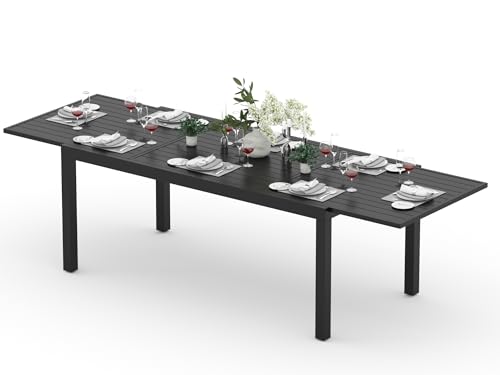
Extendable Outdoor Dining Table with Umbrella Hole: The Complete Buyer's Guide
Discover how an extendable outdoor dining table with umbrella hole combines flexible seating and built-in shade. Learn sizing, material choices, and practical setup tips before you invest in your patio centerpiece.
EXPLORE RECOMMENDED MODELSWhy this table earns a place on your patio: An extendable outdoor dining table with umbrella hole solves two of the most common outdoor entertaining problems at once — seating for a crowd and reliable shade. Instead of buying a fixed table plus a separate shade solution, you get a single piece of furniture that adapts to weeknight family dinners and weekend gatherings alike. This guide walks through the features that matter most so you can choose confidently.
What Makes an Extendable Outdoor Dining Table with Umbrella Hole Different?
A standard patio table is a fixed footprint. An extendable version adds a leaf, butterfly mechanism, or sliding panel system that lets you increase seating on demand. The umbrella hole — usually centered and reinforced with a metal or plastic grommet — allows a parasol pole to pass through the tabletop so the canopy sits directly above the dining area rather than off to the side. This centered configuration provides more even shade and keeps the pole out of walkways.
The combination is especially valuable for households that host occasionally. A compact table seats four for everyday meals, then extends to seat six or eight when guests arrive. Because the umbrella is anchored through the table, you avoid the tipping risk of freestanding umbrella bases and free up floor space around the seating. For gardeners who treat the patio as an extension of the landscape, this table pairs naturally with shade-friendly plantings and outdoor living accessories.
Key Features to Evaluate Before You Buy
Not every extendable table is built to the same standard. Focus on these five areas to separate a table that will last several seasons from one that will wobble or fade after a single summer.
- Extension mechanism: Butterfly leaves fold under the top; drop-in leaves store separately; sliding panels are common on aluminum frames. Test smoothness and look for locking pins or latches that hold the table securely in both positions.
- Umbrella hole sizing: Most poles are 1.5 to 2 inches in diameter. Confirm the hole diameter and whether a reducer ring is included for narrower poles. Check that the hole is reinforced — an unreinforced hole in thin metal can deform over time.
- Frame and tabletop materials: Powder-coated aluminum resists rust and stays lightweight; teak and acacia offer warmth but need periodic sealing; composite and HDPE are low-maintenance and UV-stable. Pair your choice with the right garden furniture that can be left outside all year for peace of mind.
- Extended footprint and clearance: Measure your patio before buying. Allow roughly 36 inches of clearance around the table edge so chairs can pull out. Consider how the table's extended length affects walkways and door swings.
- Stability and weight capacity: A center pedestal base is common on round tables, while rectangular models often use four legs or a trestle. Check that the base spreads wide enough to prevent tipping when someone leans on an extended end.
Sizing Your Table and Umbrella Together
The table and umbrella should be sized as a system. A canopy that is too small leaves the ends of an extended table in full sun; a canopy that is too large can overwhelm a compact patio and catch wind. As a rule of thumb, the canopy should extend roughly 24 to 30 inches beyond each edge of the table in its extended position. For a rectangular table that grows from six to eight feet, a canopy in the eight- to ten-foot range is often appropriate, though wind exposure and the pole's tilt mechanism also factor in.
Height matters too. Confirm the umbrella pole is tall enough that the canopy clears the heads of seated guests, and check whether the table's umbrella hole accommodates a crank or tilt mechanism without interfering with the extension hardware. If you prefer a cantilever style, review cantilever umbrellas separately, since those do not pass through the table and require a weighted base.
Material Comparison at a Glance
Use this reference to match a material to your climate and maintenance preferences. Tiers describe relative market positioning, not absolute pricing.
| Material | Market Tier | Weather Resistance | Maintenance | Best For |
|---|---|---|---|---|
| Powder-coated aluminum | Mid-range | High — rust-resistant | Wipe clean; check coating annually | Humid or coastal climates; frequent moving |
| Teak | Premium | High — naturally oily | Seal annually to preserve color | Long-term investment; classic look |
| Acacia | Mid-range | Moderate — needs sealing | Oil every season | Warm wood aesthetic on a moderate budget |
| Composite / HDPE | Entry-level | High — UV-stable | Soap and water; no sealing | Low-maintenance households |
| Glass top with metal frame | Mid-range | Moderate — frame dependent | Clean glass; inspect frame joints | Modern patios; easy surface cleaning |
Placement and Setup Tips for a Shaded Dining Area
Where you place the table affects both comfort and the lifespan of the furniture. Position the umbrella hole away from prevailing wind corridors, and consider the afternoon sun angle when choosing the table's orientation. A table placed near a garden bed benefits from a backdrop of evergreen shrubs that soften the edges of the patio and provide a windbreak. If your patio has drainage issues, address them first; standing water under table legs accelerates corrosion and wood rot. For broader layout ideas, review patio design ideas before committing to a footprint.
During off-season months, an umbrella should be closed and stored, and the table should be covered or moved under shelter if the material is wood. An extendable mechanism benefits from occasional lubrication of moving parts and a quick check of locking pins before each season. If you keep other outdoor furniture nearby, a consistent material palette — aluminum with aluminum, wood with wood — makes the space feel intentional and simplifies care.
Common Mistakes to Avoid
- Buying the umbrella after the table without checking the hole: Measure the hole diameter first; not all poles fit all tables, and reducer rings are not universal.
- Ignoring the extended footprint: A table that fits your patio when closed may block a doorway when extended. Tape out the extended size on the ground before buying.
- Choosing a canopy that is too small for the extended length: Shade should cover the seating, not just the center of the table.
- Skipping a cover in winter: Even weather-resistant materials last longer when protected from prolonged moisture and UV exposure.
- Overlooking base stability: Test the table's stability with the extension deployed before finalizing placement; a slight wobble can become a tipping risk on uneven paving.
Ready to Compare Models?
Browse a curated selection of extendable outdoor dining tables with umbrella holes and find the size and material that fit your patio.
VIEW RECOMMENDED TABLESFrequently Asked Questions
What is an extendable outdoor dining table with umbrella hole?
It is a patio or garden table with a central opening for a parasol pole plus a mechanism — a butterfly leaf, drop-in leaf, or sliding panel — that lengthens the tabletop to add seating when needed.
What size umbrella fits an extendable outdoor dining table?
Match the canopy to the table's extended footprint, typically extending about 24 to 30 inches beyond each edge. Confirm the pole diameter fits the hole and that the canopy clears seated guests' heads.
Which tabletop material is best for outdoor use?
Teak and powder-coated aluminum offer strong weather resistance; acacia needs seasonal sealing; composite and HDPE are low-maintenance. Choose based on climate and how much upkeep you want.
How much clearance do I need around the table?
Allow about 36 inches between the table edge and walls or other furniture so chairs can pull out comfortably, and account for the extended length when planning walkways.
Can I leave the table outside all year?
Aluminum, composite, and HDPE handle year-round exposure well. Wood benefits from a cover or shelter during the off-season. Always close and store the umbrella when not in use.