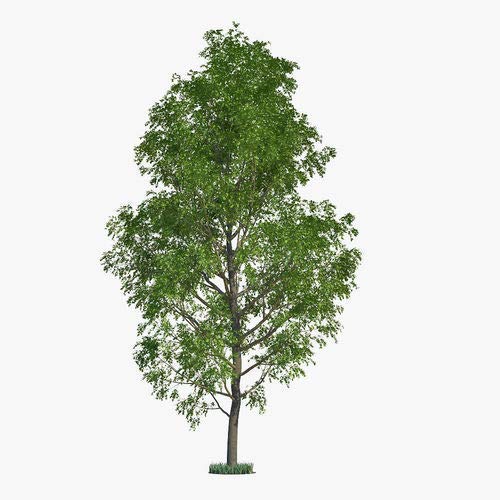
Fast Growing Shade Trees with Non Invasive Roots
Your complete guide to choosing quick-growing shade trees that beautify your yard without threatening foundations, pipes, or pavement.
Planting a shade tree is one of the most rewarding investments a homeowner can make. A well-chosen tree lowers summer cooling costs, creates a comfortable outdoor living space, and adds lasting value to your property. However, homeowners researching fast growing shade trees with non invasive roots often face a frustrating trade-off: the quickest-growing species frequently develop aggressive surface roots that lift driveways, crack foundations, and invade sewer lines.
The good news is that you do not have to sacrifice speed for safety. By understanding how root systems develop and selecting species with deep taproots or well-behaved fibrous roots, you can enjoy generous shade within a few short years. This guide walks you through the science of tree roots, profiles the best fast growing shade trees with non invasive roots, and explains exactly how to plant and care for them so they thrive for decades.
Key takeaway: Fast growth and non-invasive roots can coexist. The secret lies in choosing species with deep root systems and planting them at a safe distance from structures — typically a distance equal to the tree's mature canopy radius.
Why Non Invasive Roots Matter
Tree roots serve three purposes: anchoring the tree, absorbing water and nutrients, and storing energy. The trouble begins when roots spread aggressively just below the soil surface. Shallow, wandering roots are the primary culprits behind cracked driveways, lifted patios, damaged foundations, and blocked drainage pipes. They can also make lawn maintenance a nightmare and create tripping hazards.
Non invasive root systems behave differently. Trees with deep taproots send a strong central root downward, while species with well-structured fibrous roots spread more gently and at greater depth. These habits dramatically reduce the risk of conflict with hardscaping and underground utilities. If your property includes delicate features such as a patio, walkway, or drainage solutions system, prioritizing root-friendly species is essential.
It is worth noting that no tree is completely risk-free. Even well-behaved species can cause problems if planted too close to a structure or in compacted, poorly draining soil that forces roots upward. The combination of the right species, the right location, and the right soil preparation is what delivers truly non invasive results.
How Fast Do Fast Growing Shade Trees Actually Grow?
In horticulture, "fast growing" generally means a tree that adds two or more feet of height per year during its juvenile phase. Many of the species profiled below can achieve three to five feet of growth annually when young, reaching a usable canopy in five to seven years. Growth rate depends heavily on climate, soil quality, water availability, and whether the tree receives full sun.
Keep in mind that rapid growth often comes with softer wood, which can mean weaker branch structure in storms. This is why selecting a well-formed cultivar and providing proper pruning during the first decade is so important. A fast growing shade tree with a strong central leader and well-spaced branches will mature into a safer, longer-lived specimen.
Top Fast Growing Shade Trees with Non Invasive Roots
The following species are widely praised by arborists and landscape professionals for combining rapid growth with root systems that are generally well-behaved near structures and utilities. Always confirm hardiness for your specific growing zone before purchasing.
| Tree Species | Growth Rate | Root Behavior | Best For |
|---|---|---|---|
| Tulip Tree (Liriodendron tulipifera) | Very fast, 3–5 ft/year | Deep, fleshy taproot; non invasive | Large yards, park-like settings |
| American Sweetgum (Liquidambar styraciflua) | Fast, 2–3 ft/year | Deep, well-structured; low risk | Spacious lawns, autumn color |
| Ginkgo (Ginkgo biloba, male cultivars) | Moderate to fast | Deep taproot; extremely non invasive | Urban lots, near pavement |
| Northern Red Oak (Quercus rubra) | Moderate, 2 ft/year | Deep taproot; non invasive | Long-term shade, large properties |
| Japanese Zelkova (Zelkova serrata) | Fast when young | Deep, fibrous; vase-shaped | Streets, driveways, patios |
| Honey Locust (Gleditsia triacanthos, thornless) | Fast, 2–3 ft/year | Deep, spreading but non aggressive | Filtered shade, tough sites |
| Katsura Tree (Cercidiphyllum japonicum) | Moderate to fast | Deep, fibrous; non invasive | Lawns, near structures |
Tulip Tree: The Speed Champion
The Tulip Tree is arguably the best single answer to the question of what is the fastest growing shade tree with non invasive roots. Native to eastern North America, it can add three to five feet of height per year in rich, moist soil and full sun. Its deep taproot makes it remarkably safe near foundations and driveways. The distinctive tulip-shaped flowers appear in late spring, and the golden autumn foliage is spectacular. Give it room to mature, as it can eventually reach eighty feet or more.
American Sweetgum: Reliable and Colorful
American Sweetgum offers a strong central leader, a pyramidal canopy, and brilliant star-shaped leaves that turn deep burgundy and purple in fall. Its root system is deep and well-structured, making it a dependable choice for homeowners who want substantial shade without invasive root concerns. Note that female trees produce spiky seed balls, so some gardeners prefer fruitless cultivars. Pair it with low-maintenance underplantings such as evergreen shrubs for year-round structure.
Ginkgo: Ancient and Exceptionally Safe
The Ginkgo is a living fossil with a deep taproot and an outstanding reputation for non invasive behavior. Male cultivars such as 'Autumn Gold' avoid the messy fruit of female trees. Ginkgo is tolerant of urban conditions, compacted soil, and pollution, making it one of the safest choices for planting near pavement. It is slower than the Tulip Tree but still qualifies as fast growing in youth.
Japanese Zelkova: The Street Tree Standard
Zelkova serrata is prized in municipal landscaping for its vase-shaped canopy and deep, fibrous roots that rarely disturb pavement. It grows quickly when young and tolerates heat and drought once established. If you are developing a front yard landscaping plan that includes a shade tree near a driveway or walkway, Zelkova is an excellent candidate.
Honey Locust: Filtered Shade, Tough Disposition
Thornless, fruitless honey locust cultivars provide light, dappled shade that allows grass to grow beneath them. Their deep root systems are generally non invasive, and they tolerate poor soil, salt, and drought. The fine-textured foliage turns clear yellow in autumn. Choose certified thornless varieties to avoid the dangerous spikes of the wild species.
How to Plant for Non Invasive Root Growth
Species selection is only half the battle. How you plant and manage your tree determines whether its roots stay deep and well-behaved. Follow these practices for the best results:
- Choose the right location. Plant at a distance from foundations, driveways, and sewer lines equal to at least half the tree's mature canopy spread. For large shade trees, fifteen to twenty-five feet is a sensible minimum.
- Prepare a wide planting hole. Dig a hole two to three times wider than the root ball but no deeper than the root ball itself. This encourages lateral root exploration in loose soil rather than circling roots.
- Avoid amending the backfill excessively. Heavy amendment can create a "pot-in-soil" effect that discourages roots from spreading into native soil. Use the excavated soil with modest compost.
- Water deeply and infrequently. Shallow, frequent watering trains roots to stay near the surface. Deep soakings encourage downward growth, which is exactly what you want for non invasive behavior.
- Mulch correctly. Apply two to four inches of organic mulch in a wide ring around the trunk, keeping it a few inches away from the bark. Mulch conserves moisture and moderates soil temperature.
- Skip the root barrier unless necessary. For genuinely non invasive species, physical barriers are usually unnecessary. If you are planting near a sewer line, consult a certified arborist first.
Pro tip: Deep watering is the single most effective practice for encouraging non invasive root behavior. A slow soak once a week during the establishment years teaches roots to grow downward rather than outward along the surface.
Ongoing Care for Long-Lasting Shade
Once your tree is established — usually after two to three years — maintenance becomes relatively light. Continue to water during prolonged dry spells, refresh mulch annually, and prune only to remove dead, damaged, or crossing branches. Avoid heavy pruning of the central leader, which can weaken the tree's structure and encourage vigorous, weakly attached regrowth.
Watch for common issues such as natural pest control needs, especially aphids on honey locust and sweetgum. Early detection keeps small problems from becoming large ones. If your property includes a vegetable garden, remember that shade from a maturing tree will change the light conditions over time — plan your vegetable gardening layout accordingly.
Common Mistakes to Avoid
- Planting too close to structures. Even non invasive roots need space. Respect the mature canopy spread.
- Choosing a species for speed alone. Silver maple and willow grow fast but are notorious for aggressive surface roots. Avoid them near foundations.
- Overwatering. Frequent shallow watering promotes surface roots and can also cause root rot in poorly draining soils.
- Planting too deep. The root flare must sit at or slightly above soil grade. A buried root flare is one of the most common causes of tree decline.
- Ignoring utility lines. Call your local utility locating service before digging, every time.
Frequently Asked Questions
What is the fastest growing shade tree with non invasive roots?
The Tulip Tree (Liriodendron tulipifera) is widely regarded as the fastest growing shade tree with a genuinely non invasive root system, capable of adding several feet of height per year in good conditions. American Sweetgum and Japanese Zelkova are also excellent fast-growing alternatives.
Which shade trees have roots that won't damage foundations?
Trees with deep taproots or well-structured fibrous roots are safest near structures. Examples include the Tulip Tree, Ginkgo, Northern Red Oak, and Japanese Zelkova. Always plant at a distance equal to at least half the mature canopy spread from foundations as a precaution.
How far should I plant a shade tree from my house?
A general rule is to plant a tree at least as far from your home as its expected mature canopy radius, or roughly half its mature height. For fast growing shade trees with non invasive roots, a distance of fifteen to twenty-five feet is typically safe for medium to large species.
Do fast growing shade trees require a lot of water?
Most fast growing shade trees need consistent watering during their establishment phase, usually the first two to three years. Once established, many become moderately drought tolerant. Deep, infrequent watering encourages deep root growth, which is ideal for non invasive root structure.
Can I plant a shade tree near a driveway or patio?
Yes, if you choose the right species and location. Japanese Zelkova, Ginkgo, and Katsura Tree are among the safest choices for planting near hardscaping. Position the trunk so the mature canopy will not overhang structures excessively, and keep the planting distance generous.