Aloe vera is one of the most popular and forgiving houseplants, but its success largely depends on one key factor: light. Whether you're a beginner or a seasoned plant parent, understanding exactly how much light your aloe vera needs is essential for keeping it healthy, vibrant, and ready to provide its soothing gel. In this comprehensive guide, we'll answer the question "how much light does an aloe vera plant need?" and give you all the tools to provide the ideal lighting conditions.
💡 Quick Answer: Aloe vera plants need bright, indirect sunlight for about 6–8 hours a day. They can tolerate some direct morning sun, but harsh afternoon rays can scorch their leaves. Indoors, place them near a south- or west-facing window with a sheer curtain for best results.
Why Light Matters for Aloe Vera
Light is the primary energy source for photosynthesis, which fuels growth and overall health. In its native arid regions, aloe vera thrives under intense sun but often grows in the shade of larger plants or rocks. This means it has adapted to bright but filtered light. Too much direct sun can cause sunburn, while too little light leads to etiolation (stretching) and weak, leggy growth.
By providing the right amount of light, you'll encourage compact, robust rosettes with thick, plump leaves. A well-lit aloe is also more likely to produce offsets (pups) and, with enough maturity, even bloom with tall, striking flower spikes.
Indoor Light: Where to Place Your Aloe Vera
For most indoor gardeners, the question is: where is the best spot for my aloe vera? Here are the key light zones and how they affect your plant:
| Light Condition | Effect on Aloe Vera | Recommended Location |
|---|---|---|
| Bright Indirect Light (Ideal) | Promotes compact growth, vibrant green leaves, and healthy gel production. | South- or west-facing window with a sheer curtain, or a few feet away from a bright window. |
| Direct Morning Sun | Beneficial if limited to 2–3 hours. Provides intensity without harsh afternoon heat. | East-facing window or a spot that receives morning sun only. |
| Low Light | Causes etiolation (stretching), pale leaves, and weak growth. Leaves may droop. | North-facing window or dark corners. Avoid these locations. |
| Harsh Direct Sun (Afternoon) | Leaves turn brown, yellow, or develop white/bleached spots (sunburn). | Unshaded south- or west-facing window. Move plant back or use a curtain. |
If you notice your aloe's leaves starting to stretch out and lose their characteristic upright shape, it's a sign it's reaching for more light. On the other hand, if the leaves develop brown or crispy patches, it's likely getting too much direct sun. Adjust accordingly by moving it a few feet closer to a window or further away.
Outdoor Light: Can Aloe Vera Grow in Full Sun?
Aloe vera can absolutely thrive outdoors, but it needs a gradual transition. If you move an indoor aloe outside suddenly, it will suffer from sunburn. Instead, acclimate it slowly over 1–2 weeks, starting with a shaded spot and gradually increasing exposure to morning sun.
In most climates, aloe vera grows best outdoors in partial shade or filtered light. In desert regions, it can handle more sun, but afternoon shade is still beneficial. If you live in a cooler area, full morning sun with afternoon shade is ideal. Always ensure the plant has well-draining soil, as outdoor rain can easily cause root rot.
For potted aloe on a patio or balcony, rotate it every few weeks to ensure even light exposure. This prevents the plant from leaning toward the sun and keeps its shape symmetrical.
Signs Your Aloe Vera Is Getting the Wrong Light
Your aloe vera will tell you if it's unhappy with its light conditions. Learning to interpret these signs is key to becoming a confident plant parent.
Signs of Too Much Light (Sunburn)
- Brown or reddish-brown spots on the leaves – a clear sign of sunburn.
- Leaves turning yellow or developing a bleached, whitish appearance.
- Dry, crispy leaf tips or edges.
- Wrinkling or shriveling despite adequate watering, as the plant is losing moisture faster than it can take it up.
If you see these signs, move your aloe to a spot with less direct sun, or provide a sheer curtain to diffuse the light. The damaged leaves won't heal, but new growth will come in healthy.
Signs of Too Little Light
- Stretching or leaning toward the light source.
- Weak, thin, and pale leaves that may droop.
- Slower growth and failure to produce pups.
- Leaves that are soft and mushy, indicating weakened cell structure.
When you see these signs, gradually move your aloe to a brighter spot. A south- or west-facing window is usually best. You can also supplement with a grow light during darker months.
How to Supplement Light with Grow Lights
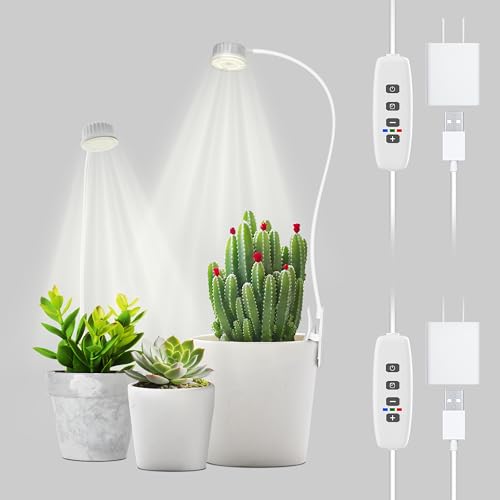
If you live in an area with long, dark winters or your home doesn't have sufficient natural light, consider using a grow light. Aloe vera responds well to full-spectrum LED grow lights. Place the light about 6–12 inches above the plant and keep it on for 12–14 hours a day. This mimics the natural sun and keeps your aloe happy year-round.
When using grow lights, watch for signs of sunburn (if the light is too close) or stretching (if it's too far). Adjust the distance and duration as needed.
Final Tips for Perfect Light Management
- Rotate your plant every time you water to ensure all sides receive equal light.
- Clean the leaves occasionally with a damp cloth to remove dust that blocks light absorption.
- Use a moisture meter to check soil moisture, as light intensity affects how quickly the soil dries out.
- Consider seasonal changes: in winter, your aloe may need a brighter spot due to lower sun intensity.
🌿 Remember: Aloe vera is a tough plant, but it thrives with balanced light. When you provide the right conditions, it will reward you with beautiful, healthy growth and a generous supply of soothing gel. By following this guide, you'll be well on your way to mastering aloe vera care.